
DOAC's
Uitgangsvraag
Wat is de aanbevolen strategie voor het gebruik van DOAC’s na een doorgemaakte acute gastro-intestinale bloeding?
Aanbeveling
Gebruik bij de beslissing om de DOAC’s te onderbreken, couperen en/of herstarten bij patiënten met acute gastro-intestinale bloedingen de richtlijn Antitrombotisch beleid.
Overwegingen
Balans tussen gewenste en ongewenste effecten
Een systematische review is uitgevoerd om het effect te vergelijken tussen het continueren en staken van direct werkende orale anticoagulantia (DOAC’s) bij patiënten met een (doorgemaakte) acute gastro-intestinale bloeding. Er is een meta-analyse gevonden die voldeed aan de selectiecriteria en includeerde vier retrospectieve cohortstudies. De cruciale uitkomstmaat ‘mortaliteit’ is gerapporteerd in één kleinschalig onderzoek. De bewijskracht hiervoor is zeer laag. Vier studies uit de meta-analyse rapporteerden de cruciale uitkomstmaat ‘re-bleeding’, twee studies de cruciale uitkomstmaat ‘trombo-embolische events’ en twee studies de belangrijke uitkomstmaat ‘opnameduur’. De bewijskracht voor deze uitkomstmaten is zeer laag. Er konden geen conclusies getrokken worden over het effect van het staken/continueren van DOAC’s op re-interventies, omdat deze uitkomstmaat niet is onderzocht in de geïncludeerde studies.
Kwaliteit van bewijs
De overall kwaliteit van bewijs is zeer laag. Dit betekent dat wij zeer onzeker zijn over het gevonden geschatte effect van de cruciale uitkomstmaten.
Er is afgewaardeerd vanwege ernstige:
- Risk of Bias: methodologische beperkingen van de geïncludeerde observationele studies.
- Indirectheid: indirectheid van het bewijs, door verschillen in interventie (verschillende DOAC’s en definities voor het staken/herstarten/continueren van DOACs).
- Imprecisie: onnauwkeurigheid vanwege het niet bereiken van de optimale steekproefgrootte, vanwege een zeer klein aantal events bij een kleine steekproefgrootte.
Waarden en voorkeuren van patiënten (en evt. hun verzorgers)
Voor patiënten is vooral belangrijk dat er een veilige balans wordt gevonden tussen het hervatten van antistollingsbehandeling en het voorkomen van nieuwe problemen. Zij willen dat het risico op een nieuwe gastro-intestinale bloeding zo klein mogelijk blijft, zonder dat daardoor het risico op ernstige trombo-embolische complicaties, zoals een beroerte, toeneemt. Daarbij is het voor patiënten essentieel dat duidelijk is wanneer het veilig is om DOAC’s weer te starten en dat deze beslissing wordt afgestemd op hun persoonlijke situatie. Goede uitleg over de voor- en nadelen helpt patiënten om samen met de zorgverlener een weloverwogen keuze te maken.
Kosten (middelenbeslag)
Kosten spelen geen rol in de afweging om antistolling al dan niet te staken c.q. te herstarten bij patiënten die antistolling gebruikten en een bloeding kregen. Hoogstens zou gekeken kunnen worden naar hogere kosten door langere opnameduur door recidief bloeding of bijvoorbeeld heropname ten gevolge van een trombo-embolisch event.
Aanvaardbaarheid, haalbaarheid en implementatie
Overwegingen omtrent aanvaarbaarheid, haalbaarheid, gelijkheid, duurzaamheid en implementatie spelen geen rol bij de huidige aanbeveling.
Rationale van aanbeveling: weging van argumenten voor en tegen de interventies
Bij een klinisch relevante bloeding adviseert de werkgroep, in overeenstemming met internationale richtlijnen (ESGE), om de DOAC te onderbreken. Couperen van de DOAC kan noodzakelijk zijn bij patiënten met een ernstige gastro-intestinale bloeding. Hiervoor verwijst de werkgroep naar de richtlijn Antitrombotisch beleid, module Bloeding of ingreep bij DOAC’s.
Het belangrijkste voordeel van het herstarten van de DOAC is een afname van het risico op een trombo-embolisch event. Het belangrijkste nadeel is een verhoging van het risico op een recidief bloeding. De onderzoeksresultaten beschreven in deze module komen overeen met die gevonden in de richtlijn ‘Antitrombotisch beleid’. Om een eenduidig advies en beleid te stimuleren verwijst de werkgroep voor de definitieve aanbeveling naar deze richtlijn. Zie de module Herstarten antistollingstherapie na bloeding.
Onderbouwing
Dutch and European guidelines recommend discontinuing DOAC therapy in patients who present with gastrointestinal bleeding. Treatment with DOACs is generally restarted as soon as clinically feasible. While interrupting anticoagulants may promote earlier haemostasis and reduce the risk of recurrent bleeding, it can also increase the risk of thromboembolic events. The question is in which patients DOACs could be safely discontinued, and when anticoagulation with DOACS should be restarted.
Summary of Findings
|
Outcome
|
Study results and measurements |
Absolute effect estimates |
Certainty of the evidence (Quality of evidence) |
Conlusions |
|
|
no DOACs |
DOACs |
||||
|
Mortality
|
Risk difference: 0.11 (95% CI: -0.10; 0.33) based on data from 55 participants in 1 study1 Follow-up: 12 months |
108 per 1000 |
222 per 1000 |
Very low Due to serious risk of bias, due to serious imprecision1 |
The evidence is very uncertain about the effect of DOAC continuation/ re-starting on the risk of mortality within 12 months after hospital discharge, compared with discontinuation of DOACs in patients with an acute gastro-intestinal bleeding. |
|
Difference: 114 more per 1000 (CI 95%: 45 fewer - 679 more) |
|||||
|
Gastro-intestinal re-bleeding
|
Risk ratio: 1.11 (CI 95% 0.78 - 1.57) Based on data from 1722 participants in 4 studies2 Follow up#: 90 days – 44 months |
68 per 1000 |
75 per 1000 |
Very low Due to serious risk of bias, due to serious imprecision, due to serious indirectness2 |
The evidence is very uncertain about the effect of DOAC continuation/ re-starting on the risk of gastro-intestinal re-bleeding, compared with discontinuation of DOACs in patients with an acute gastro-intestinal bleeding. |
|
Difference: 7 more per 1000 (CI 95%: 15 fewer - 39 more) |
|||||
|
Thromboembolic events (1)** |
Risk ratio: 0.98 (95% CI 0.37–2.21) Based on data from 1338 participants in 1 study3 Follow up: 90 days |
23 per 1000
|
23 per 1000
|
Very low Due to serious risk of bias3 |
The evidence is very uncertain about the effect of DOAC continuation (re-starting) on the risk of thromboembolic events**, compared with discontinuation (not restarting) of DOACs in patients with an acute gastro-intestinal bleeding. |
|
Difference: 0 fewer per 1000 (CI 95%: 14 fewer - 28 more)
|
|||||
|
Thromboembolic events (2)*** |
Risk difference:-0.35 (95% CI:-0.69, -0.01) Based on data from 53 participants in 1 study4 Follow-up: 10-44 months (median:28 months) |
375 per 1000 |
23 per 1000 |
Very low Due to serious risk of bias, due to serious imprecision4 |
The evidence is very uncertain about the effect of DOAC continuation (re-starting) on MACEE***, compared with discontinuation of DOACs in patients with an acute gastro-intestinal bleeding. |
|
Difference: 352 fewer per 1000 (CI 95%: 371 fewer - 187 fewer) |
|||||
|
Re-intervention rate |
- |
- |
- |
No conclusions could be drawn because of the absence of data. |
|
|
Length of hospital stay |
Median5 Based on data from 1393 participants in 2 studies5 Follow-up: 90 days to 44 months |
3 -5 days |
3 - 5.5 days |
Very low Due to serious risk of bias5 |
The evidence is very uncertain about the effect of DOAC continuation/ re-starting on the length of hospital stay, compared with discontinuation of DOACs in patients with an acute gastro-intestinal bleeding. |
1. Risk of Bias: serious. limitations of study design (observational retrospective study); Imprecision: serious: data from 1 study and/or low number of patients (Valanejad, 2020).
2. Risk of Bias: serious. limitations of study design (observational retrospective study); Imprecision: serious. wide confidence intervals. Indirectness: serious. different outcome defnitions, different DOACs and varying length of follow-up in the included studies. Systematic review with included studies: Valanejad 2020, Yanagisawa 2021, Sengupta 2018, Hernandez 2017. Baseline/comparator: Control arm of reference used for intervention.
3. Risk of Bias: serious. limitations of study design (observational retrospective study) (Sengupta, 2018).
4. Risk of Bias: serious. limitations of study design (observational retrospective study); Imprecision: serious. One study with a low number of patients (Yanagisawa, 2021).
5. Risk of Bias: serious. limitations of study design (observational retrospective study) (Sengupta, 2018; Valanejad, 2020).
# Range of follow-up in the included studies
**TE (Sengupta 2018): see outcome definitions under the tab Summary of literature/Results
***MACCE (Yanagisawa): see definitions under the tab Summary of literature/Results
Description of studies
One meta-analysis of four observational studies was included in the analysis of literature (Palinkas, 2023).
Palinkas (2023) performed a systematic review and meta-analysis of retrospective cohort studies (N=1722) evaluating (dis)continuation of DOACs after a gastro-intestinal (GI) bleeding. Five bibliographic databases were searched with relevant search terms on 20 October 2021; the search was repeated on 7 November 2022. An additional manual screening on the reference lists of the included articles was also performed.
The inclusion criteria of the meta-analysis were:
| P: | Patients hospitalized with GI bleeding while taking DOAC's |
| I: | Restarting (continuation) |
| C: | Withholding (discontinuation) of DOAC therapy after admission |
| O: | Mortality, rebleeding, and/or thromboembolic events (O) |
| S: | Study design: RCTs, cohort studies |
Palinkas (2023) found three studies through a systematic literature search (Sengupta, 2018; Valanejad, 2020; Yanagisawa, 2021). Two of these studies had also been identified by the systematic literature search for this guideline. Palinkas (2023) also found one study (Hernandez, 2017) through manual screening of the reference lists. Yanagisawa (2021) and Hernandez (2017) were requested to provide additional information on subgroup-analyses and outcomes of interest by the authors of the meta-analysis. Hernandez (2017) performed a study in DOAC- and warfarin-treated patients with different sites of a major bleeding. Yanagisawa (2021) also included DOAC-treated patients with various bleeding sites, besides gastrointestinal locations. Only data from a DOAC-related GI bleeding from these two studies were included in the meta-analysis by Palinkas (2023).
The definition of DOAC use varied across the included studies, depending on the source population (patient chart reviews or a medical claim database) and in terms of timing of continuation/ restarting of DOACs (7 days, 90 days, and during the follow-up time, within months).
Important study characteristics and results are summarized in Table 2. The assessment of risk of bias is summarized in the risk of bias table (under the tab ‘Evidence tabellen’).
Table 2. Characteristics of the included studies in the meta-analysis by Palinkas (2023)
|
Author, year |
Study design |
Participants |
Comparison |
Follow-up |
Outcome measures |
Risk of bias (per outcome measure)* |
|
Sengupta, 2018
|
retrospective cohort study in a medical claim database |
N at baseline Intervention: 586 Control: 752
Age (Median, IQR) Intervention: 78 (70–83) Control: 79 (71–84)
Sex, female (n,%) 687 (51)
Indication for anticoagulation: AF
DOACs: Apixaban (n = 51, 4%) Rivaroxaban (n = 608, 45%) Dabigatran (n = 679, 51%) Apixaban (n = 18, 31.6%)
Major GI bleeding (%): n.a. |
Intervention: continuation of DOACs (within: median 40 days (IQR: 17-88))
Control: discontinuation of DOACs
|
90 days and 6 months
|
mortality: n.a.
GI re-bleeding within 90 days after index discharge from the hospital, n (%) (re-admitted to the hospital within 90 days with a re-bleeding): Intervention: 21 of 586 (3.6) Control: 28 of 752 (3.7) RR 0.96 (95% CI: 0.55 – 1.68)
thromboembolic events within 90 days, (%) (re-admitted to the hospital within 90 days): Intervention: 16 of 586 (2.7) Control: 17 of 752 (2.2) RR 1.21 (95% CI 0.62, 2.37)
GI re-bleeding within 6 months after index discharge from the hospital, n (%): n.a. per group, total n=89 in both groups
thromboembolic events within 6 months after index discharge from the hospital, n (%): n.a. per group, total n=77 in both groups
re-intervention rate: n.a.
length of hospital stay (median, IQR), days: Intervention 3 (2 - 4) Control: 3 (2 - 5) |
High (all outcomes)
|
|
Valanejad, 2020 |
retrospective cohort study using electronic health records |
N at baseline Intervention: 18 Control: 37
Age (Median, IQR) Intervention: 75 (68–79) Control: 74.5 (71.3–82.5)
Sex, female (n, %): 31 (56)
Indication for anticoagulation: AF, DVT, PE
DOACs Rivaroxaban (n = 34, 59.6%) Dabigatran (n = 5, 8.8%) Apixaban (n = 11, 20.8%)
Major GI bleeding (n, %)a: 37 (67) |
Intervention: continuation of DOACs (within: ≥ 7 days from admission)
Control: Discontinuation/ re-starting of DOACs
(defined as DOAC not ordered on discharge, indefinitely discontinued, or resumed >7 days from the date of admission for the index GIB)
|
90 days and 12 months |
Mortality (within 12 months of discharge), n (%): Intervention: 4 of 18 (22.2) Control: 4 of 37 (10.8) RR 2.06 (95% CI: 0.58, 7.29) RD 0.11 (95% CI: -0.10; 0.33)
GI re-bleeding within 90 days, n (%): (re-admission with a re-bleeding within 90 days after index GIB) Intervention: 1 of 18 (5.6) Control: 1 of 37 (2.7) RR 2.06 (95% CI: 0.14 – 31.02) RD 0.03 (95% CI: -0.09, 0.15)
thromboembolic events: n.a.
re-intervention rate: n.a.
length of hospital stay (median, IQR), days: Intervention: 5.5 (4.0 - 8.3) Control: 5 (4 - 9) |
High (all outcomes) |
|
Yanagisawa, 2021 |
retrospective cohort study |
N at baseline Intervention: 45 Control: 8
Age (median) Intervention: 77 Control: 79.5
Sex, female (n, %) 23 (43.3)
Indication for anticoagulation: AF
DOACs: Rivaroxaban (n = 27, 50.9%) Dabigatran (n = 13, 24.5%) Edoxaban (n = 2, 3.8%)
Major GI bleeding (n, %)b: 26 (46) |
Intervention: Continuation of DOACs (within: during follow-up (90% in 14 days))
Control: discontinuation of DOACs
|
Median 28 months (IQR: 10-44)
|
Mortality: n.a.
GI re-bleeding, n (%)**: Intervention: 9 of 45 (20) Control: 0 of 8 (0) RR 3.72 (95% CI: 0.24 – 58.30)
thromboembolic events (MACCE)**: Intervention: 1 of 45 (2.2) Control: 3 of 8 (37.5) RR 0.06 (95% CI: 0.01, 0.50) RD -0.35 (95% CI:-0.69, -0.01)
re-intervention rate: n.a.
length of hospital stay: n.a. |
High (all outcomes)
|
|
Hernanadezc, 2017 |
cohort study using a database (5% random sample of Medicare beneficiaries from the Centers for Medicare and Medicaid Services) |
N at baseline Intervention: 92 Control: 184
Age (mean, SD) Intervention: 79.64 (8.67) Control: 81.9 (7.63)
Sex, female (n, %) 225 (67.3)
Indication for anticoagulation: AF
DOACs: Dabigatran (n=276)
Major GI bleeding (n, %)a: 276 (100) |
Intervention: Continuation of DOACs
Within: 3 months
Control: discontinuation of DOACs
|
12 months |
Mortality: n.a.
GI re-bleeding, n (%)**: Intervention: - Control: - RR 1.16 (95% CI: 0.73 - 1.84)
thromboembolic events: n.a.
re-intervention rate: n.a.
length of hospital stay: n.a.
|
High (GI re-bleeding) |
*For further details, see risk of bias table in the appendix
**Data not provided in the article, data as reported by Palinkas (2023).
AF, atrial fibrillation. DVT, deep venous thrombosis. DOACs, direct oral anticoagulants. GIB bleeding, gastro-intestinal bleeding. IQR, interquartile range. MACCE, major adverse cardiac and cerebrovascular events. PE, pulmonary embolism.
a using ISTH criteria (International Society on Thrombosis and Haemostasis)
b using BARC type 3 or more (Bleeding Academic Research)
c also included a group of patients taking warfarin
Results
Mortality (critical outcome)
Valanejad (2020) reported that 4 out of 18 (22.2%) patients who continued DOACs and 4 out of 37 (10.8%) patients who discontinued DOAC therapy died within 12 months of hospital discharge (risk difference (RD) 0.11 (95% CI: -0.10; 0.33).
GI re-bleeding (critical outcome)
Data from four studies reporting GI re-bleeding were pooled (Figure 1): 53 of 741 (7.15%) patients who continued/ restarted DOACs and 67 of 981 (6.82%) who discontinued DOACs had GI re-bleeding (RR = 1.11; 95% CI: 0.74 - 1.68; I2 = 0%).
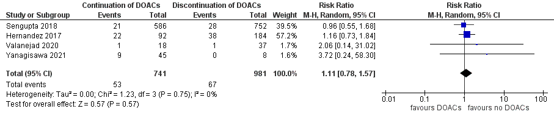
Figure 1. Meta-analysis for the outcome ‘GI re-bleeding’
Thromboembolic events (critical outcome)
Sengupta (2018) reported thromboembolic complications using data from 1338 patients.
The outcome was defined as a 90-day hospital readmission with thromboembolism (TE), which included venous and arterial TE, ischemic stroke, and transient ischemic attack.
TE occurred in 16 of 586 (2.73%) patients who continued DOACs and 17 of 752 (2.26%) patients who permanently discontinued DOACs (RR 1.21 (95% CI 0.62 - 2.37)).
Yanagisawa (2021) used major adverse cardiac and cerebrovascular events (MACCE) as a composite endpoint for thrombotic adverse events, including systemic thrombosis, myocardial infarction, and cardiac death. In this study, 1 of 45 patients who continued/restarted DOACs and 3 of 8 patients who did not resume DOACs had MACCE (RR 0.06 (95% CI: 0.01 - 0.50).
Re-intervention rate (critical outcome)
The outcome measure ‘re-intervention rate’ was not reported in any of the included studies.
Length of hospital stay (important outcome)
In the study by Sengupta (2018) the median length of hospital stay was 3 days (IQR 2-4) in patients who continued DOACs and 3 days in patients that discontinued DOACs (IQR 2–5) (p=0.001).
Valanejad (2020) found that the median length of hospital stay was 5.5 days (IQR 4-8.3) in patients continuing DOACs and 5 days (IQR 4-9) in patients who discontinued DOACs (p=0.24).
A systematic review of the literature was performed to answer the following question(s):
What are the favorable and unfavorable effects of the continuation of DOACs (rivaroxaban, dabigatran, apixaban, edoxaban) on mortality, re-bleeding, thrombo-embolic events, re-intervention rates and length of hospital stay in adult patients with an acute gastro-intestinal (GI) bleeding using DOACs, compared with the discontinuation of DOACs?
Table 1. PICO
| Patients | Adult patients with an acute gastro-intestinal (GI) bleeding using direct oral anticoagulants (DOACs) |
| Intervention | Continuation of DOACs |
| Control | Discontinuation of DOACs |
| Outcomes | Mortality (at 12 months), GI re-bleeding, thromboembolic events, re-intervention rate, length of hospital stay |
| Other selection criteria | Study design: systematic reviews, randomized controlled trials, comparative observational studies |
Relevant outcome measures
The guideline panel considered mortality rate, re-intervention rate , GI re-bleeding rate, and thromboembolic event rate as critical outcome measures for decision making; and length of hospital stay as an important outcome measure for decision making.
A priori, the guideline panel did not define the outcome measures listed above but used the definitions used in the studies.
The guideline panel defined following minimal clinically (patient) important difference.
- mortality rate (12 months): Risk Difference ≥ 5%;
- GI re-bleeding rate: Risk Difference ≥ 25%;
- thromboembolic events rate: 50% relative reduction (assuming a 1.2% rate of any thromboembolic event);
- re-intervention rate: Risk Difference ≥ 25%;
- (mean) length of hospital stay: MD ≥ 1 day.
Search and select (Methods)
A systematic literature search was performed by a medical information specialist using the following bibliographic databases: Embase.com and Ovid/Medline. Both databases were searched from the 1st of January 2004 to 24th of June 2024 for systematic reviews, RCTs and observational studies. Systematic searches were completed using a combination of controlled vocabulary/subject headings (e.g., Emtree-terms, MeSH) wherever they were available and natural language keywords. Duplicates were removed using EndNote software. After deduplication a total of 2049 records were imported for title/abstract screening. Initially, 7 studies were selected based on title and abstract screening. After reading the full text, 4 studies were excluded (see the table with exclusion reasons under the tab ‘Evidence tabellen’) and 1 study, a meta-analysis including 2 of the 7 studies assessed in full text, was included.
- Hernandez I, Zhang Y, Brooks MM, Chin PK, Saba S. Anticoagulation Use and Clinical Outcomes After Major Bleeding on Dabigatran or Warfarin in Atrial Fibrillation. Stroke. 2017 Jan;48(1):159-166. doi: 10.1161/STROKEAHA.116.015150. Epub 2016 Dec 1. PMID: 27909200; PMCID: PMC5183492.
- Pálinkás D, Teutsch B, Gagyi EB, Engh MA, Kalló P, Veres DS, Földvári-Nagy L, Hosszúfalusi N, Hegyi P, Erőss B. No Association between Gastrointestinal Rebleeding and DOAC Therapy Resumption: A Systematic Review and Meta-Analysis. Biomedicines. 2023 Feb 14;11(2):554. doi: 10.3390/biomedicines11020554. PMID: 36831090; PMCID: PMC9953612.
- Sengupta N, Marshall AL, Jones BA, Ham S, Tapper EB. Rebleeding vs Thromboembolism After Hospitalization for Gastrointestinal Bleeding in Patients on Direct Oral Anticoagulants. Clin Gastroenterol Hepatol. 2018 Dec;16(12):1893-1900.e2. doi: 10.1016/j.cgh.2018.05.005. Epub 2018 Jun 30. PMID: 29775794.
- Valanejad SM, Davis KA, Nisly SA. Outcomes Associated With Resuming Direct Oral Anticoagulant Therapy Following Admission for a Gastrointestinal Bleed. Ann Pharmacother. 2020 Oct;54(10):975-980. doi: 10.1177/1060028020912429. Epub 2020 Mar 6. PMID: 32141301.
- Yanagisawa D, Abe K, Amano H, Komatsuda S, Honda T, Manabe D, Yamamoto H, Kozuma K, Kodashima S, Asaoka Y, Yamamoto T, Tanaka A. Thrombotic events and rebleeding after hemorrhage in patients taking direct oral anticoagulants for non-valvular atrial fibrillation. PLoS One. 2021 Nov 29;16(11):e0260585. doi: 10.1371/journal.pone.0260585. PMID: 34843582; PMCID: PMC8629319.
Risk of bias tables
Risk of bias table for interventions studies (cohort studies based on risk of bias tool by the CLARITY Group at McMaster University)
|
Author, year |
Selection of participants
Was selection of exposed and non-exposed cohorts drawn from the same population?
|
Exposure
Can we be confident in the assessment of exposure?
|
Outcome of interest
Can we be confident that the outcome of interest was not present at start of study?
|
Confounding-assessment
Can we be confident in the assessment of confounding factors?
|
Confounding-analysis
Did the study match exposed and unexposed for all variables that are associated with the outcome of interest or did the statistical analysis adjust for these confounding variables?
|
Assessment of outcome
Can we be confident in the assessment of outcome?
|
Follow up
Was the follow up of cohorts adequate? In particular, was outcome data complete or imputed?
|
Co-interventions
Were co-interventions similar between groups?
|
Overall Risk of bias
|
|
Definitely yes, probably yes, probably no, definitely no |
Definitely yes, probably yes, probably no, definitely no |
Definitely yes, probably yes, probably no, definitely no |
Definitely yes, probably yes, probably no, definitely no |
Definitely yes, probably yes, probably no, definitely no |
Definitely yes, probably yes, probably no, definitely no |
Definitely yes, probably yes, probably no, definitely no |
Definitely yes, probably yes, probably no, definitely no |
Low, Some concerns, High |
|
|
Sengupta 2018 |
Definitely yes
Reason: Participants were selected from a daase of medical claims
|
Definitely yes
Reason: filling in a medical claim for DOACs registered in the database
|
Probably yes
Reason: the outcomes were assessed after prescription of DOACs, but unclear if it was the first presecription (could be registered in another database) |
Definitely no
Reason: ICD-9 codes and prescription claims from a database were used
|
Definitely no
Reason: only univariate analysis was performed
|
Probably yes
Reason: record linkagewith medical claims using ICD-9 codes
|
Probably yes
Reason: for outcomes re-bleeding and thromboembolic events it was probably enough
|
Probably yes
Reason: co-medication seems similar between groups
|
High (all outcomes)
|
|
Valanejad 2020 |
Definitely yes
Reason: participants were selected from a registry of electronic health records |
Definitely yes
Reason: documented DOAC prescription
|
Probably yes
Reason: outcomes confirmed in the medical records using a data collection form
|
Definitely no
Reason: not adjusted for potential confounders
|
Definitely no
Reason: Participants were not matched |
Definitely yes
Reason: linkage with medical records
|
Probably yes
Reason: it is probably enough
|
Definitely yes / Probably yes /
Reason: the co-morbidities and comedications seem similar between groups
|
High (all outcomes)
|
|
Yanagisawa 2021* |
Definitely yes
Reason: data derived from medical records
|
Definitely yes
Reason: prescription lists for DOACs
|
Definitely yes
Reason: outcomes confirmed in the medical records |
Definitely no
Reason: not adjusted for potential confounders
|
Definitely no
Reason: Participants were not matched
|
Definitely yes
Reason: linked with medical records
|
Probably yes
Reason: it is probably enough
|
Probably no
Reason*: groups of patients who stopped and continued DOACs were not predefined, data provided later for the meta-analysis of Palinkas (2023) |
High (all outcomes)
|
|
Hernandez 2017* |
Definitely yes
Reason: data from a random sample of Medicare beneficiaries from the Centers for Medicare and Medicaid Services |
Definitely yes
Reason: filled prescription for DOACs
|
Definitely yes
Reason: ICD-9 codes used
|
Probably yes
Reason*: Adjusted in main analyses, but unclear how this was done for data used for this module
|
Probably yes
Reason: frequency matching was performed
|
Probably yes
Reason: through ICD-9 codes
|
Probably yes
Reason: length of follow-up is probably enough
|
Probably no
Reason*: groups of patients who stopped and continued DOACs were not predefined, data provided later for the meta-analysis of Palinkas (2023)
|
High (all outcomes)
|
*Yanagisawa 2021 and Hernandez 2017: the groups were not pre-defined in the original study, data obtained later for meta-analysis by Palinkas 2023
Table of excluded studies
|
Reference |
Reason for exclusion |
|
Candeloro, Matteo and van Es, Nick and Cantor, Nathan and Schulman, Sam and Carrier, Marc and Ageno, Walter and Aibar, Jesus and Donadini, Marco Paolo and Bavalia, Roisin and Arsenault, Marie-Pier and Coppens, Michiel and Ferrante, Noemi and D'Addezio, Andrea and Sormani, Stefano and Porreca, Ettore and Di Nisio, Marcello Recurrent bleeding and thrombotic events after resumption of oral anticoagulants following gastrointestinal bleeding: Communication from the ISTH SSC Subcommittee on Control of Anticoagulation. Journal of thrombosis and haemostasis : JTH. 2021; 19 (10) :2618-2628 |
Wrong intervention (>50% taking vitamin K antagonists, VKA)
|
|
Feldeisen, T. and Alexandris-Souphis, C. and Haymart, B. and Kong, X. and Kline-Rogers, E. and Handoo, F. and Scott, K. and Ali, M. and Kozlowski, J. and Shah, V. and Krol, G. and Froehlich, J. B. and Barnes, G. D. Anticoagulation Changes Following Major and Clinically Relevant Nonmajor Bleeding Events in Non-valvular Atrial Fibrillation Patients. Journal of Pharmacy Practice. 2023; 36 (3) :542-547 |
Wrong population (not all patients had a GI bleeding) |
|
Little, Derek H. W. and Sutradhar, Rinku and Cerasuolo, Joshua O. and Perez, Richard and Douketis, James and Holbrook, Anne and Paterson, J. Michael and Gomes, Tara and Siegal, Deborah M. Rates of rebleeding, thrombosis and mortality associated with resumption of anticoagulant therapy after anticoagulant-related bleeding. CMAJ : Canadian Medical Association journal = journal de l'Association medicale canadienne. 2021; 193 (9) :E304-E309 |
Wong population (not all patients with a GI bleed); wrong intervention (included pateints taking VKA)
|
|
Siau, K. and Hannah, J. L. and Hodson, J. and Widlak, M. and Bhala, N. and Iqbal, T. H. Stopping antithrombotic therapy after acute upper gastrointestinal bleeding is associated with reduced survival. Postgraduate Medical Journal. 2018; 94 (1109) :137-142 |
Wrong intervention (any antiplatelet agent (including aspirin, thienopyridines—clopidogrel, prasugrel, ticagrelor) or anticoagulant (VKA, DOAC, heparin) |
Beoordelingsdatum en geldigheid
Publicatiedatum : 24-08-2026
Beoordeeld op geldigheid : 24-08-2026
Algemene gegevens
De ontwikkeling/herziening van deze richtlijnmodule werd ondersteund door het Kennisinstituut van de Federatie Medisch Specialisten (www.demedischspecialist.nl/kennisinstituut) en werd gefinancierd door de Stichting Kwaliteitsgelden Medisch Specialisten (SKMS). De financier heeft geen enkele invloed gehad op de inhoud van de richtlijnmodule.
Samenstelling werkgroep
Voor het ontwikkelen van de richtlijnmodule is in 2023 een multidisciplinaire werkgroep ingesteld, bestaande uit vertegenwoordigers van relevante specialismen (zie hiervoor de Samenstelling van de werkgroep) die betrokken zijn bij de zorg voor patiënten met (acute) tractus digestivus bloedingen.
Werkgroep
- Dr. I.L. (Lisanne) Holster (voorzitter), MDL-arts, Maasstad Ziekenhuis (NVMDL)
- Dr. E.T.T.L. (Eric) Tjwa, MDL-arts, Radboud UMC (NVMDL)
- Dr. L.G. (Lisette) Capelle, MDL-arts, Meander Medisch Centrum Amersfoort (NVMDL)
- Dr. N.L. (Nicolette) de Groot, MDL-arts, Rode Kruis Ziekenhuis Beverwijk (NVMDL)
- Dr. J.F. (Jilling) Bergmann, MDL-arts, HagaZiekenhuis (NVMDL)
- Dr. J.J. (Jurjen) Boonstra, MDL-arts, Leids Universitair Medisch Centrum (NVMDL)
- Dr. C.M.J. (Lia) Goltstein, AIOS MDL-ziekten, Jeroen Bosch ziekenhuis (NVMDL)
- Drs. T.E.A. (Tychon) Geeraedts, Radboud UMC (NVvR)
Klankbordgroep
- Dr. K.H. (Klaas) de Groot, internist-intensivist, Franciscus en Vlietland te Rotterdam en Schiedam (NVIC)
- Drs. K.S. (Kay) van Wonderen, SEH-arts, Treant (NVSHA)
- Dr. C. (Charlotte) van Noord, internist, Maasstad Ziekenhuis (NIV)
Met ondersteuning van
- Dr. E. V. (Ekaterina) Baranova-van Dorp, adviseur, Kennisinstituut van de Federatie Medisch Specialisten
- Dr. N. (Nikita) van der Zwaluw, senior adviseur, Kennisinstituut van de Federatie Medisch Specialisten (tot 22-09-2025)
- E. (Esther) van der Bijl, medisch informatiespecialist, Kennisinstituut van de Federatie Medisch Specialisten
Belangenverklaringen
Een overzicht van de belangen van werkgroepleden en het oordeel over het omgaan met eventuele belangen vindt u in onderstaande tabel. De ondertekende belangenverklaringen zijn op te vragen bij het secretariaat van het Kennisinstituut van de Federatie Medisch Specialisten via secretariaat@kennisinstituut.nl.
Gemelde (neven)functies en belangen werkgroepleden
|
Naam |
Hoofdfunctie |
Nevenwerkzaamheden |
Persoonlijke Financiële belangen |
Persoonlijke Relaties |
Extern gefinancierd onderzoek |
Intell, belangen en reputaties |
Overige belangen |
Actie |
|
Eric Tjwa |
MDL-arts Radboudumc 0.9 fte |
Geen |
Geen |
Geen |
Geen |
Geen |
Geen |
geen restrictie |
|
Jilling Bergmann |
MDL-arts in Haga Ziekenhuis Den Haag |
MDL-arts DC Klinieken Lairesse |
Geen |
Geen |
Geen |
Geen |
Geen |
geen restrictie |
|
Jurjen Boonstra |
Maag-, Darm-, Leverarts Leids Universitair Medisch Centrum (LUMC)
1.0 fte |
Redactieraad Nederlands tijdschrift voor Oncologie |
Geen |
Neen |
1. TRIASSIC studie (gerandomiseerde studie ESD vs TAMIS rectum laesies >2cm) - darmkanker- gesponsord door ZonMW, geen projectleider* 2. RUBATO trial (studie naar patient preferentie follow-up na T1 CRC), vragenlijst onderzoek onder patienten en dokters, na darmkanker, gesponsord door ZonMW, geen projectleider**
* ZonMw - 'A multicentre, randomised controlled trial comparing Transanal minimal invAsive Suergery (TAMIS) and and endoscopic Submucosal dIsseCtion (ESD) for resection of non-pedunculated rectal lesions.'- Geen projectleider ** ZonMw - 'ExploRing preferences and attitUdes of Both patients And doctors TOwards surveillance after local resection of T1 colorectal cancer: the RUBATO-study' - Geen Projectleider |
Geen |
Geen |
geen restrictie |
|
Lia Goltstein |
AIOS Maag-, Darm- en Leverziekten (betaald) - Radboudumc AIOS Interne geneeskunde, vooropleiding MDL (betaald) - Jeroen Bosch ziekenhuis |
Arts-onderzoeker Evidence based management of Gastrointestinal angiodysplasias (onbetaald) - Radboudumc |
Geen persoonlijke financiële belangen. |
Geen persoonlijke relaties die baat kunnen hebben bij een bepaalde uitkomst van het advies. |
De SAIPAN studie* (binnen mijn promotietraject; Clinicaltrials. Gov ID: NCT02874326) - werd gesponsord door ZonMw - Geen projectleider
* 'Effectiveness of Somatostatin Analogues in Patients with hereditary hemorrhagic telangiectasia and symptomatic gastrointestinal bleeding, the SAIPAN-trial: a multicenter, randomized, open-label, parallel-group, superiority trial' |
Geen intellectuele belangen of reputatie die baat hebben/heeft bij een bepaalde uitkomst. |
Niet van toepassing |
geen restrictie |
|
Lisanne Holster (vz.) |
NVMDL MDL-arts in het Maasstad ziekenhuis |
Geen |
Geen |
Geen |
Geen |
Geen |
Geen |
geen restrictie |
|
Lisette Capelle |
MDL-arts in Meander Medisch centrum |
Geen |
Geen |
Geen |
Geen |
Geen |
Geen |
geen restrictie |
|
Nicolette de Groot |
MDL-arts zelfstandig werkzaam in RKZ Beverwijk |
Geen |
Geen |
Nee |
Nee |
Niet van toepassing |
Niet van toepassing |
geen restrictie |
|
Tychon Geeraedts |
Interventieradioloog bij Radboud UMC |
Geen |
Geen |
Geen |
Geen |
Geen |
Geen |
geen restrictie |
Gemelde (neven)functies en belangen klankbordgroepleden
|
Naam |
Hoofdfunctie |
Nevenwerkzaamheden |
Persoonlijke Financiële belangen |
Persoonlijke Relaties |
Extern gefinancierd onderzoek |
Intell, belangen en reputaties |
Overige belangen |
Actie |
|
Charlotte van Noord |
Internist-acute geneeskunde Maasstad Ziekenhuis |
sinds 30 oktober 2025 geen voorzitter meer |
Geen |
Niet van toepassing |
Niet van toepassing |
Niet van toepassing |
Niet van toepassing |
geen restrictie |
|
Kay van Wonderen |
SEH-arts, Treant |
Penningmeester NVSHA Vacatiegelden |
Geen |
Geen |
Geen |
Geen |
Geen |
geen restrictie |
|
Klaas de Groot |
Internist-intensivist, Franciscus en Vlietland te Rotterdam en Schiedam |
Commissie Richtlijnontwikkeling NVIC, onbetaald FMS - kennisinstituut, clusterstuurgroep IC, onbetaald |
Geen financieel belang |
Geen |
REMAP-CAP - ZonMw - Pneumonie behandeling - Geen projectleider - REMAP-CAP (tot januari 2025 locale hoofdonderzoeker) |
Geen |
Geen |
geen restrictie |
Inbreng patiëntenperspectief
Inbreng patiëntenperspectief
De werkgroep besteedde aandacht aan het patiëntenperspectief door het uitnodigen van Patiëntenfederatie Nederland voor de schriftelijke knelpunteninventarisatie. Het verslag hiervan is besproken in de werkgroep. De conceptrichtlijn is tevens ter commentaar voorgelegd aan Patiëntenfederatie Nederland. De paragraaf ‘waarden en voorkeuren van patiënten’ binnen de overwegingen is door Patiëntenfederatie Nederland opgesteld.
Kwalitatieve raming van mogelijke financiële gevolgen in het kader van de Wkkgz
Bij de richtlijnmodule voerde de werkgroep conform de Wet kwaliteit, klachten en geschillen zorg (Wkkgz) een kwalitatieve raming uit om te beoordelen of de aanbevelingen mogelijk leiden tot substantiële financiële gevolgen. Bij het uitvoeren van deze beoordeling is de richtlijnmodule op verschillende domeinen getoetst (zie het stroomschema bij Werkwijze).
|
Module |
Uitkomst raming |
Toelichting |
|
Module Eerste opvang (pre-endoscopische behandeling) |
||
|
Submodule DOAC's |
geen financiële gevolgen |
Hoewel uit de toetsing volgt dat de aanbeveling(en) breed toepasbaar zijn (5.000-40.000 patiënten), volgt ook uit de toetsing dat het geen nieuwe manier van zorgverlening of andere organisatie van zorgverlening betreft. Er worden daarom geen substantiële financiële gevolgen verwacht. |
Werkwijze
Voor meer details over de gebruikte richtlijnmethodologie verwijzen wij u naar de Werkwijze. Relevante informatie voor de ontwikkeling/herziening van deze richtlijnmodule is hieronder weergegeven.
Zoekverantwoording
Zoekstrategie - 24 juni 2024
Embase.com
|
No. |
Query |
Results |
|
#1 |
'gastrointestinal hemorrhage'/exp OR 'upper gastrointestinal bleeding'/exp OR 'lower gastrointestinal bleeding'/exp OR 'rectum hemorrhage'/exp OR 'peptic ulcer bleeding'/exp OR 'peptic ulcer'/exp OR (((gastrointestinal OR 'gastro intestinal' OR gi OR digestive OR 'peptic ulcer' OR colon OR duodenum OR duodenal OR gastro‐duodenal OR gastroduodenal OR stomach OR gastri* OR epigastri* OR oeso?ag* OR esp?ag* OR rectum OR rectal OR rectocolic) NEAR/3 (bleeding* OR haemorrhag* OR hemorrhag* OR blood* OR 're‐bleed*' OR rebleed*)):ti,ab,kw) OR lgib:ti,ab,kw OR proctorrhag*:ti,ab,kw OR rectorrhag*:ti,ab,kw OR ugib:ti,ab,kw OR ulcer*:ti,ab,kw OR ulcus*:ti,ab,kw |
563592 |
|
#2 |
'thrombosis prevention'/exp OR 'anticoagulant agent'/exp OR 'anticoagulation'/exp OR 'anticoagulant therapy'/exp OR thromboprophyla*:ti,ab,kw OR ((thrombo* NEAR/3 (prophylaxis OR prophylactic OR prevention)):ti,ab,kw) OR 'anti coagulant*':ti,ab,kw OR 'anticoagulant*':ti,ab,kw OR 'anticoagulat*':ti,ab,kw OR 'anti coagulat*':ti,ab,kw OR 'antithrombotic*':ti,ab,kw OR 'anti thrombotic*':ti,ab,kw OR 'antithrombocytic*':ti,ab,kw OR 'anti thrombocytic*':ti,ab,kw OR 'antiplatelet agent*':ti,ab,kw OR 'antiplatelet drug*':ti,ab,kw OR 'platelet aggregation inhibitor*':ti,ab,kw OR 'platelet inhibitor*':ti,ab,kw OR 'platelet antagonist*':ti,ab,kw OR 'thrombocyte aggregation inhibiting agent*':ti,ab,kw OR 'thrombocyte aggregation inhibitor*':ti,ab,kw OR 'direct oral anticoagulant agent'/exp OR 'direct oral anticoagulant'/exp OR doac*:ti,ab,kw OR 'rivaroxaban'/exp OR 'assubex':ti,ab,kw OR 'kriva':ti,ab,kw OR 'naxat':ti,ab,kw OR 'rivaro':ti,ab,kw OR 'rivarolto':ti,ab,kw OR 'rivaroxaban':ti,ab,kw OR 'rivaxa':ti,ab,kw OR 'throsaben':ti,ab,kw OR 'xanirva':ti,ab,kw OR 'xarelto':ti,ab,kw OR 'xerdoxo':ti,ab,kw OR 'xindus':ti,ab,kw OR 'dabigatran'/exp OR 'dabigatran':ti,ab,kw OR 'dabigatran etexilate'/exp OR 'abagat':ti,ab,kw OR 'abidoax':ti,ab,kw OR 'dabicat':ti,ab,kw OR 'dabikaste':ti,ab,kw OR 'dabiperel':ti,ab,kw OR 'dabitex':ti,ab,kw OR 'daxirem':ti,ab,kw OR 'pradax':ti,ab,kw OR 'pradaxa':ti,ab,kw OR 'pradaxar':ti,ab,kw OR 'prazaxa':ti,ab,kw OR 'rendix':ti,ab,kw OR 'telexer':ti,ab,kw OR 'tranigan':ti,ab,kw OR 'wasedoc':ti,ab,kw OR 'apixaban'/exp OR 'aboxoma':ti,ab,kw OR 'apixaban':ti,ab,kw OR 'apixaben':ti,ab,kw OR 'eliques':ti,ab,kw OR 'eliquis':ti,ab,kw OR 'lunast':ti,ab,kw OR 'edoxaban'/exp OR 'edoxaban':ti,ab,kw OR 'endoxaban':ti,ab,kw OR 'lixiana':ti,ab,kw OR 'roteas':ti,ab,kw OR 'savaysa':ti,ab,kw OR 'non vitamin k antagonist oral anticoagulant'/exp OR 'non-vitamin k':ti,ab,kw |
937931 |
|
#3 |
discontinu*:ti,ab,kw OR continu*:ti,ab,kw OR suspend*:ti,ab,kw OR 'taper* off':ti,ab,kw OR 'break* off':ti,ab,kw OR withhold*:ti,ab,kw OR resum*:ti,ab,kw OR restart*:ti,ab,kw OR recommenc*:ti,ab,kw OR reinitiat*:ti,ab,kw |
2179714 |
|
#4 |
#1 AND #2 AND #3 |
6126 |
|
#5 |
#4 AND [2000-2024]/py NOT ('conference abstract'/it OR 'editorial'/it OR 'letter'/it OR 'note'/it) NOT (('animal'/exp OR 'animal experiment'/exp OR 'animal model'/exp OR 'nonhuman'/exp) NOT 'human'/exp) |
2938 |
|
#6 |
'meta analysis'/exp OR 'meta analysis (topic)'/exp OR metaanaly*:ti,ab OR 'meta analy*':ti,ab OR metanaly*:ti,ab OR 'systematic review'/de OR 'cochrane database of systematic reviews'/jt OR prisma:ti,ab OR prospero:ti,ab OR (((systemati* OR scoping OR umbrella OR 'structured literature') NEAR/3 (review* OR overview*)):ti,ab) OR ((systemic* NEAR/1 review*):ti,ab) OR (((systemati* OR literature OR database* OR 'data base*') NEAR/10 search*):ti,ab) OR (((structured OR comprehensive* OR systemic*) NEAR/3 search*):ti,ab) OR (((literature NEAR/3 review*):ti,ab) AND (search*:ti,ab OR database*:ti,ab OR 'data base*':ti,ab)) OR (('data extraction':ti,ab OR 'data source*':ti,ab) AND 'study selection':ti,ab) OR ('search strategy':ti,ab AND 'selection criteria':ti,ab) OR ('data source*':ti,ab AND 'data synthesis':ti,ab) OR medline:ab OR pubmed:ab OR embase:ab OR cochrane:ab OR (((critical OR rapid) NEAR/2 (review* OR overview* OR synthes*)):ti) OR ((((critical* OR rapid*) NEAR/3 (review* OR overview* OR synthes*)):ab) AND (search*:ab OR database*:ab OR 'data base*':ab)) OR metasynthes*:ti,ab OR 'meta synthes*':ti,ab |
1039560 |
|
#7 |
'clinical trial'/exp OR 'randomization'/exp OR 'single blind procedure'/exp OR 'double blind procedure'/exp OR 'crossover procedure'/exp OR 'placebo'/exp OR 'prospective study'/exp OR rct:ab,ti OR random*:ab,ti OR 'single blind':ab,ti OR 'randomised controlled trial':ab,ti OR 'randomized controlled trial'/exp OR placebo*:ab,ti |
4056716 |
|
#8 |
'major clinical study'/de OR 'clinical study'/de OR 'case control study'/de OR 'family study'/de OR 'longitudinal study'/de OR 'retrospective study'/de OR 'prospective study'/de OR 'comparative study'/de OR 'cohort analysis'/de OR ((cohort NEAR/1 (study OR studies)):ab,ti) OR (('case control' NEAR/1 (study OR studies)):ab,ti) OR (('follow up' NEAR/1 (study OR studies)):ab,ti) OR (observational NEAR/1 (study OR studies)) OR ((epidemiologic NEAR/1 (study OR studies)):ab,ti) OR (('cross sectional' NEAR/1 (study OR studies)):ab,ti) |
8288309 |
|
#9 |
'case control study'/de OR 'comparative study'/exp OR 'control group'/de OR 'controlled study'/de OR 'controlled clinical trial'/de OR 'crossover procedure'/de OR 'double blind procedure'/de OR 'phase 2 clinical trial'/de OR 'phase 3 clinical trial'/de OR 'phase 4 clinical trial'/de OR 'pretest posttest design'/de OR 'pretest posttest control group design'/de OR 'quasi experimental study'/de OR 'single blind procedure'/de OR 'triple blind procedure'/de OR (((control OR controlled) NEAR/6 trial):ti,ab,kw) OR (((control OR controlled) NEAR/6 (study OR studies)):ti,ab,kw) OR (((control OR controlled) NEAR/1 active):ti,ab,kw) OR 'open label*':ti,ab,kw OR (((double OR two OR three OR multi OR trial) NEAR/1 (arm OR arms)):ti,ab,kw) OR ((allocat* NEAR/10 (arm OR arms)):ti,ab,kw) OR placebo*:ti,ab,kw OR 'sham-control*':ti,ab,kw OR (((single OR double OR triple OR assessor) NEAR/1 (blind* OR masked)):ti,ab,kw) OR nonrandom*:ti,ab,kw OR 'non-random*':ti,ab,kw OR 'quasi-experiment*':ti,ab,kw OR crossover:ti,ab,kw OR 'cross over':ti,ab,kw OR 'parallel group*':ti,ab,kw OR 'factorial trial':ti,ab,kw OR ((phase NEAR/5 (study OR trial)):ti,ab,kw) OR ((case* NEAR/6 (matched OR control*)):ti,ab,kw) OR ((match* NEAR/6 (pair OR pairs OR cohort* OR control* OR group* OR healthy OR age OR sex OR gender OR patient* OR subject* OR participant*)):ti,ab,kw) OR ((propensity NEAR/6 (scor* OR match*)):ti,ab,kw) OR versus:ti OR vs:ti OR compar*:ti OR ((compar* NEAR/1 study):ti,ab,kw) OR (('major clinical study'/de OR 'clinical study'/de OR 'cohort analysis'/de OR 'observational study'/de OR 'cross-sectional study'/de OR 'multicenter study'/de OR 'correlational study'/de OR 'follow up'/de OR cohort*:ti,ab,kw OR 'follow up':ti,ab,kw OR followup:ti,ab,kw OR longitudinal*:ti,ab,kw OR prospective*:ti,ab,kw OR retrospective*:ti,ab,kw OR observational*:ti,ab,kw OR 'cross sectional*':ti,ab,kw OR cross?ectional*:ti,ab,kw OR multicent*:ti,ab,kw OR 'multi-cent*':ti,ab,kw OR consecutive*:ti,ab,kw) AND (group:ti,ab,kw OR groups:ti,ab,kw OR subgroup*:ti,ab,kw OR versus:ti,ab,kw OR vs:ti,ab,kw OR compar*:ti,ab,kw OR 'odds ratio*':ab OR 'relative odds':ab OR 'risk ratio*':ab OR 'relative risk*':ab OR 'rate ratio':ab OR aor:ab OR arr:ab OR rrr:ab OR ((('or' OR 'rr') NEAR/6 ci):ab))) |
15188385 |
|
#10 |
#5 AND #6 – SR’s |
264 |
|
#11 |
#5 AND #7 NOT #10 – RCT’s |
808 |
|
#12 |
#5 AND (#8 OR #9) NOT (#10 OR #11) – Observationele studies |
879 |
|
#13 |
#10 OR #11 OR #12 |
1951 |
Ovid/Medline
|
# |
Searches |
Results |
|
1 |
exp Gastrointestinal Hemorrhage/ or exp Peptic Ulcer Hemorrhage/ or exp Peptic Ulcer/ or ((gastrointestinal or gastro intestinal or gi or digestive or peptic ulcer or colon or duodenum or duodenal or gastro duodenal or gastroduodenal or stomach or gastri* or epigastri* or oesophag* or esophag* or rectum or rectal or rectocolic) adj3 (bleeding* or haemorrhag* or hemorrhag* or blood* or re bleed* or rebleed*)).ti,ab,kf. or lgib.ti,ab,kf. or proctorrhag*.ti,ab,kf. or rectorrhag*.ti,ab,kf. or ugib.ti,ab,kf. or ulcer*.ti,ab,kf. or ulcus*.ti,ab,kf. |
342998 |
|
2 |
exp Anticoagulants/ or exp Platelet Aggregation Inhibitors/ or thromboprophyla*.ti,ab,kf. or (thrombo* adj3 (prophylaxis or prophylactic or prevention)).ti,ab,kf. or (anti coagulant* or anticoagulant* or anticoagulat* or anti coagulat* or antithrombotic* or anti thrombotic* or antithrombocytic* or anti thrombocytic* or 'antiplatelet agent*' or 'antiplatelet drug*' or 'platelet aggregation inhibitor*' or 'platelet inhibitor*' or platelet antagonist* or 'thrombocyte aggregation inhibiting agent*' or 'thrombocyte aggregation inhibitor*' or doac*).ti,ab,kf. or exp Rivaroxaban/ or exp Dabigatran/ or assubex.ti,ab,kf. or kriva.ti,ab,kf. or naxat.ti,ab,kf. or rivaro.ti,ab,kf. or rivarolto.ti,ab,kf. or rivaroxaban.ti,ab,kf. or rivaxa.ti,ab,kf. or throsaben.ti,ab,kf. or xanirva.ti,ab,kf. or xarelto.ti,ab,kf. or xerdoxo.ti,ab,kf. or xindus.ti,ab,kf. or dabigatran.ti,ab,kf. or abagat.ti,ab,kf. or abidoax.ti,ab,kf. or dabicat.ti,ab,kf. or dabikaste.ti,ab,kf. or dabiperel.ti,ab,kf. or dabitex.ti,ab,kf. or daxirem.ti,ab,kf. or pradax.ti,ab,kf. or pradaxa.ti,ab,kf. or pradaxar.ti,ab,kf. or prazaxa.ti,ab,kf. or rendix.ti,ab,kf. or telexer.ti,ab,kf. or tranigan.ti,ab,kf. or wasedoc.ti,ab,kf. or aboxoma.ti,ab,kf. or apixaban.ti,ab,kf. or apixaben.ti,ab,kf. or eliques.ti,ab,kf. or eliquis.ti,ab,kf. or lunast.ti,ab,kf. or edoxaban.ti,ab,kf. or endoxaban.ti,ab,kf. or lixiana.ti,ab,kf. or roteas.ti,ab,kf. or savaysa.ti,ab,kf. or non-vitamin k.ti,ab,kf. |
444576 |
|
3 |
(discontinu* or continu* or suspend* or 'taper* off' or 'break* off' or withhold* or resum* or restart* or recommenc* or reinitiat*).ti,ab,kf. |
1559945 |
|
4 |
1 and 2 and 3 |
1289 |
|
5 |
limit 4 to yr="2000 -Current" |
1095 |
|
6 |
5 not (comment/ or editorial/ or letter/) not ((exp animals/ or exp models, animal/) not humans/) |
1028 |
|
7 |
meta-analysis/ or meta-analysis as topic/ or (metaanaly* or meta-analy* or metanaly*).ti,ab,kf. or systematic review/ or cochrane.jw. or (prisma or prospero).ti,ab,kf. or ((systemati* or scoping or umbrella or "structured literature") adj3 (review* or overview*)).ti,ab,kf. or (systemic* adj1 review*).ti,ab,kf. or ((systemati* or literature or database* or data-base*) adj10 search*).ti,ab,kf. or ((structured or comprehensive* or systemic*) adj3 search*).ti,ab,kf. or ((literature adj3 review*) and (search* or database* or data-base*)).ti,ab,kf. or (("data extraction" or "data source*") and "study selection").ti,ab,kf. or ("search strategy" and "selection criteria").ti,ab,kf. or ("data source*" and "data synthesis").ti,ab,kf. or (medline or pubmed or embase or cochrane).ab. or ((critical or rapid) adj2 (review* or overview* or synthes*)).ti. or (((critical* or rapid*) adj3 (review* or overview* or synthes*)) and (search* or database* or data-base*)).ab. or (metasynthes* or meta-synthes*).ti,ab,kf. |
754524 |
|
8 |
exp clinical trial/ or randomized controlled trial/ or exp clinical trials as topic/ or randomized controlled trials as topic/ or Random Allocation/ or Double-Blind Method/ or Single-Blind Method/ or (clinical trial, phase i or clinical trial, phase ii or clinical trial, phase iii or clinical trial, phase iv or controlled clinical trial or randomized controlled trial or multicenter study or clinical trial).pt. or random*.ti,ab. or (clinic* adj trial*).tw. or ((singl* or doubl* or treb* or tripl*) adj (blind$3 or mask$3)).tw. or Placebos/ or placebo*.tw. |
2741694 |
|
9 |
Epidemiologic studies/ or case control studies/ or exp cohort studies/ or Controlled Before-After Studies/ or Case control.tw. or cohort.tw. or Cohort analy$.tw. or (Follow up adj (study or studies)).tw. or (observational adj (study or studies)).tw. or Longitudinal.tw. or Retrospective*.tw. or prospective*.tw. or consecutive*.tw. or Cross sectional.tw. or Cross-sectional studies/ or historically controlled study/ or interrupted time series analysis/ [Onder exp cohort studies vallen ook longitudinale, prospectieve en retrospectieve studies] |
4757294 |
|
10 |
Case-control Studies/ or clinical trial, phase ii/ or clinical trial, phase iii/ or clinical trial, phase iv/ or comparative study/ or control groups/ or controlled before-after studies/ or controlled clinical trial/ or double-blind method/ or historically controlled study/ or matched-pair analysis/ or single-blind method/ or (((control or controlled) adj6 (study or studies or trial)) or (compar* adj (study or studies)) or ((control or controlled) adj1 active) or "open label*" or ((double or two or three or multi or trial) adj (arm or arms)) or (allocat* adj10 (arm or arms)) or placebo* or "sham-control*" or ((single or double or triple or assessor) adj1 (blind* or masked)) or nonrandom* or "non-random*" or "quasi-experiment*" or "parallel group*" or "factorial trial" or "pretest posttest" or (phase adj5 (study or trial)) or (case* adj6 (matched or control*)) or (match* adj6 (pair or pairs or cohort* or control* or group* or healthy or age or sex or gender or patient* or subject* or participant*)) or (propensity adj6 (scor* or match*))).ti,ab,kf. or (confounding adj6 adjust*).ti,ab. or (versus or vs or compar*).ti. or ((exp cohort studies/ or epidemiologic studies/ or multicenter study/ or observational study/ or seroepidemiologic studies/ or (cohort* or 'follow up' or followup or longitudinal* or prospective* or retrospective* or observational* or multicent* or 'multi-cent*' or consecutive*).ti,ab,kf.) and ((group or groups or subgroup* or versus or vs or compar*).ti,ab,kf. or ('odds ratio*' or 'relative odds' or 'risk ratio*' or 'relative risk*' or aor or arr or rrr).ab. or (("OR" or "RR") adj6 CI).ab.)) |
5719357 |
|
11 |
6 and 7 – SR’s |
72 |
|
12 |
(6 and 8) not 11 – RCT’s |
186 |
|
13 |
(6 and (9 or 10)) not (11 or 12) – Observationele studies |
384 |
|
14 |
11 or 12 or 13 |
642 |