
Geneesmiddelen
Uitgangsvraag
Welke geneesmiddelen komen in aanmerking voor thuistoediening?
Aanbeveling
Dien geschikte geneesmiddelen zoals parenterale antibiotica, biologicals, immunoglobulinen, bepaalde oncolytica en immunotherapie en enzymtherapie bij geschikte patiënten bij voorkeur thuis toe, wanneer aan de randvoorwaarden wordt voldaan.
Maak een beslissing op basis van onder meer:
- Type medicatie
- Beschikbaarheid van passende ondersteuning bij de toediening (bijvoorbeeld verpleegkundige technische thuiszorg, mantelzorger of zelftoediening door de patiënt)
- Noodzaak tot monitoring
- Beschikbaarheid en scholing ten behoeve van zelfredzaamheid en gezondheidsvaardigheden van de patiënt.
Voldoe aan de volgende randvoorwaarden ten aanzien van de medicatie:
- Er is geen verantwoord oraal alternatief beschikbaar.
- De medicamenteuze behandeling is geschikt is voor thuistoediening.
- Het spoednummer is bereikbaar bij medicatie die snelle medische interventie kan vereisen en voorzie, tijdens toediening van medicatie, in de aanwezigheid van een thuiszorgverpleegkundige bij medicatie die dat vereist.
- Er is noodmedicatie, eventueel antidota en/of spillage kit aanwezig.
Overwegingen
Balans tussen gewenste en ongewenste effecten
Voor deze module is een systematische literatuursearch uitgevoerd. Er zijn 10 artikelen geïncludeerd (zie Tabel 2 in bijlage 4). De belangrijkste uitkomstmaat betreft de veiligheid in termen van ernstige bijwerkingen of noodzaak tot ziekenhuisopname na een infusie. In het onderzoek van Baker (2021) werd een licht verhoogd risico gevonden op SEH-bezoek of ziekenhuisopname na thuisinfusie (OR 1,25; 95% CI 1,09–1,44), wat neerkomt op een absoluut verschil van 0,9 per 100 infusies. Deze toename is statistisch significant.
Bij kinderen met parenterale antibiotica werden geen verschillen in complicaties tussen thuis en ziekenhuis gevonden (Bryant, 2017). Ook in andere studies zoals Bohra (2020) en Manera (2024) bleken de verschillen in bijwerkingen klein of niet significant. Bohra liet zelfs geen adverse drug reactions (ADRs) zien bij thuis toegediende snelle infliximab infusies. In de chemotherapie-context werd soms een kleine toename in milde bijwerkingen thuis gevonden (Polinsky, 2016), maar ernstige complicaties bleven uit (Norskøv, 2022; Schultz, 2021). In Schmoyer (2024) werd een lagere incidentie van bijwerkingen bij thuisinfusie vastgesteld, met significante voordelen voor infliximab (OR 0,26) en vedolizumab (niet significant) ten opzichte van toediening in het ziekenhuis.
Er zijn geen aanwijzingen dat subgroepen zoals kinderen, ouderen of patiënten met complexe aandoeningen systematisch meer complicaties ervaren bij thuisinfusie. Integendeel, bij kinderen met cystische fibrose waren de uitkomsten vergelijkbaar tussen thuis en ziekenhuis (Bryant, 2017).
Kwaliteit van bewijs
Biologicals
De overall kwaliteit van bewijs is zeer laag. Dit betekent dat we zeer onzeker zijn over het gevonden geschatte effect van de cruciale uitkomstmaten.
Er is afgewaardeerd vanwege ernstige:
- Risk of Bias: methodologische beperkingen door het gebruik van retrospectieve observationele ontwerpen met risico op selectiebias en onvoldoende controle voor confounding.
Antimicrobiële therapie
De overall kwaliteit van bewijs is laag. Dit betekent dat we onzeker zijn over het gevonden geschatte effect van de cruciale uitkomstmaten.
Er is afgewaardeerd vanwege ernstige:
- Risk of Bias: gebrek aan blindering.
- Imprecisie: brede betrouwbaarheidsintervallen die de grenzen van klinische relevantie overschrijden.
Immunoglobulinen
De overall kwaliteit van bewijs is laag. Dit betekent dat we onzeker zijn over het gevonden geschatte effect van de cruciale uitkomstmaten.
Er is afgewaardeerd vanwege ernstige:
- Risk of Bias: geen geblindeerde metingen.
- Imprecisie: geen adverse events gerapporteerd, kleine steekproefgrootte.
Chemotherapy
De overall kwaliteit van bewijs is zeer laag. Dit betekent dat we zeer onzeker zijn over het gevonden geschatte effect van de cruciale uitkomstmaten.
Er is afgewaardeerd vanwege zeer ernstige:
- Risk of Bias: methodologische beperkingen zoals afwezigheid van controlegroepen.
- Imprecisie: kleine aantallen events, brede onzekerheidsmarges.
Enzym replacement therapy
De overall kwaliteit van bewijs is laag. Dit betekent dat we onzeker zijn over het gevonden geschatte effect van de cruciale uitkomstmaten.
Waarden en voorkeuren van patiënten (en eventueel hun naasten/verzorgers)
Voordat er besproken wordt over effecten van behandeling zal het niveau van gezondheidsvaardigheden in kaart moeten zijn gebracht zodat er op de juiste wijze begrijpelijk informatie kan worden verstrekt en de zorgvrager de juiste afweging kan maken.
De gewenste effecten – een veilige en efficiënte toediening van medicatie zonder complicaties – lijken in de meeste studies vergelijkbaar of licht beter uit te vallen bij thuisinfusie. Deze effecten zijn bekend en worden beoordeeld als klein tot matig in voordeel van thuisinfusie.
De ongewenste effecten – ernstige bijwerkingen of ziekenhuisopnames – zijn bekend en worden meestal beoordeeld als heel klein tot klein. In sommige gevallen, zoals bij Baker (2021), is sprake van een licht verhoogd risico bij thuisinfusie, maar dit betreft een klein absoluut verschil.
Patiënten geven vaak de voorkeur aan thuisbehandeling vanwege comfort, tijdsbesparing, en minder ziekenhuisbezoeken. Deze voorkeur kan mede afhangen van de mate waarin patiënten en hun naasten vooraf inzicht hebben in de praktische organisatie van thuistoediening. De uitvoering van behandeling in de thuissituatie kan extra inzet vragen van patiënt en/of mantelzorger, bijvoorbeeld voor planning van zorgmomenten, aanwezigheid thuis en mogelijke impact op werk of dagelijkse activiteiten. Deze aspecten dienen daarom vooraf met de patiënt en eventueel naasten te worden besproken als onderdeel van gezamenlijke besluitvorming.
Voor bepaalde groepen, zoals terminaal zieke patiënten of ouders van jonge kinderen, wegen de voordelen van thuiszorg zwaarder. Er zijn geen aanwijzingen dat specifieke subgroepen slechter af zijn met thuisinfusie; integendeel, er kan juist sprake zijn van hogere tevredenheid en therapietrouw.
Geneesmiddelen geschikt voor thuistoediening
Thuistoediening van geneesmiddelen is in veel gevallen veilig, haalbaar en sluit aan bij de huidige praktijk waarin dit steeds vaker de standaard is (WoZo). Uit de literatuur blijkt dat ernstige complicaties bij thuistoediening zeldzaam zijn en niet vaker voorkomen dan in het ziekenhuis. De ongewenste effecten zijn klein tot heel klein, terwijl de gewenste effecten zoals comfort, autonomie, therapietrouw en vermindering van de zorglast voor patiënt en naasten vaak groter zijn. Bovendien zijn de kosten lager en wordt de toegankelijkheid van zorg verbeterd.
Thuistoediening kan echter alleen plaatsvinden onder duidelijke voorwaarden: de juiste selectie van geneesmiddelen en patiënten, scholing en bekwaamheid van patiënt, mantelzorger of thuiszorgprofessional, en een goed georganiseerd systeem van monitoring, nazorg en samenwerking tussen voorschrijver, apotheek en de zorgverlener die de toediening uitvoert (bijvoorbeeld thuiszorg of een andere gespecialiseerde zorgaanbieder).
Daarnaast dienen, afhankelijk van het veiligheidsprofiel van het geneesmiddel, passende noodvoorzieningen beschikbaar te zijn, zoals noodmedicatie of antidota (bijvoorbeeld bij risico op acute overgevoeligheidsreacties) en, indien relevant, een spillagekit bij geneesmiddelen waarbij morsen of lekkage veiligheidsrisico’s kan opleveren.
Medicatietoediening in de thuissituatie vindt plaats op basis van een actuele toedienlijst afkomstig van de apotheek, conform de Veilige principes in de medicatieketen, zodat voorschrift, levering en uitvoering eenduidig op elkaar aansluiten.
Geneesmiddelgroepen die, wanneer aan de in deze richtlijn beschreven randvoorwaarden wordt voldaan, veilig thuis kunnen worden toegediend zijn onder andere:
- Subcutane injecties zoals insuline, antistollingsmiddelen, biologicals en verschillende groeifactoren.
- Intraveneuze therapieën zoals antibiotica, immunoglobulinen, oncolytica en immunotherapie volgens specifieke protocollen, hydratatie en aanvulling van elektrolyten en totaal parenterale voeding.
- Intramusculaire injecties zoals vitamine B12, antipsychotica, contraceptiva en vaccinaties.
Niet geschikt voor thuistoediening zijn geneesmiddelen waarbij het veiligheidsprofiel (nog) niet volledig vaststaat, zoals middelen met hoog risico op acute ernstige bijwerkingen (bijv. anafylaxie) en middelen die te frequente (laboratorium)controles vereisen.
Voorwaarden zijn steeds: patiëntveiligheid, scholing en zelfredzaamheid, beschikbaarheid van gespecialiseerde thuiszorg en goede afspraken over verantwoordelijkheden en financiering.
Kortom: thuistoediening is verantwoord mits aan deze randvoorwaarden wordt voldaan. Het draagt bij aan patiëntgerichte, toegankelijke en duurzame zorg.
Kostenaspecten
Een budget impact analyse (BIA; zie bijlage 6) van chronische therapie met normaal immunoglobulinen (iv/sc) over een periode van vijf jaar, vanuit maatschappelijk perspectief en op basis van prijspeil 2024, laat zien dat thuistoediening van medicatie tot aanzienlijke kostenbesparingen kan leiden. Voor een populatie van 5.000 patiënten per jaar zijn de gemiddelde kosten per patiënt het hoogst bij intraveneuze toediening in het ziekenhuis. Bij intraveneuze thuistoediening dalen de kosten met gemiddeld ruim 10% en bij subcutane zelftoediening worden de laagste kosten gevonden: ruim 30% lager dan bij intraveneuze toediening in het ziekenhuis.
De grootste kostenpost in alle scenario’s betreft materialen en medicatie. De verschillen tussen de scenario’s worden met name veroorzaakt door het wegvallen van dagbehandelingskosten, een lager productiviteitsverlies van patiënten en, in het geval van subcutane toediening, het ontbreken van verpleegkundige inzet per gift. Geaggregeerd over een periode van vijf jaar resulteert dit in substantiële maatschappelijke besparingen. Deze besparingen kunnen vooral gerealiseerd worden bij chronische therapieën waarbij (een gedeelte van) de handelingen overgenomen kunnen worden door de patiënt of mantelzorg.
De sensitiviteitsanalyses tonen aan dat de uitkomsten robuust zijn: ook bij een variatie van ±20% in de totale kosten blijven de thuisscenario’s, met name subcutane toediening, het meest kostenefficiënt. De BIA veronderstelt gelijke effectiviteit en werkingsduur tussen de behandelscenario’s. Bij gelijkblijvende behandeluitkomsten en lagere kosten kan het voordeel van thuistoediening op basis van kosten doorslaggevend zijn.
Gelijkheid ((health) equity/equitable)
Thuistoediening kan voor sommige patiënten voordelen bieden, bijvoorbeeld wanneer frequent reizen naar het ziekenhuis belastend is of wanneer behandeling beter in het dagelijks leven kan worden ingepast. Dit kan onder andere spelen bij patiënten met beperkte mobiliteit, een grotere reisafstand tot het ziekenhuis of wanneer patiënten voor meerdere aandoeningen onder behandeling zijn.
Er kunnen echter ook drempels zijn: bijvoorbeeld als er eigen bijdrage nodig is voor thuismaterialen, of wanneer thuiszorg niet overal beschikbaar is. In sommige gevallen is gespecialiseerde ondersteuning vereist, wat ongelijkheid kan vergroten als dit lokaal ontbreekt.
De interventie leidt tot een mogelijke toename van gezondheidsgelijkheid want thuisinfusie maakt zorg toegankelijker voor mensen die anders moeilijk naar het ziekenhuis kunnen reizen. Indien sprake is van een mogelijke afname van gezondheidsgelijkheid, bijvoorbeeld door regionale verschillen in beschikbaarheid van thuiszorg, moet dit actief worden gemonitord en aangepakt.
Aanvaardbaarheid:
Ethische aanvaardbaarheid
Thuisinfusie lijkt aanvaardbaar voor de betrokkenen. Er zijn geen ethische bezwaren: het stelt patiënten in staat om behandeling in de vertrouwde thuisomgeving te ontvangen, wat autonomie bevordert. Veiligheid wordt gewaarborgd mits goede selectie van patiënten en geneesmiddelen, scholing en toezicht worden toegepast.
Duurzaamheid
Bij de interventie spelen verschillende duurzaamheidsaspecten een rol. Er zijn echter weinig directe gegevens beschikbaar over verschillen in duurzaamheid tussen medicatietoediening thuis en in het ziekenhuis. Factoren die mogelijk een rol spelen zijn onder andere vervoer van patiënten en zorgverleners, gebruik van materialen en energieverbruik van zorgfaciliteiten.
Daarnaast kunnen ook geneesmiddel- en bereidingsgerelateerde aspecten bijdragen aan duurzaamheid, zoals het vermijden van onnodig gebruik van infuusmaterialen en het kiezen voor een niet-parenterale toedieningsvorm wanneer dit medisch mogelijk is.
Haalbaarheid
De interventie lijkt haalbaar. De interventie is over het algemeen al standaardzorg in de praktijk voor bepaalde patiëntgroepen, zoals bij antibiotica voor cystische fibrose, immuuntherapieën of chemotherapie, therapieën in terminale fase.
De haalbaarheid van de beschreven interventie/diagnostiek hangt af van voldoende thuiszorgcapaciteit, beschikbaarheid van geschoold personeel, duidelijke richtlijnen en infrastructuur voor medicatietoediening thuis. De interventie vereist een nieuwe manier van zorgverlening; dit kan organisatorische aanpassingen vragen, zoals thuiszorgprotocollen, logistiek voor medicatiedistributie en goede communicatie tussen ziekenhuis en thuiszorgteams.
Kindzorg
Voor de kindzorg specifiek gelden gelijke overwegingen. Literatuur binnen de kindzorg is schaars. Echter bevindingen zijn conform die bij volwassenen. De voordelen van thuisinfusie voor deze specifieke groep zijn mogelijkerwijs nog groter dan die voor de volwassen zorg. Voor kindzorg zie module Kind.
Rationale van de aanbeveling: weging van argumenten voor en tegen de interventies
Bij de formulering van de aanbevelingen is meegewogen dat thuistoediening van geneesmiddelen in veel gevallen veilig en haalbaar lijkt, mits aan voorwaarden zoals juiste patiënt- en medicijnselectie, scholing en monitoring wordt voldaan. De gewenste effecten (comfort, autonomie en mogelijk lagere kosten) lijken in de meeste gevallen zwaarder te wegen dan de ongewenste effecten, die meestal klein tot heel klein zijn en zelden tot ernstige complicaties leiden. Ook sluiten de gevonden effecten aan bij voorkeuren van patiënten en kan thuistoediening bijdragen aan toegankelijkheid en duurzaamheid van zorg. Wel vragen regionale verschillen in beschikbaarheid van thuiszorg en organisatorische randvoorwaarden nadrukkelijk aandacht.
Onderbouwing
Currently, many patients receive intravenous therapies such as antibiotics, biologicals, or chemotherapy in hospital settings, requiring frequent visits and prolonged stays. This approach can be burdensome for patients and caregivers, especially when home-based administration may offer a safe and feasible alternative. The current challenge is determining whether home infusion can be provided safe and cost neutral compared to hospital-based care. Expanding access to safe home infusion could reduce healthcare burden, increase patient comfort, and improve overall quality of life.
Summary of Findings
Complications and adverse events
|
Biological infusion |
|
|
⨁◯◯◯
Grade Very low |
Home-based biologic infusion may have little to no effect on adverse events compared to facility-based infusion, but the evidence is very uncertain
Baker (2021); Bohra (2020); Schmoyer (2024) |
Downgraded Risk of bias (potential confounding)
|
Antimicrobial therapy |
|
|
⨁⨁◯◯
Grade Low |
Home-based antimicrobial therapy may result similar or fewer complications and adverse events compared with hospital-based therapy.
Bryant (2017); Pacheco (2022) |
Downgraded for Imprecision (wide confidence intervals); Risk of bias (lack of allocation concealment)
|
Immunoglobulin |
|
|
⨁⨁◯◯
Grade Low |
Home-based subcutaneous or intravenous immunoglobulin therapy may result in similar or fewer adverse events compared with hospital-based administration
Health Technology Assessment (2017); Schultz (2021) |
Downgraded for Imprecision (small sample sizes); Risk of bias (lack of blinding)
|
Chemotherapy |
|
|
⨁◯◯◯
Grade Very low |
Home-based chemotherapy infusion may have little to no effect on adverse events compared to facility-based infusion, but the evidence is very uncertain
Norskøv (2022); Polinsky (2016) |
Downgraded for Imprecision (very few events reported); Risk of bias (selection bias)
|
Enzyme replacement therapy |
|
|
⨁⨁◯◯
Grade Low |
Home-based enzyme replacement therapy (avalglucosidase alfa) for stable patients with Pompe disease may result in little to no difference in adverse events compared to clinic-based infusion
Manera (2024) |
Description of studies
A total of 10 studies were included in the analysis of the literature. Important study characteristics and results are summarized in table 2. The assessment of the risk of bias is summarized in the risk of bias tables (under the tab ‘Evidence tabellen’).
Table 2. Characteristics of included studies
|
Study |
Participants |
Comparison |
Follow-up |
Outcome measures |
Comments |
Risk of bias (per outcome measure)* |
|
Systematic reviews |
||||||
|
Bryant (2017) |
Systematic review including 19 studies on children <16 years with acute infections, febrile neutropenia, or cystic fibrosis.
Settings: Various international locations; most studies from high-income countries.
Study types: 1 randomized trial, 7 prospective studies, 11 retrospective studies.
Funding: No funding source reported.
Conflicts of interest: None declared. |
Intervention: Intravenous antibiotics administered at home (OPAT).
Control: Intravenous antibiotics administered in hospital settings. |
Follow-up duration varied by included study. Most studies monitored during treatment and up to post-treatment.
Loss-to-follow-up: Not reported for individual studies.
Incomplete outcome data: Varies by study; not consistently reported. |
Efficacy: No difference in treatment failure, complications, or readmission between home and hospital. In 47% of studies, home-treated patients had longer treatment duration.
Safety: No increase in adverse events at home. No fatalities reported.
Satisfaction: High satisfaction reported with home care; 60%–96% of parents preferred home treatment.
Cost: Home treatment was 30–75% less expensive per episode across all cost-analyzed studies. Some studies reported improved quality-of-life measures (e.g., sleep, appetite) for home care (p=0.01, p=0.05). |
Data heterogeneity limits comparability. Home group patients often healthier or pre-screened, introducing selection bias. Many studies showed longer duration of antibiotic use at home, possibly due to less frequent reviews or medication batch scheduling. No consistent use of validated quality-of-life tools. GRADE used for quality assessment. |
High potential for selection bias due to non-randomized designs in most studies. Possible performance bias from unblinded participants and providers. Inconsistent reporting of follow-up and adverse events introduces detection and attrition bias. |
|
Pacheco (2022) |
616 adult participants from 6 randomized controlled trials. Conditions included cellulitis, endocarditis, S. aureus bacteraemia, febrile neutropenia, and other infectious diseases.
Settings: Studies conducted in USA, Australia, and New Zealand.
Study type: Systematic review.
Funding: Pan American Health Organization (PAHO) and Brazilian Ministry of Health.
Conflicts of interest: None declared. |
Intervention: Intravenous antibiotic therapy administered at home.
Control: Intravenous antibiotic therapy administered in hospital or other healthcare setting. |
Follow-up duration varied per RCT; ranged from during-treatment to 6 weeks post-treatment.
Loss-to-follow-up: Not consistently reported across studies.
Incomplete outcome data: Some studies lacked group-specific results or did not report key outcomes. |
Resolution of infection: 1 RCT reported significantly higher resolution in home group (RR = 1.55, 95% CI 1.28–1.88).
Severe adverse events: 3 RCTs, pooled RR = 0.89 (95% CI 0.68–1.16), very low certainty.
Mortality: 2 RCTs, pooled RR = 0.52 (95% CI 0.04–7.28), very low certainty.
Clinical improvement: 1 RCT, RR = 0.91 (95% CI 0.78–1.07), low certainty.
Any adverse event: 1 RCT showed fewer events in home group (RR = 0.64, 95% CI 0.47–0.88).
Acceptability: 1 RCT reported 100% completion in both groups.
Costs: Lower in home group in both studies reporting cost data; e.g. median £3868 (home) vs £6936 (hospital), P < 0.001. |
Significant heterogeneity in interventions, participant conditions, and antibiotic regimens across studies. Many studies underpowered or poorly reported; wide confidence intervals common. Methodological flaws affected overall confidence in findings. |
High risk across most included studies due to lack of allocation concealment, unblinded interventions, and incomplete data. One study had selective reporting; another had uncertain bias due to patient payments. Overall certainty of evidence was low to very low based on GRADE assessments. |
|
Polinski (2016) |
Systematic review of 13 studies across a range of infusion types (antibiotics, chemotherapy, enzyme replacement, etc.).
Total number of patients not consistently reported.
Studies included adult and pediatric populations with chronic and acute conditions such as cystic fibrosis, hemophilia, hereditary angioedema, multiple myeloma, and Fabry/Gaucher disease.
Study types: RCTs, quasi-experimental, cross-sectional, and retrospective designs.
Setting: International.
Funding: CVS Health.
Conflicts of interest: All authors affiliated with CVS Health. |
Intervention: Home infusion therapy across various conditions.
Control: Infusion therapy administered in hospital or outpatient medical settings. |
Follow-up duration varied by study, ranging from days to several months.
Loss-to-follow-up: Not systematically reported across all included studies.
Incomplete outcome data: Some studies did not adjust for confounders or report detailed data; heterogeneity in reporting. |
Safety: No increased adverse event rates in home group; in some studies, lower complication rates (e.g., 9.3% vs 19.8%, p<0.0001).
Clinical efficacy: Similar or better in home group; e.g., hemophilia patients had 40% lower risk of bleeding complications (RR 0.60, 95% CI 0.50–0.70).
Quality of life: Home infusion favored across domains like sleep, stress, family life; patient satisfaction consistently higher.
Costs: Home infusion cost savings ranged from $1928 to $2974 per treatment course. Statistical reporting included p-values and risk ratios when available. |
Strong heterogeneity in study design, patient population, and outcomes limits generalizability. Many studies had small sample sizes and lacked adjustments for key confounders. Despite this, consistent trends supported safety, preference, and cost advantages of home infusion. Industry funding and author affiliations with CVS Health noted. |
Selection bias present in many studies due to non-random assignment and pre-screening of home infusion patients. Performance and detection biases due to unblinded designs. Publication and reporting bias possible due to sponsor affiliation. Overall, risk of bias is moderate to high depending on individual study quality. |
|
Health Technology Assessment (2017) |
16 studies included in the review: 5 with adults, 5 with children, and 6 with both adults and children.
Populations: Primary and secondary immunodeficiency patients. Total number of patients not specified. Countries: Studies from Europe, Canada, USA, Argentina.
Study type: Systematic review of observational studies.
Funding: Ontario Health Technology Assessment Committee.
Conflicts of interest: Not reported. |
Intervention: Home-based subcutaneous immunoglobulin (SCIG).
Control: Hospital- or clinic-based intravenous immunoglobulin (IVIG). |
Follow-up duration ranged from 6 to 24 months.
Loss-to-follow-up: Not consistently reported across studies.
Incomplete outcome data: Several studies had missing data or partial patient file reviews. |
Immunoglobulin trough level: SCIG showed higher levels (WMD 94.55 mg/dL, 95% CI 32.33–156.77).
Infection rate: Serious infections <1/year in both groups; lower rate of all infections with SCIG in 2 studies.
Antibiotic use: Lower in SCIG group (e.g., 3.5 vs 12.8 days; 1.43 vs 1.82 cycles/year).
Hospitalization: Mostly lower or similar for SCIG; one study had higher rate with lower SCIG dose.
Adverse events: Fewer systemic AEs with SCIG; infusion-site reactions more frequent.
Missed work/school: Fewer days missed in SCIG group (e.g., 2.26 vs 15.27 days).
Quality of life and satisfaction: Higher or similar in SCIG group in most domains. |
SCIG favored for convenience, fewer systemic side effects, and improved QoL. Patients concerned about cost, frequent injections, and lack of supervision. Economic analysis showed cost savings up to $5 million over 5 years for Ontario. Quality of evidence graded as low for most outcomes using GRADE criteria. |
Most included studies were observational, with variable quality. GRADE rated evidence as low. Limitations included potential selection bias, missing data, and lack of RCTs. No formal assessment of publication bias was conducted. |
|
Studies |
||||||
|
Baker (2021) |
Total: 57,220 patients (mean age 50.1 [SD 14.8] years); 68.1% women.
Home group: 3,954 patients, 34,078 infusions, mean age 43.2 [13.2], 41.2% men, Charlson score mean 0.5 [1.0].
Facility group: 54,770 patients, 718,072 infusions, mean age 51.3 [14.8], 31.4% men, Charlson score mean 1.1 [1.3]. Home group had lower glucocorticoid use (35.8%) than facility group (46.5%).
Study type: Retrospective cohort.
Setting: US (nationwide), data from Optum Clinformatics Data Mart.
Funding: NIH grant No. KL2 TR 001083 and R25 AI 147369.
Conflicts of interest: None reported. |
Intervention: Biologic infusions administered at home.
Control: Biologic infusions administered at a facility. |
Follow-up duration: Same or next day after infusion to detect acute reactions.
Loss-to-follow-up: Not directly reported.
Incomplete outcome data: Not directly reported, but 57,220 patients initially and data for ED/hospital admissions presented for all; implies near-complete data. |
Primary: ED or hospital admission same/next day.
Home: 1,496 of 34,078 infusions (4.4%) Facility: 25,048 of 718,072 infusions (3.5%) OR 1.25 (95% CI 1.09–1.44), P = .002
Secondary: Biologic discontinuation after ED/hospital admission OR 1.28 (95% CI 1.08–1.51), P = .005
Mortality: No significant difference Subgroup: Tocilizumab home (10.0%), vedolizumab (5.6%), infliximab (5.3%) higher ED/hospital visits. |
Groups differed at baseline: home infusion patients were younger and had fewer comorbidities. Selection bias possible, as many patients had first infusion in facility. NIH funded, no industry support, no conflicts reported. |
Potential risks include selection bias (younger, healthier home group), confounding from unmeasured variables (e.g., disease severity, prior infusion reactions), and lack of data on premedication or reason for ED visits. |
|
Bohra (2020) |
Standard cohort: 169 patients, 2214 infusions (2005–2013); median age 39 years (range 20–88), 45% male.
Rapid cohort: 129 patients, 1461 infusions (2014–2017); median age 42 (18–86), 42.6% male. Home-based rapid cohort: 32 patients, 405 infusions (2017–2019).
Most had Crohn’s disease (rapid: 88.4% vs standard: 74.6%). Median disease duration 5 years.
Setting: Two tertiary IBD centres in Australia.
Study type: Retrospective observational cohort.
Funding: Not reported.
Conflicts of interest: None declared. |
Intervention: Rapid 30-minute infliximab infusions administered at home after safety screening and prior rapid infusions in hospital.
Control: Standard 2-hour infliximab infusions administered in hospital according to manufacturer’s guidelines. |
Follow-up duration: Patients monitored during and after infusion periods from 2005–2019.
Loss-to-follow-up: Not reported explicitly.
Incomplete outcome data: Numbers appear consistent, with 1461 rapid and 2214 standard infusions accounted for. Calculated based on reported numbers. |
Primary: Infusion-related ADRs. ADRs: Standard 1.04% vs Rapid 0.55%, RR 3.0 (95% CI 1.2–7.7), P = 0.02. No ADRs during 405 home-based rapid infusions.
Cost per infusion: Standard AUD $107.50 vs Rapid AUD $49.77 (P < 0.001).
Patient satisfaction: 100% preferred rapid over standard; 61.3% found home-based more inconvenient.
Factors associated with higher ADRs: BMI < 22, extraintestinal manifestations, >3 years disease duration, prior biologic use. |
Clear protocol described for transitioning to home-based care. Multivariable logistic regression used to assess ADR predictors. Survey included satisfaction, work productivity, quality of life. Study limited by retrospective design, absence of funding disclosure, and potential selection bias for home candidates. |
Selection bias: Possible, as home-based candidates were pre-screened. Performance bias unlikely due to standardized infusion protocol. Retrospective data collection may introduce documentation bias. No mention of industry involvement or conflict of interest. |
|
Manera (2024) |
17 participants received home infusions of avalglucosidase alfa (15 with late-onset Pompe disease [LOPD], 2 with infantile-onset Pompe disease [IOPD]). LOPD: mean age 44.31 ± 14.08 years; 73% female; 27% used assistive walking device; 27% treated for pneumonia in previous year. IOPD: ages 6.8 and 8.8 years; both wheelchair users with cardiac involvement, joint contractures, and respiratory support. Countries: France, Netherlands, UK, USA, Spain, Turkey.
Study type: Open-label extension of 3 clinical trials (NEO-EXT, COMET, Mini-COMET).
Funding: Sponsored by Sanofi.
Conflicts of interest: Multiple authors reported ties to Sanofi and other pharmaceutical companies. |
Intervention: Home infusions of avalglucosidase alfa for clinically stable patients under supervision of trained healthcare providers.
Control: Clinic-based infusions of avalglucosidase alfa in the same participants prior to home infusion eligibility. |
Follow-up duration: Infusions monitored over trial period through February 25, 2022. Each participant had previous clinical infusions (LOPD median 69, IOPD median 47).
Loss-to-follow-up: Not reported.
Incomplete outcome data: Not observed; infusion and adverse event data reported for all participants. |
Primary outcome: Safety based on adverse events. LOPD: Infusion-associated reactions 0.003 (home) vs 0.006 (clinic); overall AE rate 0.028 (home) vs 0.039 (clinic). IOPD: No AEs during home infusion. Only 1 mild infusion reaction occurred at home and resolved; home infusion was resumed successfully. No medication errors during home infusions. Immunogenicity: 87% LOPD participants had ADA antibodies; no NAb associated with IARs. |
Only stable patients with no moderate/severe IARs in prior 12 months were eligible. Protocols ensured trained staff remained during and post-infusion. Findings support feasibility and safety of home infusion with appropriate safeguards. Study sponsored by Sanofi; many authors reported consulting, advisory, or employment relationships with the sponsor. |
Selection bias: High, as only stable patients without recent IARs were included. Performance bias possible due to open-label design. Industry sponsorship introduces potential reporting bias. |
|
Norskov (2022) |
104 patients with newly diagnosed acute myeloid leukemia (97.1%) or high-risk myelodysplastic syndrome (2.9%).
Mean age 57 years (range 21–75); 48.1% female.
WHO performance status: 96.2% scored ≤1. Study conducted at six university hospitals in Denmark.
Study type: Single-arm feasibility cohort study.
Funding: Grants from University Hospital of Copenhagen and TrygFonden.
Conflicts of interest: None declared. |
Intervention: Home-based intensive chemotherapy using a CADD-Solis infusion pump, with outpatient management during pancytopenia.
Control: No control group (single-arm study). |
Follow-up duration: Median observation time was 144.5 patient days (range 8–335).
Loss-to-follow-up: 6 withdrew consent, 15 excluded (e.g. death, terminal care), 35 censored (e.g. HSCT, relapse).
Incomplete outcome data: None apparent; data presented for all reported outcomes. |
Primary: Feasibility and safety of home-based intensive chemotherapy. Out of 1,644 total treatment days, 1,096 (67%) were home infusion days. No septic episodes or deaths occurred during home treatment. 44.1%–51.9% of participants contacted hospitals during treatment at home (e.g. due to fever or pump alarms).
Satisfaction: 85.7% felt safe contacting hospital; 61.1%–66.7% reported positive influence on physical activity; up to 56.5% reported improved ability to be with friends/family.
Secondary: Significant improvements in quality of life measures (FACT-Leu and EORTC QLQ-C30) at 12, 24, 36 weeks (e.g. global health +21.1 points at week 24). |
Intervention integrated a comprehensive patient education program. Hospital contacts mostly for fever or technical issues. Trend toward more patients managing CVC at home over time. High patient-reported satisfaction with practicality and involvement. Study limited to Danish healthcare setting; may not generalize. |
Selection bias: Possible, as patients were selected based on capacity to self-manage. No control group for direct comparison. Self-reported outcomes introduce potential for response bias. Funding was public; no commercial conflicts of interest. |
|
Schmoyer (2024) |
287 adults with inflammatory bowel disease (IBD); 154 received home infusion (HI), 133 office infusion (OI).
HI group: mean age 37.3 ± 12.2 years, 52.6% female. OI group: mean age 45.0 ± 16.4 years, 39.1% female.
No differences in race, BMI, or smoking. Disease duration shorter in HI (8.1 vs 11.2 years).
Study type: Retrospective cohort.
Setting: Thomas Jefferson University Hospital (Philadelphia, PA, USA).
Funding: Not reported.
Conflicts of interest: One author received industry funding and participated on advisory boards. |
Intervention: Home-based infusion of infliximab or vedolizumab.
Control: Office-based infusion of infliximab or vedolizumab. |
Follow-up duration: Up to 152 weeks. Average follow-up: HI 83.0 weeks, OI 81.3 weeks.
Loss-to-follow-up: Patients lost within 3 months were excluded unless due to AE or endpoint.
Incomplete outcome data: Not explicitly stated, but retrospective chart review may miss unrecorded AEs. |
Major AEs: HI 56 vs OI 80 (P < .05). Delayed infusion reactions: HI 0 vs OI 4 (P < .05). Surgery: HI 0 vs OI 6 (P < .05). Discontinuation: HI 35 vs OI 44 (P < .05). Infusion reactions (immediate): HI 9 vs OI 8. ED visits: HI 0 vs OI 1. Admissions: HI 7 vs OI 6. Correct weight-based dosing for infliximab: HI 71.7% vs OI 89.3% (P < .05). Follow-up adherence (clinic visits): HI 53.2% vs OI 71.4% (P < .05). Lab monitoring adherence: HI 37.9% vs OI 58.1% (P < .05). |
Higher AEs in OI may be due to selection of sicker patients for in-clinic treatment. HI patients showed reduced care quality: fewer weigh-ins, incorrect IFX dosing, and poor adherence to labs and visits. Single-site study; results may not generalize. No adjustment for frailty or comorbidity. CRP and HBI associated with AEs (OR 1.08 and 1.16 respectively). |
Selection bias likely: HI group had less severe disease. Retrospective design may underreport unrecorded AEs. No standardization across HI/OI nurse experience. Conflict of interest disclosed for one author; funding source not reported. |
|
Schultz (2021) |
35 adults with relapsing-remitting multiple sclerosis (RRMS) receiving natalizumab infusions.
Mean age: 39.6 ± 13.7 years; 77.1% female. All participants had received ≥6 prior infusions and were JCV-negative. Study type: Randomised AB/BA crossover pilot trial.
Setting: Royal Adelaide Hospital and home setting, Adelaide, Australia.
Funding: Biogen Australia and New Zealand.
Conflicts of interest: Multiple authors reported relationships with Biogen or home infusion providers. |
Intervention: Home infusions of natalizumab by trained nurses, including pre-infusion PML symptom screening.
Control: Clinic-based natalizumab infusions following standard outpatient protocols. |
Each participant received 3 infusions at home and 3 in clinic, separated by a 4-week washout period. Total of 207 infusions evaluated.
Loss-to-follow-up: 2 participants excluded due to relocation outside the trial area.
Incomplete outcome data: EDSS scores missing for some participants in period 2 due to staffing changes. |
Adverse events: None reported across 207 infusions (home or clinic).
Infections: 8 at home vs 10 in clinic (not significant, p = 0.84).
Satisfaction (TSQM): Convenience significantly higher at home (OR = 0.06, 95% CI 0.01–0.31, p = 0.001).
Quality of life (MSQLI and SF-36): No significant differences between settings.
Costs: Mean home infusion cost A$480 vs A$538 for clinic; out-of-pocket: A$0.30 vs A$16.70.
Time: Mean infusion time at home 53.9 minutes vs 146 minutes in clinic. |
High satisfaction and reduced costs suggest strong feasibility. Unblinded staff may introduce response bias. Short duration and small sample size limit generalizability. Limited power to detect rare adverse events like hypersensitivity or PML. |
Performance bias: Study not blinded. Selection bias possible due to eligibility criteria (≥6 infusions, JCV-negative). Detection bias: Some outcomes self-reported and collected by administering nurses. Industry funding and author affiliations introduce potential reporting bias. |
*For further details, see risk of bias table in the appendix
Results
Biologic infusion
Baker (2021) found that adverse events requiring emergency department (ED) or hospital admission ED occurred after 4.4% (1495/34078) of biologic infusions that were administered at home compared to 3.5% (25048/718072) infusions that were given at a facility. After adjustment for age, sex, Charlson comorbidity score, year of infusion, disease specialty, Segal frailty index conditions, the top 7 most common infusion agents, and glucocorticoid use in the past 30 days, the OR was 1.25 (95% CI, 1.09 to 1.44. In terms of the absolute difference, 0.9 per 100 more individuals were admitted to the ED or hospital on the same or next day after infusions were administered at home compared with those administered at a facility.
Bohra (2020) found that 6.2% (8/129) of patients in the rapid infliximab cohort had an adverse drug reaction (ADR) compared with 14% (23/169) standard infliximab recipients. The RR was 3.0 (95% CI; 1.2 to 7.7). No ADRs were observed in 405 rapid home-based infusions, whereas 8 (0.07%) ADRs were observed in 1067 Infusion centre based rapid infusion group.
Schmoyer (2024) found that adverse events were lower among those receiving home-based biologic infusion (36%; 56/154) compared with hospital or office-based biological infusion under medical supervision (60%; 80/133). The OR was 0.38 (95% CI; 0.23 to 0.61). Sub analyses for administration of infliximab found that adverse events were lower among those receiving home-based infusion (36%; 36/99) compared with hospital or office-based infusion under medical supervision (69%; 51/75). The OR was 0.26 (95% CI; 0.14 to 0.49). Sub analyses for administration of vedolizumab found that adverse events were lower among those receiving home-based infusion (37%; 20/54) compared with hospital or office-based infusion under medical supervision (52%; 29/56). The OR was 0.55 (95% CI; 0.26 to 1.17).
Antimicrobial therapy
Bryant (2017) included 19 studies of which 10 reported on adverse events in children receiving parenteral antibiotic therapy for acute infections at home or in hospital. No difference in the incidence of adverse events was observed between hospital-based and home-based groups (see Table 3).
Table 3. Safety of hospital-based versus home-based intravenous antibiotic therapy
|
Study |
Number of events |
Disease (complication) |
Hospital-based group |
Home-based group |
|
Donati (1987) |
26 (41 hospital-based and 41 home-based treatments) |
Cystic fibrosis |
0 (0%) |
0 (0%) |
|
Strandvik (1992) |
52 (21 in the hospital-based group and 31 in the home-based group) |
Cystic fibrosis |
0 (0%) |
0 (0%) |
|
Stovroff (1994) |
16 (eight in each group) |
Appendicitis (central venous catheter-associated complication) |
NA |
0 (0%) |
|
Riethmueller (2002) |
36 (19 in the hospital-based group and 17 in the home-based group) |
Cystic fibrosis (drug adverse events) |
0 (0%) |
0 (0%) |
|
Proesmans (2005) |
47 (77 hospital-based and 54 home-based treatments) |
Cystic fibrosis (drug allergy) |
2 (3%) |
2 (4%) |
|
Orme (2014a) |
27 (18 hospital-based and 17 home-based treatments) |
Febrile neutropenia (cefepime-related complications) |
0 (0%) |
0 (0%) |
|
Orme (2014b) |
27 (18 hospital-based and 17 home-based treatments) |
Febrile neutropenia (cefepime-related complications) |
NA |
0 (0%) |
|
Hatziagorou (2015) |
35 (15 in the hospital-based group and 20 in the home-based group) |
Cystic fibrosis |
0 (0%) |
0 (0%) |
|
Ibrahim (2015) |
79 (38 in the hospital-based group and 41 in the home-based group) |
Cellulitis (drug side-effect) |
1 (3%) |
0 (0%) |
|
Ibrahim (2016) |
144 (103 in the hospital-based group and 41 in the home-based group) |
Cellulitis (drug allergy) |
0 (0%) |
0 (0%) |
Pacheco (2022) included five RCTs that reported on severe adverse events. Three of these adequately presented the results, allowing quantitative analysis. Two did not specify in which group the severe adverse events occurred and therefore were not analyzed. Among these three RCTs Parecho (2022) found 33.1% (53/160) of events in home based antimicrobial therapy group and 32.9% (57/173) (24.5%) hospital-based group. The pooled RR was 0.89 (95% CI 0.68 to 1.16; Figure 1) in favour of the home-based group.
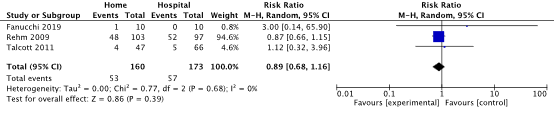
Figure 1. Forest plot showing the comparison between home-based antimicrobial therapy relative to hospital-based antimicrobial therapy for serious adverse events
Pooled risk ratio, random effects model
The two RCTs that did not specify in which group the adverse events occurred assessed the risk of any adverse event. One of these was a crossover trial that provided data from a total of 17 adolescents and adults with CF, with a respiratory infective exacerbation by P. aeruginosa receiving intravenous antibiotic therapy. There were no deaths, no short-term readmissions and no events reported attributable to the drugs used. The other study reported there were 23/44 in the home-based group vs 31/38 in the hospital-based group. The RR was 0.64 (95% CI; 0.47 to 0.88) in favour of the home-based group.
Immunoglobulin
Health Technology Assessment (2017) included 16 studies of which 7 reported on adverse events as an outcome measure. Severe adverse reactions were rare with either method. The risk of adverse events such as fever or headache were higher with intravenous (IV) infusion, while subcutaneous (SC) infusion sometimes caused infusion site reactions such as swelling, redness, or pain Table 4.
Table 4. Safety of hospital-based (IV) versus home-based (SC) infusion of Immunoglobulin for Primary and Secondary Immunodeficiencies
|
Study |
Number of events |
Disease (complication) |
Hospital-based group (IV infusion) |
Home-based group (SC infusion) |
|
Gardulf (2007) |
60 patients and 2297 infusions (16 children, 44 adults) |
Primary immunodeficiency |
NA |
28 (1%) |
|
Fasth (2007) |
12 patients (all children) |
Primary immunodeficiency |
NA |
12 (100%) |
|
Hoffman (2010) |
82 patients (17 <14 years) |
Primary immunodeficiency |
NA |
0 (0%) |
|
Compagno (2014) |
94 patients (61 patients SCig, 33 patients IVIg) |
hypogammaglobulinemia secondary to B-cell lymphoproliferative disorder |
17 (52%) |
11 (18%) |
|
Sundin (2012) |
66 patients (12 sc IgG replacement, 46 iv IgG replacement) |
Hypogammaglobulinemia |
31 (67%) |
2 (17%) |
|
Vultaggio (2015) |
50 patients (7 patients <14 years) |
Primary immunodeficiency |
NA |
14 (28%) |
|
Bezrodnik (2013) |
13 patients (receiving a total of 468 SCIG infusions) |
Primary immunodeficiency |
NA |
67 (14%) |
Schultz (2021) found that there were no adverse events recorded from 207 infusions from 35 patients across both home and clinic intravenous infusions of monoclonal antibodies.
Chemotherapy
Norskøv (2022) found that no adverse events were reported among a cohort of 166 patients with newly diagnosed acute myeloid leukemia receiving intensive chemotherapy on programmed CADD Solis infusion pumps through a central venous catheter at home or in hospital.
Polinsky (2016) 13 studies of which 2 reported on safety and adverse events of chemotherapy infusion. One study compared side effects associated with chemotherapy infusion were compared in the clinic setting (first infusion) versus the home setting (all subsequent infusions). Among 48 patients with pre-terminal cancer and life expectancy <6 months, the side effect rate was 0.66 (63/95) per clinic infusion and 0.75 (171/195) per home infusion. The RD was 0.21 (95% CI; 0.11 to 0.32). A second study of in-home versus in-hospital chemotherapy in-fusions in 152 patients receiving care at a Veterans Administration Medical Center reported only 27 complications total and concluded that home infusion was not a significant riskfactor for venous access device port complications.
Enzyme replacement therapy
Manera (2024) found that one participant with late-onset Pompe disease (LOPD) experienced infusion-associated reactions of eyelid edema and flushing during the first home infusion; both were nonserious adverse events classified as grade 1 (mild). Home infusion was later resumed for this participant. Among LOPD participants, overall event rates for home infusions (0.028; 8/289) were comparable to those for clinic infusions (0.039; 12/306). The RD was -0.01 (95% CI; -0.04 to 0.02) Adverse events classified as infusion associated reactions were also comparable between home infusions (0.003; 1/348) and clinic infusions (0.006; 5/858). The RD was -0.00 (0.01 to 0.00). No medication errors occurred during home infusion.
A systematic review of the literature was performed to answer the following question(s):
What criteria are necessary for safe administering of medication at home?
Table 1. PICO
| Patients | Medication that is administered subcutaneous, intramuscular, epidural or intravenous |
| Intervention | Home administering |
| Control | Clinical administering |
| Outcomes | Complications and adverse events |
| Other selection criteria | Study design: systematic reviews, randomized controlled trials observational studies |
Relevant outcome measures
The guideline panel considered complications and adverse events as a critical outcome measure for decision making.
A priori, the guideline panel did not define the outcome measures listed above but used the definitions used in the studies.
The guideline panel defined the GRADE standard limit of 25% difference for dichotomous outcomes (RR < 0.8 or > 1.25), and 10% for continuous outcomes as a minimal clinically (patient) important difference.
Search and select (Methods)
A systematic literature search was performed by a medical information specialist using the following bibliographic databases: Embase.com and Ovid/Medline all. Both databases were searched from 2014 to 27 January 2025 for systematic reviews, RCTs and observational studies. Systematic searches were completed using a combination of controlled vocabulary/subject headings (e.g., Emtree-terms, MeSH) wherever they were available and natural language keywords. The overall search strategy was derived from two primary search concepts: (1) home parenteral therapy; (2) adverse events/ side effects. Duplicates were removed using EndNote software. After deduplication a total of 1105 records were imported for title/abstract screening. Initially, 15 studies were selected based on title and abstract screening. After reading the full text, 5 studies were excluded (see the exclusion table under the tab ‘Evidence tabellen’), and 10 studies were included.
- Baker MC, Weng Y, Fairchild R, Ahuja N, Rohatgi N. Comparison of Adverse Events Among Home- vs Facility-Administered Biologic Infusions, 2007-2017. JAMA Netw Open. 2021 Jun 1;4(6):e2110268. doi: 10.1001/jamanetworkopen.2021.10268. PMID: 34081140; PMCID: PMC8176330.
- Bohra A, Rizvi QA, Keung CYY, Vasudevan A, van Langenberg DR. Transitioning patients with inflammatory bowel disease from hospital-based to rapid home-based infliximab: A stepwise, safety and patient-orientated process towards sustainability. World J Gastroenterol. 2020 Sep 28;26(36):5437-5449. doi: 10.3748/wjg.v26.i36.5437. PMID: 33024395; PMCID: PMC7520608.
- Bryant PA, Katz NT. Inpatient versus outpatient parenteral antibiotic therapy at home for acute infections in children: a systematic review. Lancet Infect Dis. 2018 Feb;18(2):e45-e54. doi: 10.1016/S1473-3099(17)30345-6. Epub 2017 Aug 16. PMID: 28822781.
- Díaz-Manera J, Hughes D, Erdem-Özdamar S, Tard C, Béhin A, Bouhour F, Davison J, Hahn SH, Haack KA, Huynh-Ba O, Periquet M, Tammireddy S, Thibault N, Zhou T, van der Ploeg AT. Home infusion experience in patients with Pompe disease receiving avalglucosidase alfa during three clinical trials. Mol Genet Metab. 2024 Dec;143(4):108608. doi: 10.1016/j.ymgme.2024.108608. Epub 2024 Nov 8. Erratum in: Mol Genet Metab. 2025 Mar;144(3):109006. doi: 10.1016/j.ymgme.2024.109006. PMID: 39566417.
- Díaz-Manera J, Hughes D, Erdem-Özdamar S, Tard C, Béhin A, Bouhour F, Davison J, Hahn SH, Haack KA, Huynh-Ba O, Periquet M, Tammireddy S, Thibault N, Zhou T, van der Ploeg AT. Corrigendum to "Home infusion experience in patients with Pompe disease receiving avalglucosidase alfa during three clinical trials" [Molecular Genetics and Metabolism, 143 (2024) 108608]. Mol Genet Metab. 2025 Mar;144(3):109006. doi: 10.1016/j.ymgme.2024.109006. Epub 2025 Jan 9. Erratum for: Mol Genet Metab. 2024 Dec;143(4):108608. doi: 10.1016/j.ymgme.2024.108608. PMID: 39787886.
- Nørskov KH, Fridthjof K, Kampmann P, Dünweber A, Andersen CL, Renaberg T, Schöllkopf C, Ahmad SA, Schou K, Jensen CF, Møller P, Lundholm BW, Marcher C, Jepsen L, Ørntoft AK, Ommen HB, Andersen L, Behrentzs A, Hasselgren CF, Severinsen M, Grand MK, Jarden M, Møller T, Kjeldsen L. A national Danish proof of concept on feasibility and safety of home -based intensive chemotherapy in patients with acute myeloid leukemia. Leuk Res. 2022 Jan;112:106756. doi: 10.1016/j.leukres.2021.106756. Epub 2021 Nov 22. PMID: 34839055.
- Pacheco RL, Latorraca COC, Pires Dos Santos AP, Martimbianco ALC, Moreira RFC, Logullo P, Riera R. Efficacy and safety of home-based intravenous antibiotic therapy among adults: a systematic review. Int J Antimicrob Agents. 2022 Apr;59(4):106555. doi: 10.1016/j.ijantimicag.2022.106555. Epub 2022 Feb 18. PMID: 35189285.
- Polinski JM, Kowal MK, Gagnon M, Brennan TA, Shrank WH. Home infusion: Safe, clinically effective, patient preferred, and cost saving. Healthc (Amst). 2017 Mar;5(1-2):68-80. doi: 10.1016/j.hjdsi.2016.04.004. Epub 2016 Apr 29. PMID: 28668202.
- Schmoyer CJ, Sun K, Zack J, Kumar P, Shivashankar R. Adverse Events and Compliance Among Inflammatory Bowel Disease Patients Treated With Home- vs Office-Based Biologic Infusions. Inflamm Bowel Dis. 2024 Sep 3;30(9):1529-1535. doi: 10.1093/ibd/izad226. PMID: 37819840.
- Schultz TJ, Thomas A, Georgiou P, Juaton MS, Cusack L, Simon L, Naidoo K, Webb K, Karnon J, Ravindran J. Home infusions of natalizumab for people with multiple sclerosis: a pilot randomised crossover trial. Ann Clin Transl Neurol. 2021 Aug;8(8):1610-1621. doi: 10.1002/acn3.51410. Epub 2021 Jul 21. PMID: 34288591; PMCID: PMC8351394.
Risk of Bias tables
|
Author, year |
Selection of participants
Was selection of exposed and non-exposed cohorts drawn from the same population? |
Exposure
Can we be confident in the assessment of exposure? |
Outcome of interest
Can we be confident that the outcome of interest was not present at start of study? |
Confounding-assessment
Can we be confident in the assessment of confounding factors? |
Confounding-analysis
Did the study match exposed and unexposed for all variables that are associated with the outcome of interest or did the statistical analysis adjust for these confounding variables? |
Assessment of outcome
Can we be confident in the assessment of outcome? |
Follow up
Was the follow up of cohorts adequate? In particular, was outcome data complete or imputed? |
Co-interventions
Were co-interventions similar between groups? |
Overall Risk of bias |
|
Definitely yes, probably yes, probably no, definitely no |
Definitely yes, probably yes, probably no, definitely no |
Definitely yes, probably yes, probably no, definitely no |
Definitely yes, probably yes, probably no, definitely no |
Definitely yes, probably yes, probably no, definitely no |
Definitely yes, probably yes, probably no, definitely no |
Definitely yes, probably yes, probably no, definitely no |
Definitely yes, probably yes, probably no, definitely no |
Low, Some concerns, High |
|
|
Baker (2021) |
Definitely yes
large national insurance database; both groups from the same insured population. |
Definitely yes
Defined home and facility infusions as biologic infusions for which the place of service was documented as home and office, respectively. Exposure data came from a large administrative claims database using standardized service codes |
Probably yes
We used data from the Optum Clinformatics Data Mart… We included patients… with at least 1 ICD code for an immune-mediated disease and at least 1 J-code for a biologic infusion.” Exposure based on setting code. Outcomes were ED/hospital admissions after infusions unclear if exposure was absent at the start |
Definitely yes
We used infusion-level data… Generalized estimating equations (GEE) were used to assess the association… while adjusting for age, sex, Charlson comorbidity score, year of infusion, disease specialty, the frailty conditions included in the Segal frailty index, the top 7 most common infusion agents, and glucocorticoid use in the past 30 days |
Definitely yes
We used GEE… adjusting for age, sex, Charlson comorbidity score, year of infusion, disease specialty, the frailty conditions included in the Segal frailty index, the top 7 most common infusion agents, and glucocorticoid use in the past 30 days. |
Definitely yes
Primary outcome was emergency department (ED) or hospital admission after the administration of a biologic infusion… We included admissions on the same or next day after the infusion to capture the 24-hour duration when an acute infusion reaction could occur… derived from Optum claims database |
Definitely yes
Patients with missing data for age (17 patients) or sex (1 patient) were excluded from the analysis” . The large dataset and use of claims data covering all eligible infusions supports completeness, but missing demographic data were not imputed |
Definitely yes
adjusted for glucocorticoid use and infusion agents |
Low
|
|
Schmoyer (2024) |
Definitely yes
all patients treated at a single U.S. academic center; both groups drawn from same clinical population |
Definitely yes
Infusion setting was confirmed through review of the EMR and pharmacy records. All patients had a clearly documented infusion setting (home vs office), and transition dates between settings were confirmed manually. Adverse events were documented using provider notes and infusion reaction logs, which were cross-checked by study personnel |
Probably yes
Not clearly reported. total of 287 patients met inclusion criteria… AE-free survival was greater among those receiving home-based infusion.” Study compares new adverse events over time but does not explicitly exclude those with prior
|
Probably yes
A multivariate analysis was performed to identify any potential confounders… There was no relationship between patient age, BMI, duration of disease… There was a significant correlation… with HBI and CRP.” However: “Measures of the degree of comorbidity or frailty were not included… and could be a source of unrecognized bias
|
Probably yes
there was a significant correlation between adverse events and CRP and HBI… Measures of the degree of comorbidity or frailty were not included in this analysis and could be a source of unrecognized bias
|
Probably yes
adverse events were abstracted from EMRs and infusion logs, but no blinding of assessors: “Adverse events were documented using provider notes and infusion reaction logs, which were cross-checked by study personnel
|
Probably yes
Patients were excluded… if lost to follow-up within 3 months… in the absence of a documented AE or other trial endpoint” . Patients were followed at regular infusion intervals; AE collection continued until major AE or end of study |
Definitely no
Differences in quality and monitoring |
Some concerns
|
|
Manera (2024) |
Definitely yes
same trial population before and after transition to home infusion. Only stable patients included. |
Definitely Yes
This was a pooled analysis of patients who transitioned from clinic-based to home-based infusion in 3 open-label clinical trials (NEO-EXT, COMET, Mini-COMET). The infusion setting, timing, and adverse events were documented prospectively in trial databases and verified by study monitors |
Definitely Yes
Participants were required to have no ongoing serious adverse events that… may affect the participant’s ability to tolerate an infusion… All adverse events reported in this analysis are ‘treatment-emergent’ adverse events… |
Probably yes
Participants eligible only after being “clinically stable and without ongoing serious adverse events,” but the analysis does not report multivariable adjustment. Confounding by indication is minimized by selection criteria but not formally modeled |
Probably yes
Participants were pre-screened for clinical stability and absence of ongoing serious AEs. No matching or multivariable statistical adjustment was performed during analysis. Outcomes are descriptive only. |
Definitely yes
All participants had safety assessed via reporting of adverse events, physical examinations, ECGs, vitals… Adverse events were coded using the most recent version of the Medical Dictionary for Regulatory Activities (MedDRA)… severity graded using CTCAE v4.03 |
Definitely yes
Based on a data cutoff of February 25, 2022… number of infusions per participant and exposure duration were reported” . Follow-up clearly reported, no indication of incomplete outcome data |
Definitely Yes
“Same infusion product, dose, schedule… adverse events assessed under same criteria in clinic and home settings” – consistent protocol across both settings |
Low |
|
Norskøv (2022) |
Definitely No
only home treatment group studied (single-arm cohort). No non-exposed comparison group. |
Definitely Yes
All infusions were delivered via a CADD-Solis infusion pump, and 67% of the total pump infusion days were provided with outpatient supportive care and treatment in the patient’s home without healthcare professionals being present. Infusion location and complications were documented in daily logs and verified against electronic hospital records |
Probably yes
Single-arm cohort. All patients newly diagnosed with AML and beginning first cycle of chemotherapy. Assumes outcome not present at baseline but not explicitly stated |
Probably yes
Confounding was partly handled in outcome modeling: “Linear mixed-effect models… with fixed effects for assessment time, sex, and age” . However, no specific clinical confounders were included for adverse events. |
Probably yes
Linear mixed-effect models… included fixed effects for assessment time, sex, and age.” No other relevant clinical or treatment-related confounders considered for AE outcomes |
Probably yes
Online medical record following each cycle” and “Linear mixed-effect models used” – AE data were reported through standard hospital records, but no description of blinding or specific AE definitions provided |
Probably no
Baseline (N = 104)… 36-week follow-up (N = 34)” . No reasons provided for dropout or imputation method. High loss to follow-up without explanation limits confidence |
Definitely yes
“All participants received intensive chemotherapy treatment on a CADD pump through their CVC… guidance and training… were standardized before home transfer” – a uniform educational and procedural framework was applied to all patients |
High |
|
Bohra (2020) |
Probably No
standard and rapid infusion groups were drawn from different time periods (2005–2013 vs 2014–2017), suggesting potential cohort differences. |
Unclear
No direct definition of exposure method was provided. The study reports: “Home-based rapid infusions were administered to 32 patients… from October 2017 to December 2019 inclusive,” but does not explain how these were documented or confirmed. It is unclear whether classification was based on EMR codes, pharmacy logs, or retrospective inference |
Definitely no
Groups were defined by time period (2006–2013 vs. 2014–2017). No description of screening for pre-existing adverse events prior to infusion start |
Definitely no
No information provided on adjustment for age, disease severity, comorbidities, or other confounders. Comparison groups differ by calendar period |
Definitely no
The study compares sequential cohorts (different time periods). No confounders such as age, disease severity, or medication history were controlled for. No matching or multivariable regression reported. |
Probably yes
therapeutic data including adverse drug reactions (ADRs)… were extracted from medical records… severity graded retrospectively according to the Common Toxicity Criteria (CTC) version 2.0” – suggests consistent but unblinded retrospective review |
Probably no
The study is retrospective and reports AE numbers, but does not state duration of follow-up or describe missing data. |
Uncler
No mention of co-interventions |
High |
Risk of bias table for intervention studies
|
Study reference
(first author, publication year) |
Was the allocation sequence adequately generated?
Definitely yes Probably yes Probably no Definitely no |
Was the allocation adequately concealed?
Definitely yes Probably yes Probably no Definitely no |
Blinding: Was knowledge of the allocated interventions adequately prevented?
Were patients blinded?
Were healthcare providers blinded?
Were data collectors blinded?
Were outcome assessors blinded?
Were data analysts blinded?
Definitely yes Probably yes Probably no Definitely no |
Was loss to follow-up (missing outcome data) infrequent?
Definitely yes Probably yes Probably no Definitely no |
Are reports of the study free of selective outcome reporting?
Definitely yes Probably yes Probably no Definitely no |
Was the study apparently free of other problems that could put it at a risk of bias?
Definitely yes Probably yes Probably no Definitely no |
Overall risk of bias If applicable/necessary, per outcome measure
LOW Some concerns HIGH
|
|
Schultz (2021 |
Definitely yes;
Block randomization using Excel-generated random numbers |
Definitely yes;
Randomization by separate individual post-consent |
Definitely No;
Participants received either clinic or home infusions in alternating periods; blinding was not feasible due to the nature of the intervention
Infusion staff had to deliver therapy either at home or clinic, which could not be blinded.
Author KW administered assessments and was unblinded |
Definitelu yes;
Loss to follow-up was minimal (1 out of 37 participants, ~3%), and did not introduce bias. Outcome data were complete for all remaining participants. |
Definitely yes;
Reason: All relevant outcomes were reported |
Definitely yes;
All planned outcomes reported clearly and transparently. |
LOW |
Table of excluded studies
|
Reference |
Reason for exclusion |
|
Balaguer A, González de Dios J. Home versus hospital intravenous antibiotic therapy for cystic fibrosis. Cochrane Database Syst Rev. 2015 Dec 15;2015(12):CD001917. doi: 10.1002/14651858.CD001917.pub4. PMID: 26671062; PMCID: PMC6481823. |
Overlaps with Parecho (2022) which is a more recent systematic review
|
|
Boguszewski CL, Korbonits M, Artignan A, García AM, Houchard A, Ribeiro-Oliveira A Jr, de Herder WW. Evaluating home injection compared with healthcare-setting injection of somatostatin analogs: a systematic literature review. Endocrine. 2023 Mar;79(3):527-536. doi: 10.1007/s12020-022-03227-0. Epub 2022 Nov 11. PMID: 36369434; PMCID: PMC9651885. |
I and O do not meet PICO |
|
Chrysochoou EA, Hatziagorou E, Kirvassilis F, Tsanakas J. Home intravenous antibiotic therapy in children with cystic fibrosis: clinical outcome, quality of life and economic benefit. Hippokratia. 2016 Oct-Dec;20(4):279-283. PMID: 29416300; PMCID: PMC5788226. |
I and O do not meet PICO |
|
Sriskandarajah S, Hobbs J, Roughead E, Ryan M, Reynolds K. Safety and effectiveness of 'hospital in the home' and 'outpatient parenteral antimicrobial therapy' in different age groups: A systematic review of observational studies. Int J Clin Pract. 2018 Jun 19:e13216. doi: 10.1111/ijcp.13216. Epub ahead of print. PMID: 29920884. |
Does not provide a quality assessment of included studies. Overlaps with Parecho (2022) en Bryant (2017) which are of better quality.
|
|
Fenster M, Ungaro RC, Hirten R, Gallinger Z, Cohen L, Atreja A, Mehandru S, Colombel JF, Cohen BL. Home vs Hospital Infusion of Biologic Agents for Patients With Inflammatory Bowel Diseases. Clin Gastroenterol Hepatol. 2020 Jan;18(1):257-258. doi: 10.1016/j.cgh.2019.03.030. Epub 2019 Mar 22. PMID: 30910602; PMCID: PMC7026825. |
I and O do not meet PICO |
Beoordelingsdatum en geldigheid
Publicatiedatum : 21-07-2026
Beoordeeld op geldigheid : 21-07-2026
Algemene gegevens
De ontwikkeling deze richtlijnmodule werd ondersteund door het Kennisinstituut van de Federatie Medisch Specialisten (www.demedischspecialist.nl/kennisinstituut) en werd gefinancierd door de Stichting Kwaliteitsgelden Medisch Specialisten (SKMS). De financier heeft geen enkele invloed gehad op de inhoud van de richtlijnmodule.
Samenstelling werkgroep
Voor het ontwikkelen van de richtlijnmodule is in 2024 een multidisciplinaire werkgroep ingesteld, bestaande uit vertegenwoordigers van alle relevante specialismen (zie hiervoor de Samenstelling van de werkgroep) die betrokken zijn bij de thuisdoening van medicatie.
Werkgroep
- P.J.J.M. Janssen, ziekenhuisapotheker, Nederlandse Vereniging van Ziekenhuisapothekers (NVZA), voorzitter
- A.I. de Bruin, apotheker, Nederlandse Vereniging van Ziekenhuisapothekers (NVZA)
- J. ten Oever, internist-infectioloog, Nederlandse Internisten Vereniging (NIV)
- A. Beeker, internist, Nederlandse Internisten Vereniging (NIV)
- M.A.W. Gorter-Stam, kinderpalliatief specialist, Nederlandse Vereniging voor Kindergeneeskunde (NVK)
- B.A.E. de Koning, kinderarts, Nederlandse Vereniging voor Kindergeneeskunde (NVK)
- Dr. Ir. A.G. van der Giessen, klinisch fysicus, Nederlandse Vereniging voor Klinische Fysica (NVKF)
- C.A.M. Reeuwijk, gespecialiseerd reumaverpleegkundige, Verpleegkundigen & Verzorgenden Nederland (V&VN)
- I. Cornelis BN wijkverpleegkundige, Verpleegkundigen & Verzorgenden Nederland (V&VN)
Klankbordgroep
- R.J.P. van der Wal, orthopedisch chirurg, Nederlandse Orthopaedische Vereniging (NOV)
- Dr. S. de Boer, cardioloog, Nederlandse Vereniging voor Cardiologie (NVvC)
- E. Doganer, Kind en Zorg (K&Z)
Met ondersteuning van
- A. Oost, literatuurspecialist, Kennisinstituut van de Federatie Medisch Specialisten
- Drs. A.E. Sussenbach, adviseur, Kennisinstituut van de Federatie Medisch Specialisten
- Dr. A.J. Versteeg, senior adviseur, Kennisinstituut van de Federatie Medisch Specialisten
Belangenverklaringen
Een overzicht van de belangen van werkgroepleden en het oordeel over het omgaan met eventuele belangen vindt u in onderstaande tabel. De ondertekende belangenverklaringen zijn op te vragen bij het secretariaat van het Kennisinstituut van de Federatie Medisch Specialisten via secretariaat@kennisinstituut.nl.
Gemelde (neven)functies en belangen werkgroepleden
|
Naam |
Hoofdfunctie |
Nevenwerkzaamheden |
Persoonlijke financiële belangen |
Persoonlijke relaties |
Extern gefinancierd onderzoek |
Intellectuele belangen en reputatie |
Overige belangen |
Datum |
Restrictie |
|
P.J.J.M Janssen |
Ziekenhuisapotheker, ErasmusMC |
bestuursfunctie CPF, organisatie gelieerd aan NVZA. CPF verzorgt de collectieve belangenbehartiging voor poliklinische apotheken. Binnen de grenzen van mededingingsrecht werken poliklinische apotheken samen in de zorgverkoop |
Geen |
Geen |
Geen |
Geen |
Geen |
18-04-2024 |
Geen restricties |
|
A.I. de Bruin |
Poliklinisch Apotheker, UMC Utrecht (medisch specialist) |
Lid Adviesraad Collectief Poliklinische Farmacie (CPF); betreft inkoop extramurale farmacie (vacatiegeld); CPF verzorgt de collectieve belangenbehartiging voor poliklinische apotheken. |
Geen |
Geen |
Geen |
Geen |
Geen |
20-06-2024 |
Geen restricties |
|
J. ten Oever |
Radboudumc: internist-infectioloog (betaald), primaire functie, voltijd |
Voorzitter SWAB Werkgroep antimicrobial stewardship, betaald. Lid deelnemersraad SWAB, onbetaald. Lid RCT AMR Zorgnetwerk GAIN, betaald. Via deze functie ook betaalde projecten, zoals regionale A-team meeting en revisie OPAT-praktijkgids Aankomend voorzitter NVII (v.a. 30/5/24), onbetaald Lid commissie kwaliteit NVII, onbetaald. |
Geen |
Geen |
*Pfizer: Onderzoek naar OPAT, projectleider *Pfizer: Microbioomonderzoek bij antibotica *Effectiviteit cefazoline en flucloxacilline bij S. aureusbacteriëlemie *Onderzoek naar OPAT, projectleider *SOD als additionele profylaxe bij eosfagusresectie |
Geen |
Geen |
20-06-2024 |
Geen restricties |
|
A. Beeker |
Internist hemato-oncoloog en medisch manager oncologiecentrum Spaarne Gasthuis |
Lid oncologiecommissie ONconovo +, onbetaald. Lid geneesmiddelen commissie NWH, onbetaald. Lid wetenschapscommissie NWH, onbetaald. Lid redactieraad NTVL, onbetaald Hoofdredacteur medidact oncologie/hematologie, onkostenvergoeding. Lid dagelijks bestuur vakgroep interne geneeskunde-MOL Spaarne Gasthuis, onbetaald. |
Lid Care Coalition, onkostenvergoeding |
Geen |
Geen. |
Geen |
Geen |
02-12-2024 |
Geen restricties |
|
M.A.W. Gorter-Stam |
Medisch Adviseur: KinderThuisZorg Nederland; 16uur -Medisch advies intern -transmurale zorgprojecten diverse -Scholing Medisch Ethische Commissie: Make-A-Wish; 16 uur -Medisch advieswerk -Onderzoek QoL Eigenaar Close Of Life -Scholing -Advieswerk -Kenniscentrum Kinderpalliatieve zorg; diverse projecten |
Advisor to the International Medical Committee Make-A-Wish |
Geen |
Geen |
Geen |
Nee, behoudens dat ik werkzaam ben in het extramurale veld, waarvoor deze richtlijn van belang is om zo de medicatieveiligheid van de patiënten te verhogen |
Geen |
24-06-2024 |
Geen restricties |
|
B.A.E. de Koning |
Kinderarts MDL, ErasmusMC |
Geen |
Geen |
Geen |
MLDS en Zeldzame ziekten fonds, sportinterventie bij patienten met darmfalen, beide projectleider. |
Geen |
Geen |
30-08-2024 |
Geen restricties |
|
Dr. Ir. A.G. van der Giessen |
Algemeen klinisch fysicus- Maxima Medisch Centrum |
Opleider binnen post-master opleiding Qualified Medical Engineering - Technische Universiteit Eindhoven |
Geen |
Geen |
Geen |
Geen vermarkting; Wel mogelijkheid voor reputatie gewin/schade op dit gebied binnen specialisme in verband borgen met de rol van de klinische fysica binnen dit domein |
Geen |
11-06-2024 |
Geen restricties |
|
C.A.M. Reeuwijk |
Reumaverpleegkundige Isala zkh |
V&VN reumatologie (voorzitter) |
Geen |
Geen |
Geen |
Voorzitter V&VN reumatologie |
Geen |
23-05-2024 |
Geen restricties |
|
I. Cornelis |
Gespecialiseerd wijkverpleegkundige bij Groene Kruis Thuiszorg, onderdeel van de Zorggroep |
Bestuurslid V&VN, afdeling TTV (vrijwillig) |
Geen |
Geen |
Geen |
Geen |
Geen |
02-07-2024 |
Geen restricties |
Inbreng patiëntenperspectief
De werkgroep besteedde aandacht aan het patiëntenperspectief door het uitnodigen van de Patiëntenfederatie Nederland (PFNL) voor de schriftelijke knelpuntenanalyse en door het betrekken van een afgevaardigde van stichting Kind & Ziekenhuis in de klankbordgroep. De verkregen input is meegenomen bij het opstellen van de uitgangsvragen, de keuze voor de uitkomstmaten en bij het opstellen van de overwegingen. De conceptrichtlijn is tevens voor commentaar voorgelegd aan de patiëntenvereniging en stichting Kind & Ziekenhuis en de eventueel aangeleverde commentaren zijn bekeken en verwerkt.
Kwalitatieve raming van mogelijke financiële gevolgen in het kader van de Wkkgz
Bij de richtlijnmodule voerde de werkgroep conform de Wet kwaliteit, klachten en geschillen zorg (Wkkgz) een kwalitatieve raming uit om te beoordelen of de aanbevelingen mogelijk leiden tot substantiële financiële gevolgen. Bij het uitvoeren van deze beoordeling is de richtlijnmodule op verschillende domeinen getoetst (zie het stroomschema bij Werkwijze).
Uit de kwalitatieve raming blijkt dat er waarschijnlijk geen substantiële financiële gevolgen zijn, zie onderstaande tabel.
|
Module |
Uitkomst raming |
Toelichting |
|
Geneesmiddelen |
geen financiële gevolgen |
Hoewel uit de toetsing volgt dat de aanbeveling(en) breed toepasbaar zijn (>40.000 patiënten), volgt uit de toetsing dat het overgrote deel (±90%) van de zorgaanbieders en zorgverleners al aan de norm voldoet. Er worden daarom geen financiële gevolgen verwacht. |
Werkwijze
Voor meer details over de gebruikte richtlijnmethodologie verwijzen wij u naar de Werkwijze.