
Klinimetrie bij ataxie
Uitgangsvraag
Welke set aan klinimetrie is het beste om personen met niet-acute cerebellaire-ataxie een progressief beeld op te volgen?
Aanbeveling
Gebruik de Scale for the Assessment and Rating of Ataxia (SARA)* om de ernst van de ataxie te meten bij volwassenen met progressieve, cerebellaire ataxie, in ieder geval bij het beoordelen van behandeleffecten.
*De SARA en een online trainingstool zijn beschikbaar via: https://ataxia-global-initiative.net/resources/sara-training-tool/.
Gebruik Patient Reported Outcome Measuers (PROMS) – hulpvraaggerichte uitkomsten om richting te geven aan de (revalidatie)behandeling en evalueer met aanvullende klinische testen op activiteiten en participatieniveau gevalideerd bij andere hersenaandoeningen.
Zie voor mogelijke klinische testen de overwegingen en tabel 1.
Overwegingen
Waarom deze aanbeveling?
De SARA is een betrouwbare test om de ernst van ataxie te meten. Er spelen echter nog andere factoren bij mensen met ataxie die ook van waarde zijn voor de behandeling. Daarnaast is het van belang om de waarden en voorkeuren van mensen met ataxie mee te nemen bij het beoordelen van de behandeling.
Eindoordeel:
Sterke aanbeveling voor (Doen).
Balans tussen gewenste en ongewenste effecten
Er werd een literatuurstudie uitgevoerd naar de meeteigenschappen van de Scale for the Assessment and Rating of Ataxia (SARA) bij volwassenen met niet-acute cerebellaire ataxie. De meeteigenschappen betrouwbaarheid en responsiviteit werden beoordeeld. Daarnaast werd de haalbaarheid van het afnemen van de SARA beschreven.
De SARA is een klinisch meetinstrument dat wordt gebruikt om de ernst van ataxie te beoordelen. De schaal bestaat uit acht onderdelen die verschillende aspecten van motorische coördinatie meten, zoals lopen, staan, zitten, spraak, en de coördinatie van armen en benen. Elk onderdeel wordt gescoord op een schaal, waarbij hogere scores wijzen op ernstigere ataxie. De totaalscore (0-40) geeft een indicatie van de mate van ataxie waarbij een hogere score duidt op meer ernstige ataxie.
Betrouwbaarheid
Negen studies beschreven de betrouwbaarheid van de SARA. Allen rapporteerden zij een goede betrouwbaarheid, zowel tussen beoordelaars als binnen beoordelaars. Ook was de SARA score betrouwbaar wanneer video en fysieke ratings met elkaar werden vergeleken. De SARA wordt beoordeeld als betrouwbaar bij mensen met niet-acute cerebellaire ataxie. De bewijskracht voor deze bevindingen is hoog.
Responsiviteit
Drie studies beschreven de responsiviteit van de SARA aan de hand van een vooraf opgestelde hypothese. Zij definieerden responsiviteit als het vermogen van de SARA om onderscheid te maken tussen mensen met ataxie die zelf een verandering in functioneren rapporteerden en mensen met ataxie die geen verandering rapporteerden. De resultaten van deze studies zijn gemixt. Twee studies vonden de SARA voldoende betrouwbaar, één studie rapporteerde onvoldoende betrouwbaarheid op basis van hun hypothese.
Haalbaarheid
Twee studies beschreven de haalbaarheid van de SARA. Zij rapporteren een gemiddelde afnametijd van de SARA van gemiddeld 4 en 14 minuten. De werkgroep schat in dat getrainde professionals rond de 10 minuten nodig hebben om de gehele SARA score af te nemen en daarmee is toepassing in de klinische praktijk haalbaar.
Toepassing SARA
Een voordeel van de SARA is dat het een betrouwbaar instrument is om ataxie te meten, dit blijkt ook uit de gevonden literatuur. Ook blijkt dat de betrouwbaarheid van de individuele componenten een stuk lager ligt dan die van de gehele SARA score, dit lijkt met name te gelden voor de items 6 tot 8. Het is dus van belang om de SARA score als geheel te beoordelen.
De literatuur over responsiviteit laat geen eenduidig resultaat zien. Dit zou kunnen komen door het design van de studies. De studies hebben de responsiviteit gemeten door deze te vergelijken met zelf gerapporteerde functioneren van mensen met ataxie. Dit functioneren wordt echter ook beïnvloed door andere neurologische factoren die niet gerelateerd zijn aan ataxie. Denk hierbij bijvoorbeeld aan vermoeidheid. Dit kan de resultaten van de studies hebben vertekend. De ervaring van de werkgroep is dat de SARA wel degelijk verandering in functie kan detecteren, zoals beschreven in cohortstudies met langere follow-up (Berger, 2025; Moulaire, 2022). Het wordt aangeraden om dit instrument toch bij volwassenen met ataxie te gebruiken om het beloop op te volgen en om effecten van behandeling te beoordelen. Bij een opvallende onverwachte verandering in de SARA score die mogelijk te wijten is aan bijkomende factoren zoals vermoeidheid, is het aan te raden de test te herhalen. Bij een revalidatiebehandeling kan dit worden aangevuld met andere relevante meetinstrumenten (zie tabel 1).
In de studies opgenomen in de literatuursamenvatting zijn nog geen mensen met SCA27b opgenomen. Dit ziektebeeld laat over het algemeen een langzamere progressie zien. Het is op basis van de huidige bewijslast niet te zeggen hoe de SARA de progressie in deze populatie kan monitoren. In een kleine n-of-1 serie met 4-aminopyridine bij personen met SCA27b werd er wel een effect op de SARA score waargenomen (Wilke, 2023).
Andere meetinstrumenten
De SARA score meet de ernst van ataxie op het functieniveau van de ICF (International Classification of Functioning, Disability and Health). Dit vertaalt zich niet automatisch naar ervaren beperkingen op activiteiten en participatie niveau. Binnen de revalidatiebehandeling van mensen met cerebellaire ataxie is het daarom van belang om aanvullende klinische testen te gebruiken voor het stellen van doelen voor verbeteren van activiteiten en participatie en deze te evalueren. De werkgroep adviseert hierbij gebruik te maken van klinische testen met hoge betrouwbaarheid en validiteit bij mensen met andere soorten van hersenletsel. Zie voor meer informatie https://meetinstrumentenzorg.nl/.
In onderstaande tabel een overzicht van klinische testen voor vastleggen en evalueren van stoornissen en beperkingen per domein zoals gebruikt in de expertisecentra voor ataxie.
Tabel 1. klinische testen per domein voor vastleggen stoornissen en beperkingen en evalueren van behandeldoelen bij cerebellaire ataxie
|
Domein |
|
Klinische test |
|
Balans |
Dynamische balans |
MiniBesTest |
|
|
Statische balans |
Berg Balance Scale |
|
Loopvaardigheid |
|
Comfortabele loopsnelheid, loopobservatie voor bepalen inzet loophulpmiddelen |
|
Arm-handvaardigheid |
|
Observatie binnen betekenisvolle taak bij ergotherapie |
|
Eten en drinken |
Slikken |
Sliksnelheid; Test of Mastication and Swallowing of Solids (TOMASS) |
|
Communicatie |
Spraak |
Nederlands dysartrie onderzoek voor Volwassenen (NDO-V) |
|
|
Taal |
Bij aanwijzingen voor taalproblematiek aanvullende taaltesten zoals CAT-NL |
|
Cognitie |
|
Observatie binnen betekenisvolle taak bij ergotherapie (bijvoorbeeld middels Percieve, Recall, Plan, Perform (PRPP) systeem) |
Daarnaast is goed om kennis te nemen van een aantal ziekte specifieke meetinstrumenten, zoals voor multipele systeem atrofie (UMSARS), de ataxie van Friedreich (mFARS) en ataxia teleangiectasia (AT-NEST).
Waarden en voorkeuren van patiënten (en eventueel hun naasten/verzorgers)
Het is van belang om in de behandeling rekening te houden met betekenisvolle doelen van mensen met ataxie en om deze doelen te gebruiken om de behandeling te evalueren. Persoonlijke voorkeuren kunnen van invloed zijn op de wensen van mensen met ataxie rondom laagfrequent testen van ernst van ataxie met de SARA. Het is van belang rekening te houden met deze voorkeuren binnen de follow-up en voorlichting te geven over de interpretatie van de test.
Kostenaspecten
De meeste meetinstrumenten zijn vrij beschikbaar. Dit geldt ook voor de SARA (zie: Microsoft Word - SARA-final.doc). Er bestaat een online trainingstool voor de SARA via: SARA Training Tool - ataxia-global-initiative.
Gelijkheid ((health) equity/equitable)
De diagnostiek heeft geen invloed op gezondheidsgelijkheid aangezien de diagnostiek op meerder plekken in het land kan worden uitgevoerd.
Aanvaardbaarheid
Ethische aanvaardbaarheid
De diagnostiek lijkt aanvaardbaar voor de betrokkenen. Er zijn geen ethische bezwaren.
Duurzaamheid
Bij het opstellen van deze aanbeveling spelen duurzaamheidsaspecten geen rol.
Haalbaarheid
De diagnostiek lijkt haalbaar in de praktijk. De haalbaarheid van de diagnostiek hangt af van een adequate scholing van de afnemer. Sommige items in de vragenlijst komen heel nauw. Aangezien de SARA mogelijk nog niet in elk centrum wordt afgenomen, is het nodig dat personeel getraind wordt in het afnemen van de SARA om deze betrouwbaar in te zetten bij het monitoren van behandeleffecten. Dit proces is identiek aan dat bij de MDS-UPDRS.
Onderbouwing
There is currently no uniform approach to the follow-up of patients with non-acute cerebellar ataxia. A standardized method for monitoring disease progression is required.
Monitoring the progression of ataxia is essential both to determine the appropriate timing for initiating treatment and to evaluate the effectiveness of interventions.
The Scale for the Assessment and Rating of Ataxia (SARA) is a disease-specific instrument designed to assess the severity of ataxia. However, it is not yet routinely applied in clinical practice. The working group considers the content validity and internal consistency of the instrument to be well established but raises the question whether it sufficiently captures disease progression across different domains.
Summary of Findings
Scale for the Assessment and Rating of Ataxia (SARA) for adults with non-acute cerebellar ataxia
|
Outcome (measurement properties) |
Study results and measurements |
Certainty of the Evidence (Quality of Evidence) |
Conclusions |
|
1. Reliability (crucial) |
ICC reported between 0.90 and 0.99 Based on data from 554 participants in 9 studies. |
High GRADE |
Reliability is sufficient for ataxia measured with the SARA in adults with non-acute cerebellar ataxia.
(Bürk, 2009; Kuiper, 2014; Milne, 2023; Schmitz-Hübsch, 2006, Schmitz-Hübsch, 2010; Taheri Amin, 2023; Viscarra, 2025; Weyer, 2007; Yabe, 2008) |
|
2. Responsiveness (crucial) |
ROC curve (AUC) for the ability to change detect a self- reported change in function (PGIC) 0.613 to 0.81 for an interval of 12 months. Based on data from 250 participants in 3 studies. |
No GRADE Due to inconsistency1 |
The level of evidence was not evaluated because of inconsistency between study results. (Monte 2017; Schmitz-Hübsch, 2010; Winser, 2022)
|
|
3. Feasibility (important) |
See description in results section. No GRADE assement was performed for this outcome. |
No GRADE |
|
|
Abbreviations: AUC – area under the curve; ICC- intraclass correlation coefficient; PGIC - Patients’ Global Impression of Change; ROC - Receiver Operating Characteristic |
|||
1. Inconsistency (-1 level) : one study reports an AUC <0.7
Description of studies
A total of 12 studies were included in the analysis of the literature. Important study characteristics and results are summarized in table 3. The assessment of the risk of bias is summarized in the risk of bias tables (under the tab ‘Evidence tabellen’).
Reliability
Nine studies reported on reliability of the SARA.
Burk (2009) assessed interrater reliability of the SARA at the same day in 96 individuals with a genetic diagnosis of FRDA. They included patients with a molecular genetic diagnosis of FRDA currently enrolled in the European GeNeMove database.
Kuiper (2014) reported on interrater reliability of the SARA speech subscale in 40 individuals with early onset ataxia. They included children and adults with early onset ataxia described with ‘ataxia’ (as a primary or secondary feature) initiating before their 25th year of life, as mentioned in the patient records.
Milne (2023) assessed interrater reliability of the SARA in 21 individuals with hereditary cerebellar ataxia between four physiotherapists. They included individuals when: 1) diagnosis was confirmed by genetic testing or a family history of 3 generations affected with cerebellar ataxia 2) age ≥15 years, 3) a level of motor function ranging from difficulty with tandem walking (minimum disability) to unable to walk and requiring minimal assistance with transfers (maximum disability). Exclusion criteria were 1) musculoskeletal injury limiting ability to weight bear, 2) another medical condition affecting mobility, 3) having undergone major orthopedic surgery or received botulinum toxin injections for spasticity in the last 6 months, 4) pregnancy, and 5) significant cognitive impairment.
Schmidt-Hübsch (2006) reported on interrater and test-retest reliability of the SARA in 97 individuals with SCA related ataxia. Inclusion criteria for the patients with SCA were 1) progressive ataxia and 2) positive genetic testing for any SCA mutation or linkage to any SCA locus or clinical evidence of autosomal dominant inheritance.
Schmidt-Hübsch (2010) reported on inter-rater reliability of the SARA in 171 individuals with SCA. Inclusion criteria were positive genetic testing for SCA1, 2, 3, or 6 in combination with progressive, otherwise unexplained ataxia and a complete 1-year follow-up data available for SARA.
Taheri Amin, (2023) compared rating of SARA live and recorded on video in 69 individuals with progressive cerebellar ataxia. Inclusion criteria were (1) progressive cerebellar syndrome and (2) participation in an observational study of the DZNE (Consortium “Sporadic Degenerative Ataxia with Adult Onset,” European Spinocerebellar Ataxia Type 3/Machado-Joseph Disease Initiative, Spinocerebellar Ataxia-Registry, European Friedreich’s Ataxia Consortium for Translational Studies, autosomal recessive cerebellar ataxias).
Viscarra (2025) reported on intra- and interrater reliability of video-rated SARA scores in individuals with spinocerebellar ataxia (SCA) typt 1,2,3 and 6. They performed a secondary data analysis on individuals from the IDEA study. Inclusion criteria were: 1) 18 to 75 years old, 2)genetic conformation of an expanded allele, 3) ability to walk 10 yards for up to 2 minutes without an assistive device and 3) ability to sit or stand unassisted for 30 seconds. Exclusion criteria were: dementia or other comorbid neurological or musculoskeletal conditions.
Wyer (2007) reports inter-rater reliability and test-retest reliability for SARA in individuals with cerebellar ataxia without SCA diagnosis. Inclusion criteria were: 1) progressive or nonprogressive cerebellar ataxia, 2) negative genetic testing for any SCA mutation, and 3) no clinical evidence of autosomal dominant inheritance.
Yabe (2008) reports intra-rater reliability for SARA in 27 individuals with spinocerebellar degeneration. No in- or exclusion criteria were described.
Responsiveness
Four studies reported on responsiveness of the SARA.
Bourcier (2020) assessed the responsiveness of the SARA in 32 individuals with Autosomal Recessive Spastic Ataxia of Charlevoix-Saguenay (ARSACS). The tested the responsiveness of the SARA in comparison to self-reported Global impression of change of the participants for a 2-year interval. Inclusion criteria were a genetic diagnosis of ARSACS and age between 16 and 65 years old. Exclusion criteria were the presence of other pathologies causing functional limitations, receiving intrathecal baclofen and pregnancy.
Monte (2017) and Schmidt-Hübsch (2010) assessed the responsiveness of the SARA in relation to the patient’s global impression of change (PGIC) after a 12 month interval.
Winser (2022) reports responsiveness of a SARA balance subscale consisting of the items gait, standing and sitting in relation to the PGIC after 6 and 12 months. Inclusion criteria were: 1) conformed diagnosis of cerebellar ataxia secondary to a genetic or sporadic cause 2) ambulant with or without ambulation device. Exclusion criteria were: 1) bed ridden, 2) unable to perform study instructions and 3) cerebellar ataxia due to acquired lesions.
Table 3. Characteristics of included studies
|
Study |
Participants |
Inclusion criteria |
Details of measurement |
Outcome measures |
Comments |
Risk of bias* |
|
Bourcier, 2020 Canada |
N =69
Sex F/M (% female) 35/34(50.7)
Age (years) 37.3 (12.6)
Disease stage, (n,%) No walking difficulty (0,0) First walking difficulty (24, 34.8) Walk with aid or support (19, 28) Wheelchair (26, 37.7) |
Individuals with a diagnosis of Autosomal Recessive Spastic Ataxia of Charlevoix-Saguenay (ARSACS).
|
SARA, in-person
Assessor: trained physiotherapist
3 timepoints, 2 years in between |
Responsiveness
|
Participants were included stratified for age, sex and disease stage |
Inadequate |
|
Bürk, 2009 Germany, multicenter |
N = 96
Sex F/M (% female) 41/55 (39.4%)
Age (years) 29 ± 13 [7 to 69]
SARA 20.1± 9.5 [5 to 37]
FARS III 52.8±22.9 [14 to 94]
ICARS 49.3±21.8 [15-88] |
Individuals with a genetic diagnosis of FRDA enrolled in the EUropen GeNEMove database. |
SARA, in-person
Assessor: neurologist or senior residents in neurology
Measured at the same day |
Reliability (inter-rater) |
|
Poor |
|
Kuiper,2014 Netherlands |
N = 40
Age 15 ±7 [5 to 34]
Disease duration (y) 10±7 [0.5 to 25]
SARA speech subscore 1.80 ±1 .4 [0 to 6]
Age of onset (y) 15 |
Individuals with early onset ataxia Defined as: described with ‘ataxia’ (as a primary or secondary feature) initiating before their 25th year of life, as mentioned in the patient records |
SARA speech subscore, in-person
Assessors: Three peadiatric neurologist and a speech therapist
Time between intervals: 7 months (range 5 to 8) |
Reliability (inter-rater) |
|
Poor |
|
Milne, 2023 3 sites, Australia |
N = 21
Sex F/M (% female) 8/13 (38)
Age (years) 47.6 ± 18.4
SARA 16.69 ± 7.45 , [5.0 to 29]
Age of onset (y) 35.6±18 [10 to 64]
BBS 33 ±18.5
Diagnosis CANVAS n=2 FRDA n=8 SCA1 n=1 SCA2 n=1 SCA3 n=1 SCA6 n=3 SCA17 n=1 SPG7 n=1 Family history with unknown diagnosis n=3
Disease duration (y) 12.0 ± 8.3 |
Individuals with a recessively or dominantly inherited cerebellar ataxia |
SARA, in-person vs video
Assessors: physiotherapist.
One live rating, three others from the videotape of the first rating.
|
Reliability (test-retest) |
|
Very good |
|
Monte, 2017 Brazil |
N = 49
Sex F/M (% female) 22/27 (45)
Age (years) 46.4 ± 12.3
Age at onset (y) 32.8 11.8 [8 to 57]
SARA 14.4 ± 8.2 [5 to 33]
Disease duration 13.7 ± 7.6 [2 to 40]
Disease stage, (n) Walking independently (n=49) Walking with assistance (n=34) Wheelchair bound (n=5) |
Symptomatic carriers with a molecular diagnosis of SCA2. |
SARA, in-person Assessors: ‘investigators trained in the scales’
Interval: 12 months |
Responsiveness |
|
Good |
|
Schmitz-Hübsch, 2006 Germany, multicenter |
N = 119 (97 in analysis, not separately reported)
Sex F/M (% female) 61/58 (51.3)
Age (years) 50.3 ± 13.2 [22 to 81]
Disease duration (y) 13.3 ± 8.3 [1 to 43]
BI 88.9 ± 20.0 [5 to 100]
|
Individuals with SCA |
SARA, in-person and video
Assessors: neurologists or senior residents in neurology training
Rated twice, interval 1 to 34 days. 3 investigators |
Reliability (test-retest and inter-rater) |
Article reporting development of the scale
Selection of cases assessed for test-retest reliability
|
Good (intra-rater) Doubtfull for test-retest reliability) |
|
Schmitz-Hübsch, 2010 European, multicenter |
N = 171
Sex F/M (% female)
Age (years) 50.9 ± 13.5
SARA 13.7 ± 6.6
Disease duration (y) 11.8 ± 5.6
Disease stage, (n,%) Walking independently (n=11) Walking with assistance (n=48) Wheelchair bound (n=12) |
Individuals with SCA (subset from EUROSCA cohort)
|
SARA, in-person
Assessor: unclear
12 months follow-up |
Responsiveness |
“group analyses were limited to cases classified as worse or stable (n _ 161).” |
Very good |
|
Taheri Amin, 2023 Germany |
N = 69
Sex F/M (% female) NR
Age (years) 51.8 ± 13.9
SARA 15.2 ± 7.0
Disease duration NR
Disease stage, (n,%) NR
Diagnosis SCA 1 (n= 3) SCA 2 (n = 2) SCA 3 (n =14) SCA 6 (n=9) MSA-C (n=15) Friedreich ataxia (n = 4) Other recessive ataxia (n = 10) Others (n = 12) |
Individuals with progressive cerebellar syndrome Defined by at least two of: gait ataxia, limb ataxia, dysarthria, or oculomotor features. |
SARA, in-person and video
Assessors video: clinicians with a specialization in ataxia (consensus score) In-person: unclear
|
Reliability (intra-rater)
|
|
Good |
|
Viscarra, 2025 U.S.A. , multicenter |
N = 15
Sex F/M (% female) 8/7 (53)
Age (years) 44.3 ± 12.6
SARA (at live exam 1) 9.9 ± 4.6
Disease duration (y) 5.6 ± 4.6 |
Individuals with ataxia and a genetic diagnosis of SCA 1, 2, 3, and 6, aged 18 to 75 years. Subset of IDEA cohort. |
SARA, in-person and video.
Assessors: clinicians remote video: three clinicians, live SARA rating: one clinician
One examiner scored the live ratings and the video ratings, 3 years apart.
|
Reliability (inter-rater, intra-rater) |
|
Very good |
|
Weyer, 2007 Germany, multicenter |
N = 64 (18 for test-retest reliability)
Sex F/M (% female) 13/51 (20.3)
Age (years) 53.9 ± 16.1 [16 to 80]
SARA 11.1 ± 6.3 [2.5 to 28]
Disease duration 8.6 ± 8.3 [0 to 31]
BI 91.2 ± 16.6 [40 to 100]
Diagnosis (n (total/subgroup(n=18)) SAOA (36/11) EOCA (6/2) Cerebellar infarction (7/0) MSA-c (3/0) AOA (4/1) Ataxia associated with GAD antibodies (1/1) CTX (1/1) PCD (1/1) Superficial siderosis (1/1) Other (4/0) |
Individuals with ataxia not suffering from SCA. |
SARA, in-person
Assessor: neurologist or senior residents in neurology
Two investigators. Subset rated after median 21 days
|
Reliability (inter-rater, test-retest)
|
|
Very good |
|
Winser, 2023 Hong Kong, |
N = 40
Sex F/M (% female) 20/16 (55)
Age (years) 50.1 ± 10.3 [22 to 62]
Age at disease onset 39.3 ± 11.7 [18 to 57]
SARA 21.19 ± 7.22
Disease duration (y) 10.9 ± 6.9 [1 to 26]
Assistive walking device (y/n) 31/5
Diagnosis (n (%)) SCA-1: 10 (27.8%) SCA-2: 2 (5.6%) SCA-3: 8 (22.2%) SCA-6: 4 (11.1%) SCA-11: 2 (5.6%) Unknown type: 2 (5.6%) Cerebellar degeneration: 2 (5.6%) Unknown cause for Ataxia: 6 (16.7%) |
Individuals with a confirmed diagnosis of cerebellar ataxia secondary to a genetic or sporadic cause (not SCA). Ambulant with or without assistance. |
SARA balance subscore
Assessor: one assessor per patient , no further details.
12 month follow-up. |
Responsiveness |
|
Good |
|
Yabe, 2008 Japan |
N =27
Sex F/M (% female) NR
Age (years) NR
Diagnosis (n) MJD: 4 SCA-6: 8 DCCA: 4 CCA: 6 MSA-C: 5 |
Patients with Spinocerebellar degeneration |
SARA, in-person
Assessor: 2 neurologists
|
Reliability (intra-rater) |
|
Poor |
Abbreviations: Ataxia with oculomotor apraxia (AOA) ; BBS- Berg Balance Scale; BI – Barthel Index; CCA sporadic cortical cerebellar atrophy; CTX - Cerebrotendinous xanthomatosis; DCCA - dominantly inherited cortical cerebellar atrophy; Early-onset cerebellar ataxia (EOCA); ICC – intraclass correlation coefficient; MSA - Multiple System Atrophy; MJD - Machado–Joseph Disease; NR – not reported; PCD- Paraneoplastic cerebellar degeneration; SARA- Scale for the assessment and rating of ataxia; SCA – spinal cerebellar ataxia; SAOA - Sporadic adult-onset ataxia of unknown aetiology; *For further details, see risk of bias tables in the appendix
Results
1. Reliability (crucial outcome)
The domain reliability refers to the degree to which the measurement is free from measurement error, and it contains the measurement properties internal consistency, reliability, and measurement error. Reliability was reported by:
1.1 Inter-rater reliability
Table 4 shows the inter-rater reliability reported by xx studies. Inter-rater reliability was high for all studies.
Table 4. Inter-rater reliability
|
|
Test |
ICC |
95% CI |
Interval |
Type ICC |
|
Bürk (2009) |
SARA (in-person) |
0.998 |
NR |
Same day |
NR |
|
Schmidt-Hübsch (2006) |
SARA (in-person) |
0.98 |
NR |
Unclear |
NR |
|
Viscarra (2025) |
SARA (video) |
0.95 |
0.88 to 0.98 |
NR |
3k |
|
Weyer (2007) |
SARA (in person) |
0.976 |
NR |
NR |
only random effects |
Single item inter-rater reliability
Schmidt-Hübsch (2006) reports an inter-rater reliability (ICC) >0.80 for all single items except for item 6 (nose-finger test) and item 8 (heel-shin slide). No exact values or confidence intervals are reported.
Vizcarra (2025) reports an inter-rater reliability for individual items of: ICC 0.87 to 0.96.
Weyer (2007) reports an inter-rater reliability (ICC) for individual items scores >0.80 except for item 6 (nose-finger) with an ICC of 0.793 (95% CI not reported).
Kuiper (2014) reports an ICC of 0.854 (95%CI not reported) for the SARA speech subscore.
1.2 Intra-rater reliability/test-retest reliability
Table 5. Test-retest reliability
|
|
Test |
ICC |
95% CI |
Interval (days) |
ICC type |
|
Schmidt-Hübsch (2006) |
SARA (in-person) test-retest |
0.90* |
NR |
1 to 34 |
NR
|
|
Schmidt-Hübsch (2010) |
SARA (in-person) test-retest |
0.96** |
NR |
385 ± 41 |
NR |
|
Weyer (2007)† |
SARA (in-person) test-retest |
0.99 |
NR |
21 [1 to 211] |
only random effects |
|
|
|
|
|
|
|
|
Yabe (2008) |
SARA (in-person) intra-rater |
0.951 |
NR |
Unclear |
NR |
|
Viscarra (2025) |
SARA (video) intra-rater |
0.98 |
0.89 to 0.99 |
Unclear |
2k |
|
|
|
|
|
|
|
|
Milne (2023) |
SARA (in-person vs video) |
0.92 |
0.86 to 0.96 |
NR |
2,1 |
|
Taheri-Amin(2023) |
SARA (in-person vs video) |
0.98 |
NR |
NR |
only random effect |
* This result is based on a subset of 15 intra-rater assessments. ** analysis on patients that report a stable impression (n=43). † Subset of 18 patients.
Single item reliability
Milne (2023) reports single item ICCs ranging from 0.34 (Item 7; Fast alternating hand movements) to 0.94 (Item 1 and 2; Gait and Stance).
Vizcarra (2025) reports an ICC for intra-rater reliability for individual items of: 0.82 (sitting) to 0.96 (fast alternating hand movement).
Taheri Amin (2023) reports an ICC for live vs video rating between 0.82 (nose-finger test) to 0.98 (gait) for single item analysis.
Weyer (2007) report that test-retest reliability for subitems was lower. They report the lowest scores for item 3 (sitting; ICC: -0.133) and item 6 (nose-finger test; ICC: 0.498).
Yabe (2008) reports an ICC of individual item scores >0.80 except for item 5 (finger chase) with an ICC of 0.712 and item 7 (fast alternating hand movements) with an ICC of 0.742.
Bland-Altman analyses video compared to live rating
In addition to table 4, Taheri Amin (2023) reports a Bland Altman bias of 0.09 ± 2.0 with 95% limits of agreement (LOA) [-3.85 to 4.03] for video rating compared to live rating. The direction of this difference is not clear.
Vizcarra (2025) reports a Bland Altman bias of 0.47 ±1.24 with 95% LOA [-1.96 to 2.89] indicating that video-ratings overestimated live ratings by 0.47 points on average.
2. Responsiveness (crucial outcome)
Three studies defined responsiveness as the ability to discriminate between patients self-reported change in function with the Patients’ Global Impression of Change (PGIC) (Monte, 2017; Schmidt-Hübsch, 2010; Winser, 2022). Patients were dichotomized between those who report a change in function and those who do not.
Monte (2017) reports an ROC (AUC) of 0.81 (95%CI: 0.58 to 1.0] for the ability of the SARA to discriminate between patients who report a change in function with the PGIC and those who do within not in a 12-month interval. They considered this sufficient responsiveness according to their hypothesis (AUC > 0.7). The best cutoff value for SARA was 1.25 points, with 81.3% of sensitivity and 87.5% specificity.
Schmidt-Hübsch (2010) reports an AUC of 0.613 for the ability of the SARA to discriminate between patients who report a change in function with the PGIC and those who do not in a 12-month interval. This was insufficient responsiveness according to their hypothesis (AUC>0.7). No cutoff points were reported.
Winser (2022) reports an ROC (AUC) of 0.81 at 6 months and of 0.76 at 12 months for the SARA balance score to discriminate between patients who report a change in function with the PGIC (n = 24) and those who do not (n=12). They also report ROC (AUC) for the complete SARA: 0.86 at 6 months and 0.74 in 12 months. No cutoff points were reported.
Bourcier (2020) defined responsiveness as the ability to discriminate between patients self-reported progression of the disease with sub question on balance and gait in a Global Impression Rating of Change questionnaire. Patients were dichotomized by those with ‘no change’ (score of 3- remained stable) and those with ‘progression’.
They did not find a relation between self-reported disease progression and SARA score within 2 years. No absolute SARA scores are reported for both groups.
“The responsiveness to change was not significant, and the interpretation of change score increased by 1.9 ± 2.5 falling below the minimal detectable change threshold of 3.06.” This study is not assessed via the GRADE methodology because it is unclear whether the results are in accordance with the hypothesis.
3. Feasibility (important outcome)
Schmidt-Hubz (2006) reports a mean time to administer of 14.2 ± 7.5 minutes (range 5 to 40 minutes). Yabe (2008) reports a mean time to examine of 4.3 ± 0.63 minutes.
What are the clinimetric properties of the SARA scale for individuals with non-acute cerebellar ataxia?
Table 1. PICO
| Patient population | Adults (>16y) with progressive cerebellar ataxia |
| Index measurement instrument | Scale for Assessment and Rating of Ataxia (SARA) |
| Control measurement instrument | Not applicable |
| Construct | Ataxia (impairment level) |
| Reference standard | Not applicable |
| Outcome (measurement properties) |
Crucial: responsiveness, reliability (test-retest en inter-rater) Important: feasibility (time to administer, costs, personnel, %individuals for whom the test can be performed) |
Relevant outcome measures
The guideline panel considered responsiveness and reliability (test-retest and inter-rater) as a critical outcome measure for decision making; and feasibility as an important outcome measure for decision making.
The measurement properties were defined following the taxonomy of the COnsensus-based Standards for the selection of health Measurement INstruments (COSMIN) (Mokkink, 2010; figure 1, table 2).
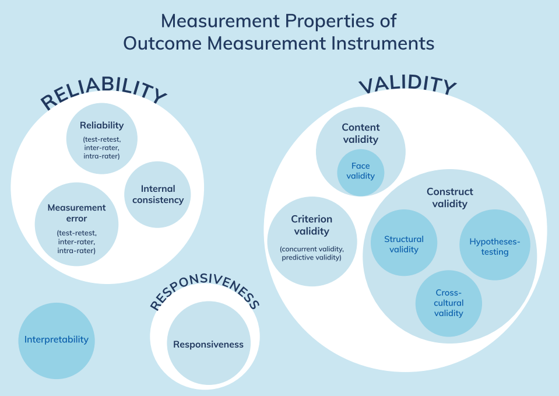
Figure 1. COSMIN taxonomy of measurement properties
The guideline panel defined the values listed in table 2 as sufficient measurement properties (according to COSMIN; see Prinsen, 2018). Responsiveness was further defined as the ability of the SARA to determine a change in ataxia severity over time.
The COSMIN Risk of Bias tool was used to assess the quality of included studies for each measurement property (Mokkink, 2024). The worst-score-counts method was used to determine the risk of bias, meaning that the lowest rating given in a box determines the final rating, i.e., the quality of the study.
Table 2. COSMIN definitions of measurement properties (Mokkink, 2010) and COSMIN criteria for sufficient measurement properties (Prinsen, 2018)
|
Measurement property |
Definition |
Criteria for sufficiency |
|
Reliability |
The degree to which the measurement is free from measurement error. |
|
|
Reliability |
The proportion of the total variance in the measurement which is due to ‘true’ differences between patients |
Intraclass correlation coefficient or weighted Kappa ≥ 0.70 |
|
Responsiveness |
The ability of an instrument to detect change over time in the construct to be measured |
The result is in accordance with the hypothesisc OR AUC ≥ 0.70 |
a To rate the quality of the summary score, the factor structures should be equal across studies.
b Unidimensionality refers to a factor analysis per subscale, while structural validity refers to a factor analysis of a (multidimensional) patient-reported outcome measure.
c The results of all studies should be taken together and it should then be decided if 75% of the results are in accordance with the hypotheses.
d This evidence may come from different studies.
In addition, feasibility was described by looking at reported time to administer, costs, personnel, and percentage of individuals for whom the test could be performed. This outcome measures described only and not assessed via GRADE methods.
Search and select (Methods)
A systematic literature search was performed by a medical information specialist using the following bibliographic databases: Embase.com and Ovid/Medline all. Both databases were searched from 2005 to March 7th, 2025 for systematic reviews, RCTs and observational studies. Systematic searches were completed using a combination of controlled vocabulary and natural language keywords. The overall search strategy was derived from the following primary search concepts: (1) cerebellar ataxia; (2) Scale for Assessment and Rating of Ataxia (SARA); (3) clinimetrics. Duplicates were removed using EndNote software. After deduplication a total of 470 records were imported for title/abstract screening. Initially, 44 studies were selected based on title and abstract screening. After reading the full text, 32 studies were excluded (see the exclusion table under the tab ‘Evidence tabellen’), and 12 studies were included.
- Berger M, Garcia-Moreno H, Ferreira M, Hubener-Schmid J, Schaprian T, Wegner P, Elter T, Teichmann KM, Santana MM, Grobe-Einsler M, Oender D, Koyak BSC, Bernsen S, Pereira de Almeida L, Silva P, Ribeiro JA, Cunha I, Gonzalez-Robles C, Khan S, Heslegrave A, Zetterberg H, Lima M, Raposo M, Ferreira AF, Vasconcelos J, van de Warrenburg BP, van Gaalen J, van Prooije TH, de Vries J, Schols L, Riess O, Synofzik M, Timmann D, Thieme A, Erdlenbruch F, Infante J, Pelayo-Negro AL, Manrique L, Reetz K, Dogan I, Oz G, Joers JM, Bushara K, Onyike C, Povazan M, Jacobi H, Schmahmann JD, Ratai EM, Schmid M, Giunti P, Klockgether T, Faber J. Progression of biological markers in spinocerebellar ataxia type 3: longitudinal analysis of prospective data from the ESMI cohort. Lancet Reg Health Eur. 2025 Jul 3;55:101339. doi: 10.1016/j.lanepe.2025.101339. PMID: 40678042; PMCID: PMC12270660.
- Bourcier D, Bélanger M, Côté I, Brais B, Synofzik M, Brisson JD, Rodrigue X, Gagnon MM, Mathieu J, Gagnon C. Documenting the psychometric properties of the scale for the assessment and rating of ataxia to advance trial readiness of Autosomal Recessive Spastic Ataxia of Charlevoix-Saguenay. J Neurol Sci. 2020 Oct 15;417:117050. doi: 10.1016/j.jns.2020.117050. Epub 2020 Jul 18. PMID: 32736199.
- Bürk K, Mälzig U, Wolf S, Heck S, Dimitriadis K, Schmitz-Hübsch T, Hering S, Lindig TM, Haug V, Timmann D, Degen I, Kruse B, Dörr JM, Ratzka S, Ivo A, Schöls L, Boesch S, Klockgether T, Klopstock T, Schulz JB. Comparison of three clinical rating scales in Friedreich ataxia (FRDA). Mov Disord. 2009 Sep 15;24(12):1779-84. doi: 10.1002/mds.22660. PMID: 19562766.
- Kuiper MJ, Brandsma R, Lawerman TF, Lunsing RJ, Keegstra AL, Burger H, De Koning TJ, Tijssen MAJ, Sival DA. Assessment of speech in early-onset ataxia: a pilot study. Dev Med Child Neurol. 2014 Dec;56(12):1202-1206. doi: 10.1111/dmcn.12517. Epub 2014 Jun 18. PMID: 24942085.
- Milne SC, Roberts M, Ross HL, Robinson A, Grove K, Modderman G, Williams S, Chua J, Grootendorst AC, Massey L, Szmulewicz DJ, Delatycki MB, Corben LA. Interrater Reliability of the Scale for the Assessment and Rating of Ataxia, Berg Balance Scale, and Functional Independence Measure Motor Domain in Individuals With Hereditary Cerebellar Ataxia. Arch Phys Med Rehabil. 2023 Oct;104(10):1646-1651. doi: 10.1016/j.apmr.2023.05.003. Epub 2023 Jun 1. PMID: 37268274.
- Mokkink LB, Terwee CB, Patrick DL, Alonso J, Stratford PW, Knol DL, Bouter LM, de Vet HC. The COSMIN study reached international consensus on taxonomy, terminology, and definitions of measurement properties for health-related patient-reported outcomes. J Clin Epidemiol. 2010 Jul;63(7):737-45. doi: 10.1016/j.jclinepi.2010.02.006. PMID: 20494804.
- Mokkink LB, Elsman E, Terwee CB. The COSMIN guideline for systematic reviews of Patient-Reported Outcome Measures (PROMs). Qual Life Res. 2024; doi: 10.1007/s11136-024-03761-6.
- Monte TL, Reckziegel ER, Augustin MC, Silva ASP, Locks-Coelho LD, Barsottini O, Pedroso JL, Vargas FR, Saraiva-Pereira ML, Leotti VB, Jardim LB; Rede Neurogenética. NESSCA Validation and Responsiveness of Several Rating Scales in Spinocerebellar Ataxia Type 2. Cerebellum. 2017 Aug;16(4):852-858. doi: 10.1007/s12311-017-0855-8. PMID: 28456900.
- Moulaire P, Poulet PE, Petit E, Klockgether T, Durr A, Ashisawa T, Tezenas du Montcel S; READISCA Consortium. Temporal Dynamics of the Scale for the Assessment and Rating of Ataxia in Spinocerebellar Ataxias. Mov Disord. 2023 Jan;38(1):35-44. doi: 10.1002/mds.29255. Epub 2022 Oct 23. PMID: 36273394; PMCID: PMC9851985.
- Prinsen CAC, Mokkink LB, Bouter LM, Alonso J, Patrick DL, de Vet HCW, Terwee CB. COSMIN guideline for systematic reviews of patient-reported outcome measures. Qual Life Res. 2018 May;27(5):1147-1157. doi: 10.1007/s11136-018-1798-3. Epub 2018 Feb 12. PMID: 29435801; PMCID: PMC5891568.
- Schmitz-Hübsch T, du Montcel ST, Baliko L, Berciano J, Boesch S, Depondt C, Giunti P, Globas C, Infante J, Kang JS, Kremer B, Mariotti C, Melegh B, Pandolfo M, Rakowicz M, Ribai P, Rola R, Schöls L, Szymanski S, van de Warrenburg BP, Dürr A, Klockgether T, Fancellu R. Scale for the assessment and rating of ataxia: development of a new clinical scale. Neurology. 2006 Jun 13;66(11):1717-20. doi: 10.1212/01.wnl.0000219042.60538.92. Erratum in: Neurology. 2006 Jul 25;67(2):299. Fancellu, Roberto [added]. PMID: 16769946.
- Schmitz-Hübsch T, Fimmers R, Rakowicz M, Rola R, Zdzienicka E, Fancellu R, Mariotti C, Linnemann C, Schöls L, Timmann D, Filla A, Salvatore E, Infante J, Giunti P, Labrum R, Kremer B, van de Warrenburg BP, Baliko L, Melegh B, Depondt C, Schulz J, du Montcel ST, Klockgether T. Responsiveness of different rating instruments in spinocerebellar ataxia patients. Neurology. 2010 Feb 23;74(8):678-84. doi: 10.1212/WNL.0b013e3181d1a6c9. PMID: 20177122.
- Taheri Amin A, Faber J, Önder D, Kimmich O, Synofzik M, Ashizawa T, Klockgether T, Grobe-Einsler M. Comparison of Live and Remote Video Ratings of the Scale for Assessment and Rating of Ataxia. Mov Disord Clin Pract. 2023 Aug 7;10(9):1404-1407. doi: 10.1002/mdc3.13843. PMID: 37772290; PMCID: PMC10525045.
- Vizcarra JA, Casey HL, Hamedani AG, Gomez CM. Reliability of remote video ratings of the scale for assessment and rating of ataxia. Parkinsonism Relat Disord. 2025 Mar;132:107278. doi: 10.1016/j.parkreldis.2025.107278. Epub 2025 Jan 13. PMID: 39832443.
- Weyer A, Abele M, Schmitz-Hübsch T, Schoch B, Frings M, Timmann D, Klockgether T. Reliability and validity of the scale for the assessment and rating of ataxia: a study in 64 ataxia patients. Mov Disord. 2007 Aug 15;22(11):1633-7. doi: 10.1002/mds.21544. PMID: 17516493.
- Wilke C, Pellerin D, Mengel D, Traschütz A, Danzi MC, Dicaire MJ, Neumann M, Lerche H, Bender B, Houlden H; RFC1 study group; Züchner S, Schöls L, Brais B, Synofzik M. GAA-FGF14 ataxia (SCA27B): phenotypic profile, natural history progression and 4-aminopyridine treatment response. Brain. 2023 Oct 3;146(10):4144-4157. doi: 10.1093/brain/awad157. PMID: 37165652.
- Winser SJ, Chan AYY, Chung R, Whitney S, Kannan P. Validity of balance measures in cerebellar ataxia: A prospective study with 12-month follow-up. PM R. 2023 Jun;15(6):742-750. doi: 10.1002/pmrj.12826. Epub 2022 Jul 8. PMID: 35474301.
- Yabe I, Matsushima M, Soma H, Basri R, Sasaki H. Usefulness of the Scale for Assessment and Rating of Ataxia (SARA). J Neurol Sci. 2008 Mar 15;266(1-2):164-6. doi: 10.1016/j.jns.2007.09.021. Epub 2007 Oct 22. PMID: 17950753.
Risk of Bias tables
Assessment of risk of bias for reliability
|
Reliability |
|||||
|
Instrument: Scale for the Assessment and Rating of Ataxia (SARA) |
|||||
|
|
very good (++) |
Adequate (+) |
Doubtful (-) |
Inadequate (--) |
NA |
|
Design requirements |
|
|
|
|
|
|
Were patients stable on the construct to be measured in the time between the repeated measurements? |
Evidence provided that patients were stable |
Assumable that patients were stable |
Unclear if patients were stable |
Patients were NOT stable |
- |
|
Was the time interval between the repeated measurements appropriate? |
Time interval appropriate |
- |
Doubtful whether time interval was appropriate OR time interval was not stated |
Time interval NOT appropriate |
- |
|
Were the measurement conditions similar for the repeated measurements – except for the condition being evaluated? |
Measurement conditions were similar (evidence provided) |
Assumable that measurement conditions were similar |
Unclear if measurement conditions were similar |
Measurement conditions were NOT similar |
|
|
Statistical methods |
|
|
|
|
|
|
For continuous scores: was an intraclass correlation coefficient (ICC) calculated? |
ICCagreement was or can be calculated |
(ICCconsistency, Pearson or Spearman correlation coefficient was calculated, OR the ICC model or formula was not described)
WITH evidence provided that no systematic change between measurements has occurred
OR ICCone-way was calculated |
(ICCconsistency, Pearson or Spearman correlation coefficient was calculated OR the ICC model or formula was not described)
WITHOUT evidence provided that no systematic change between measurements has occurred |
(ICCconsistency, Pearson or Spearman correlation coefficient was calculated OR the ICC model or formula was not described)
WITH evidence provided that a systematic change between measurements has occurred |
Not applicable |
|
For dichotomous scores: was kappa calculated? |
Kappa calculated |
- |
- |
- |
Not applicable |
|
For nominal scores: was an unweighted kappa calculated |
Unweighted kappa calculated |
- |
- |
- |
Not applicable |
|
For ordinal scores: was a weighted kappa calculated? |
Weighted kappa calculated and the weighting scheme was described |
Kappa calculated, but weighting scheme not described |
Unweighted Kappa calculated or unclear if weighting was applied |
- |
Not applicable |
|
Other |
|
|
|
|
|
|
Were there any other important flaws in the design or statistical methods of the study? |
No other important methodological flaws |
- |
Other minor methodological flaws
|
Other important methodological flaws |
- |
Risk of Bias assessment for reliability
|
|
Burk (2009) |
Kuiper (2014) |
Milne (2023) |
Schmidt- Hübsch (2006) |
Schmidt-Hübsch (2010) |
Taheri Amin, (2023) |
Viscarra (2025) |
Weyer (2007) |
Yabe (2008) |
|
Design requirements |
|
|
|
|
|
|
|
|
|
|
Were patients stable on the construct to be measured in the time between the repeated measurements? |
+ |
- |
++ |
++ |
++ |
++ |
++ |
++ |
++ |
|
Was the time interval between the repeated measurements appropriate? |
++ |
- |
++ |
++ (unclear for test-restest: -) |
++ |
++ |
++ (unclear for intra-rater) |
++ (unclear for intra-rater) |
- |
|
Were the measurement conditions similar for the repeated measurements – except for the condition being evaluated? |
+ |
+ |
++ |
+ |
++ |
++ |
++ |
+ |
+ |
|
Statistical methods |
|
|
|
|
|
|
|
|
|
|
For continuous scores: was an intraclass correlation coefficient (ICC) calculated? |
- |
+ |
++ |
++ |
++ |
+ ICC, only random effect + B-A |
++ |
+ |
- |
|
Other |
|
|
|
|
|
|
|
|
|
|
Were there any other important flaws in the design or statistical methods of the study? |
++ |
++ |
++ |
- Unclear how cases assessed for test-retest reliability were chosen, possible selection bias |
++ |
++ |
++ |
++ |
-- No description of in- and exclusion criteria. No description of group characteristics |
Risk of bias for responsiveness
|
Responsiveness (construct approach: i.e. hypotheses testing: before and after intervention) |
|||||
|
Instrument: Scale for the Assessment and Rating of Ataxia (SARA) |
|||||
|
|
very good (++) |
Adequate (+) |
Doubtful (-) |
Inadequate (--) |
NA |
|
Design requirements |
|
|
|
|
|
|
Was an adequate description provided of the intervention given? |
Adequate description of the intervention |
- |
Poor description of the intervention |
No description of the intervention |
- |
|
Statistical methods |
|
|
|
|
|
|
Were statistical methods appropriate for the before-after comparison being made? |
Statistical methods applied appropriate |
Assumable that statistical method was appropriate |
Statistical method applied NOT optimal |
Statistical method applied NOT appropriate |
- |
|
Other |
|
|
|
|
|
|
Were there any other important flaws in the design or statistical methods of the study? |
No other important methodological flaws |
- |
Other minor methodological flaws (no funding or potential conflict of interests reported) |
Other important methodological flaws |
- |
Risk of bias assessment for responsiveness
|
|
Bourcier (2020) |
Monte (2017) |
Schmidt-Hübsch (2010) |
Winser (2022) |
|
Design requirements |
|
|
|
|
|
Was an adequate description provided of the intervention given? |
++ |
++ |
++ |
++ |
|
Statistical methods |
|
|
|
|
|
Were statistical methods appropriate for the before-after comparison being made? |
-- |
+ |
+ |
+ |
|
Other |
|
|
|
|
|
Were there any other important flaws in the design or statistical methods of the study? |
-(unclear if results are in accordance with hypothesis) |
|
|
|
Table of excluded studies
|
Reference |
Reason for exclusion |
|
Chan E, Charles P, Ribai P, Goizet C, Marelli C, Vincitorio CM, Le Bayon A, Guyant-Maréchal L, Vandenberghe N, Anheim M, Devos D, Freeman L, Le Ber I, N'Guyen K, Tchikviladzé M, Labauge P, Hannequin D, Brice A, Durr A, du Montcel ST. Quantitative assessment of the evolution of cerebellar signs in spinocerebellar ataxias. Mov Disord. 2011 Feb 15;26(3):534-8. doi: 10.1002/mds.23531. Epub 2011 Feb 1. PMID: 21287600.
|
No hypothesis on responsiveness of SARA score.
|
|
Damato V, Papi C, Spagni G, Evoli A, Silvestri G, Masi G, Sabatelli E, Campetella L, McKeon A, Andreetta F, Riso V, Monte G, Luigetti M, Primiano G, Calabresi P, Iorio R. Clinical features and outcome of patients with autoimmune cerebellar ataxia evaluated with the Scale for the Assessment and Rating of Ataxia. Eur J Neurol. 2022 Feb;29(2):564-572. doi: 10.1111/ene.15161. Epub 2021 Nov 9. PMID: 34710286; PMCID: PMC9564532. |
No hypothesis on responsiveness of SARA score.
|
|
Tezenas du Montcel S, Charles P, Goizet C, Marelli C, Ribai P, Vincitorio C, Anheim M, Guyant-Maréchal L, Le Bayon A, Vandenberghe N, Tchikviladzé M, Devos D, Le Ber I, N'Guyen K, Cazeneuve C, Tallaksen C, Brice A, Durr A. Factors influencing disease progression in autosomal dominant cerebellar ataxia and spastic paraplegia. Arch Neurol. 2012 Apr;69(4):500-8. doi: 10.1001/archneurol.2011.2713. PMID: 22491195. |
No hypothesis on responsiveness of SARA score.
|
|
Gagnon C, Lessard I, Lavoie C, Côté I, St-Gelais R, Mathieu J, Brais B. An exploratory natural history of ataxia of Charlevoix-Saguenay: A 2-year follow-up. Neurology. 2018 Oct 2;91(14):e1307-e1311. doi: 10.1212/WNL.0000000000006290. Epub 2018 Aug 29. PMID: 30158165; PMCID: PMC6177270. |
Outcome not adhering to PICO
|
|
Hamdan A, Hendrickx N, Hooker AC, Chen X, Comets E, Traschütz A, Schüle R; ARCA Study Group; EVIDENCE‐RND Consortium; Mentré F, Synofzik M, Karlsson MO. Longitudinal Analysis of Natural History Progression of Rare and Ultra-Rare Cerebellar Ataxias Using Item Response Theory. Clin Pharmacol Ther. 2024 Dec;116(6):1593-1605. doi: 10.1002/cpt.3466. Epub 2024 Oct 15. PMID: 39403821. |
Outcome not adhering to PICO
|
|
Ilg, W. and Müller, B. and Faber, J. and van Gaalen, J. and Hengel, H. and Vogt, I. R. and Hennes, G. and van de Warrenburg, B. and Klockgether, T. and Schöls, L. and Synofzik, M. 2022 Digital gait biomarkers, but not clinical ataxia scores, allow to capture 1-year longitudinal change in Spinocerebellar ataxia type 3 (SCA3) |
No predefined hypothesis for responsiveness |
|
Ilg W, Müller B, Faber J, van Gaalen J, Hengel H, Vogt IR, Hennes G, van de Warrenburg B, Klockgether T, Schöls L, Synofzik M; ESMI Consortium. Digital Gait Biomarkers Allow to Capture 1-Year Longitudinal Change in Spinocerebellar Ataxia Type 3. Mov Disord. 2022 Nov;37(11):2295-2301. doi: 10.1002/mds.29206. Epub 2022 Aug 31. PMID: 36043376. |
No outcomes according to PICO |
|
Jacobi H, Bauer P, Giunti P, Labrum R, Sweeney MG, Charles P, Dürr A, Marelli C, Globas C, Linnemann C, Schöls L, Rakowicz M, Rola R, Zdzienicka E, Schmitz-Hübsch T, Fancellu R, Mariotti C, Tomasello C, Baliko L, Melegh B, Filla A, Rinaldi C, van de Warrenburg BP, Verstappen CC, Szymanski S, Berciano J, Infante J, Timmann D, Boesch S, Hering S, Depondt C, Pandolfo M, Kang JS, Ratzka S, Schulz J, Tezenas du Montcel S, Klockgether T. The natural history of spinocerebellar ataxia type 1, 2, 3, and 6: a 2-year follow-up study. Neurology. 2011 Sep 13;77(11):1035-41. doi: 10.1212/WNL.0b013e31822e7ca0. Epub 2011 Aug 10. PMID: 21832228; PMCID: PMC3174068. |
Wrong study design: predictive modelling, No predefined hypothesis for responsiveness |
|
Lee YC, Liao YC, Wang PS, Lee IH, Lin KP, Soong BW. Comparison of cerebellar ataxias: A three-year prospective longitudinal assessment. Mov Disord. 2011 Sep;26(11):2081-7. doi: 10.1002/mds.23809. Epub 2011 May 28. PMID: 21626567. |
Wrong study design: predictive modelling, No predefined hypothesis for responsiveness |
|
Maas RPPWM, Teerenstra S, Lima M, Pires P, Pereira de Almeida L, van Gaalen J, Timmann D, Infante J, Onyike C, Bushara K, Jacobi H, Reetz K, Santana MM, Afonso Ribeiro J, Hübener-Schmid J, de Vries JJ, Synofzik M, Schöls L, Garcia-Moreno H, Giunti P, Faber J, Klockgether T, van de Warrenburg BPC. Differential Temporal Dynamics of Axial and Appendicular Ataxia in SCA3. Mov Disord. 2022 Sep;37(9):1850-1860. doi: 10.1002/mds.29135. Epub 2022 Jul 8. PMID: 35808813; PMCID: PMC9540189. |
No predefined hypothesis for responsiveness |
|
Marelli C, Figoni J, Charles P, Anheim M, Tchikviladze M, Vincitorio CM, du Montcel ST, Brice A, Golmard JL, Dürr A. Annual change in Friedreich's ataxia evaluated by the Scale for the Assessment and Rating of Ataxia (SARA) is independent of disease severity. Mov Disord. 2012 Jan;27(1):135-8. doi: 10.1002/mds.23879. Epub 2011 Nov 10. PMID: 22076850. |
No predefined hypothesis for responsiveness |
|
Marquer A, Barbieri G, Pérennou D. The assessment and treatment of postural disorders in cerebellar ataxia: a systematic review. Ann Phys Rehabil Med. 2014 Mar;57(2):67-78. doi: 10.1016/j.rehab.2014.01.002. Epub 2014 Feb 6. PMID: 24582474. |
Descriptive study, no meta-analysis |
|
Matsushima M, Yabe I, Oba K, Sakushima K, Mito Y, Takei A, Houzen H, Tsuzaka K, Yoshida K, Maruo Y, Sasaki H. Comparison of Different Symptom Assessment Scales for Multiple System Atrophy. Cerebellum. 2016 Apr;15(2):190-200. doi: 10.1007/s12311-015-0686-4. PMID: 26093615. |
SRMs , No predefined hypothesis for responsiveness |
|
Tanguy Melac A, Mariotti C, Filipovic Pierucci A, Giunti P, Arpa J, Boesch S, Klopstock T, Müller Vom Hagen J, Klockgether T, Bürk K, Schulz JB, Reetz K, Pandolfo M, Durr A, Tezenas du Montcel S; EFACTS group. Friedreich and dominant ataxias: quantitative differences in cerebellar dysfunction measurements. J Neurol Neurosurg Psychiatry. 2018 Jun;89(6):559-565. doi: 10.1136/jnnp-2017-316964. Epub 2017 Dec 26. PMID: 29279305. |
Wrong aim: compares to ataxia rating scales
|
|
Milne SC, Murphy A, Georgiou-Karistianis N, Yiu EM, Delatycki MB, Corben LA. Psychometric properties of outcome measures evaluating decline in gait in cerebellar ataxia: A systematic review. Gait Posture. 2018 Mar;61:149-162. doi: 10.1016/j.gaitpost.2017.12.031. Epub 2018 Jan 4. PMID: 29351857.
|
Only one relevant study (Yabe, 2008). This study is included in the literature summary. |
|
Monte TL, Reckziegel EDR, Augustin MC, Locks-Coelho LD, Santos ASP, Furtado GV, de Mattos EP, Pedroso JL, Barsottini OP, Vargas FR, Saraiva-Pereira ML, Camey SA, Leotti VB, Jardim LB; Rede Neurogenética. The progression rate of spinocerebellar ataxia type 2 changes with stage of disease. Orphanet J Rare Dis. 2018 Jan 25;13(1):20. doi: 10.1186/s13023-017-0725-y. PMID: 29370806; PMCID: PMC5785809. |
No predefined hypothesis for responsiveness |
|
Moulaire P, Poulet PE, Petit E, Klockgether T, Durr A, Ashisawa T, Tezenas du Montcel S; READISCA Consortium. Temporal Dynamics of the Scale for the Assessment and Rating of Ataxia in Spinocerebellar Ataxias. Mov Disord. 2023 Jan;38(1):35-44. doi: 10.1002/mds.29255. Epub 2022 Oct 23. PMID: 36273394; PMCID: PMC9851985. |
No predefined hypothesis for responsiveness |
|
Pandolfo M. Neurologic outcomes in Friedreich ataxia: Study of a single-site cohort. Neurol Genet. 2020 Mar 20;6(3):e415. doi: 10.1212/NXG.0000000000000415. PMID: 32337342; PMCID: PMC7164967. |
No predefined hypothesis for responsiveness |
|
Perez-Lloret S, van de Warrenburg B, Rossi M, Rodríguez-Blázquez C, Zesiewicz T, Saute JAM, Durr A, Nishizawa M, Martinez-Martin P, Stebbins GT, Schrag A, Skorvanek M; members of the MDS Rating Scales Review Committee. Assessment of Ataxia Rating Scales and Cerebellar Functional Tests: Critique and Recommendations. Mov Disord. 2021 Feb;36(2):283-297. doi: 10.1002/mds.28313. Epub 2020 Oct 6. PMID: 33022077. |
Descriptive study, references checked for study inclusion. |
|
Petit E, Schmitz-Hübsch T, Coarelli G, Jacobi H, Heinzmann A, Figueroa KP, Perlman SL, Gomez CM, Wilmot GR, Schmahmann JD, Ying SH, Zesiewicz TA, Paulson HL, Shakkottai VG, Bushara KO, Kuo SH, Geschwind MD, Xia G, Pulst SM, Subramony SH, Ewenczyk C, Brice A, Durr A, Klockgether T, Ashizawa T, Tezenas du Montcel S. SARA captures disparate progression and responsiveness in spinocerebellar ataxias. J Neurol. 2024 Jul;271(7):3743-3753. doi: 10.1007/s00415-024-12475-1. Epub 2024 Jun 1. PMID: 38822840; PMCID: PMC11571887. |
No predefined hypothesis for responsiveness |
|
Porcu L, Fichera M, Nanetti L, Rulli E, Giunti P, Parkinson MH, Durr A, Ewenczyk C, Boesch S, Nachbauer W, Indelicato E, Klopstock T, Stendel C, Rodríguez de Rivera FJ, Schöls L, Fleszar Z, Giordano I, Didszun C, Castaldo A, Rai M, Klockgether T, Pandolfo M, Schulz JB, Reetz K, Mariotti C; EFACTS Study Group. Longitudinal changes of SARA scale in Friedreich ataxia: Strong influence of baseline score and age at onset. Ann Clin Transl Neurol. 2023 Nov;10(11):2000-2012. doi: 10.1002/acn3.51886. Epub 2023 Aug 28. PMID: 37641437; PMCID: PMC10647003. |
No predefined hypothesis for responsiveness |
|
Potashman M, Popoff E, Powell L, Mackenzie A, Beiner MW, Coric V, Schmahmann J, L'Italien G. Psychometric Validation of the Modified Functional Scale for the Assessment and Rating of Ataxia (f-SARA) in Patients With Spinocerebellar Ataxia. Cerebellum. 2024 Oct;23(5):2095-2108. doi: 10.1007/s12311-024-01707-9. Epub 2024 Jun 12. PMID: 38865059; PMCID: PMC11489232. |
Test-retest reliability of a different form of the SARA, the f-SARA, |
|
Pulido-Valdeolivas I, Gómez-Andrés D, Sanz-Gallego I, Rausell E, Arpa J. Patterns of motor signs in spinocerebellar ataxia type 3 at the start of follow-up in a reference unit. Cerebellum Ataxias. 2016 Feb 23;3:4. doi: 10.1186/s40673-016-0042-6. PMID: 26909158; PMCID: PMC4763420. |
No predefined hypothesis for responsiveness |
|
Reetz K, Dogan I, Hilgers RD, Giunti P, Parkinson MH, Mariotti C, Nanetti L, Durr A, Ewenczyk C, Boesch S, Nachbauer W, Klopstock T, Stendel C, Rodríguez de Rivera Garrido FJ, Rummey C, Schöls L, Hayer SN, Klockgether T, Giordano I, Didszun C, Rai M, Pandolfo M, Schulz JB; EFACTS study group. Progression characteristics of the European Friedreich's Ataxia Consortium for Translational Studies (EFACTS): a 4-year cohort study. Lancet Neurol. 2021 May;20(5):362-372. doi: 10.1016/S1474-4422(21)00027-2. Epub 2021 Mar 23. PMID: 33770527. |
No predefined hypothesis for responsiveness |
|
Reetz K, Dogan I, Hilgers RD, Giunti P, Mariotti C, Durr A, Boesch S, Klopstock T, de Rivera FJR, Schöls L, Klockgether T, Bürk K, Rai M, Pandolfo M, Schulz JB; EFACTS Study Group. Progression characteristics of the European Friedreich's Ataxia Consortium for Translational Studies (EFACTS): a 2 year cohort study. Lancet Neurol. 2016 Dec;15(13):1346-1354. doi: 10.1016/S1474-4422(16)30287-3. Erratum in: Lancet Neurol. 2017 Dec;16(12):954. doi: 10.1016/S1474-4422(17)30368-X. PMID: 27839651. |
SRMs No predefined hypothesis for responsiveness |
|
Reoli R, Therrien A, Millar J, Hill N, Varghese R, Roemmich R, Whitall J, Bastian A, Keller J. The Scale for Assessment and Rating of Ataxia Is Reliable and Valid in the Telehealth Setting for Patients With Cerebellar Ataxia. Phys Ther. 2024 Mar 1;104(3):pzad166. doi: 10.1093/ptj/pzad166. PMID: 38051602; PMCID: PMC10921830.
|
Population does not adhere to PICO
|
|
Saute JA, Donis KC, Serrano-Munuera C, Genis D, Ramirez LT, Mazzetti P, Pérez LV, Latorre P, Sequeiros J, Matilla-Dueñas A, Jardim LB; Iberoamerican Multidisciplinary Network for the Study of Movement Disorders (RIBERMOV) Study Group. Ataxia rating scales--psychometric profiles, natural history and their application in clinical trials. Cerebellum. 2012 Jun;11(2):488-504. doi: 10.1007/s12311-011-0316-8. PMID: 21964941. |
Descriptive study, references checked for study inclusion. |
|
Shirai S, Yabe I, Takahashi-Iwata I, Matsushima M, Ito YM, Takakusaki K, Sasaki H. The Responsiveness of Triaxial Accelerometer Measurement of Gait Ataxia Is Higher than That of the Scale for the Assessment and Rating of Ataxia in the Early Stages of Spinocerebellar Degeneration. Cerebellum. 2019 Aug;18(4):721-730. doi: 10.1007/s12311-019-01025-5. PMID: 30993540. |
No predefined hypothesis for responsiveness |
|
Traschütz A, Adarmes-Gómez AD, Anheim M, Baets J, Brais B, Gagnon C, Gburek-Augustat J, Doss S, Hanağası HA, Kamm C, Klivenyi P, Klockgether T, Klopstock T, Minnerop M, Münchau A, Renaud M, Santorelli FM, Schöls L, Thieme A, Vielhaber S, van de Warrenburg BP, Zanni G, Hilgers RD; PREPARE Consortium; Synofzik M. Responsiveness of the Scale for the Assessment and Rating of Ataxia and Natural History in 884 Recessive and Early Onset Ataxia Patients. Ann Neurol. 2023 Sep;94(3):470-485. doi: 10.1002/ana.26712. Epub 2023 Jun 12. PMID: 37243847. |
Responsivness not described following COSMIN criteria - |
|
van Prooije TH, Kapteijns KCJ, van Asten JJA, IntHout J, Verbeek MM, Scheenen TWJ, van de Warrenburg BP. Multimodal, Longitudinal Profiling of SCA1 Identifies Predictors of Disease Severity and Progression. Ann Neurol. 2024 Oct;96(4):774-787. doi: 10.1002/ana.27032. Epub 2024 Aug 3. PMID: 39096063. |
Wrong study design: prediction model. No predefined hypothesis for responsiveness |
|
Winser SJ, Smith CM, Hale LA, Claydon LS, Whitney SL. Clinical assessment of balance using BBS and SARAbal in cerebellar ataxia: Synthesis of findings of a psychometric property analysis. Hong Kong Physiother J. 2018 Jun;38(1):53-61. doi: 10.1142/S1013702518500063. Epub 2018 Apr 4. PMID: 30930579; PMCID: PMC6385546. |
CA secondary to MS, Populations does not adhere to PICO
|
Beoordelingsdatum en geldigheid
Publicatiedatum : 23-09-2026
Beoordeeld op geldigheid : 23-09-2026
Algemene gegevens
De herziening van deze richtlijnmodule werd ondersteund door het Kennisinstituut van de Federatie Medisch Specialisten (www.demedischspecialist.nl/kennisinstituut) en werd gefinancierd door de Stichting Kwaliteitsgelden Medisch Specialisten (SKMS). De financier heeft geen enkele invloed gehad op de inhoud van de richtlijnmodule.
Samenstelling werkgroep
Voor het ontwikkelen van de richtlijnmodule is in 2024 een multidisciplinaire werkgroep ingesteld, bestaande uit vertegenwoordigers van alle relevante specialismen (zie hiervoor de Samenstelling van de werkgroep) die betrokken zijn bij de zorg voor volwassenen met cerebellaire ataxie.
Werkgroep
- Prof. dr. B.P.C. (Bart) van de Warrenburg, Neuroloog, werkzaam bij het Radboudumc, NVN (voorzitter)
- Drs. J.J. (Jeroen) de Vries, Neuroloog, werkzaam bij het UMC Groningen en het Universitair Centrum Ouderengeneeskunde, NVN
- Dr. M.J.(Maarten) Titualaer, Neuroloog, werkzaam bij het ErasmusMC Rotterdam, NVN
- Drs. J. (Judith) van Gaalen, Neuroloog, werkzaam bij Rijnstate en Radboudumc, NVN
- Drs. T.H. (Teije) van Prooije, werkzaam bij het Radboudumc, NVN
- Dr. L.I. (Lennard) Boon, AIOS-neurologie, werkzaam bij het Amsterdam UMC, NVN
- Dr. H.J.R. (Hanneke) Duijnhoven, Revalidatiearts, werkzaam bij het Radboudumc, VRA
- Dr. J. (Jetty) van Meeteren, Revalidatiearts, werkzaam bij het ErasmusMC Rijndam, VRA
- Drs. M (Meyke) Schouten, Klinisch geneticus, werkzaam bij het Radboudumc Nijmegen, VKGN
- Dr. L. (Laura) Donker Kaat, Klinisch geneticus, werkzaam bij het ErasmusMC Rotterdam, VKGN
- Dr. E.J. (Erik-Jan) Kamsteeg, Laboratoriumspecialist klinische genetica, werkzaam bij het Radboudumc, VKGL
- Drs. J. (Jolien) Visser, Vertegenwoordiger wetenschapscommissie, Ataxie Vereniging Nederland
Met ondersteuning van
- Dr. M. (Merel) Wassenaar, adviseur, Kennisinstituut van de Federatie Medisch Specialisten
- Dr. I.J. (Ilse) Blokland, adviseur, Kennisinstituut van de Federatie Medisch Specialisten
- Drs. A. (Astrid) Dorhout, junior adviseur, Kennisinstituut van de Federatie Medisch Specialisten
- Drs. D.A.M. (Danique) Middelhuis, adviseur, Kennisinstituut van de Federatie Medisch Specialisten
- A. (Alies) Oost, informatiespecialist, Kennisinstituut van de Federatie Medisch Specialisten
Belangenverklaringen
Een overzicht van de belangen van werkgroepleden en het oordeel over het omgaan met eventuele belangen vindt u in onderstaande tabel. De ondertekende belangenverklaringen zijn op te vragen bij het secretariaat van het Kennisinstituut van de Federatie Medisch Specialisten via secretariaat@kennisinstituut.nl.
Gemelde (neven)functies en belangen werkgroep
|
Naam |
Hoofdfunctie |
Nevenwerkzaamheden |
Persoonlijke financiële belangen |
Persoonlijke relaties |
Extern gefinancierd onderzoek |
Intellectuele belangen en reputatie |
Overige belangen |
Datum |
Restrictie |
|
Bart van de Warrenburg (voorzitter) |
Neuroloog Radboudumc |
Onbezoldigd: Medisch Adviseur Ataxievereniging Medisch Adviseur Spierziekten Nederland Voorzitter MDS Ataxia Study Group Board member ERN-RND Member Scientific Advisory Board Cure Rare Disease Member Ataxia Global initiative (AGI) Voorzitter Advisory Committee Therapeutics (ACT) Ataxia (deel AGI)
Consultancy (betaald aan Radboudumc) voor Biogen, Vico, Servier, Biohaven Pharmaceuticals |
Geen |
Geen |
Ja ZonMw; Projecten SCA1, VIMP-project, ACT-MD project, projectleider Ja Hersenstichting;Projecten drug repurposing CACNA1A, SCA7, cerebellaire tDCS, projectleider Ja Vico Therapeutics; Klinische trials AON,projectleider Klinische trials AON FARA; Projecten rond Friedreich, projectleider Ja Servier; ESMI/SCA3 project, projectleider Nee |
Het betreft hier een richtlijn die voor een deel gaat over een groep zeldzame aandoening (de erfelijke ataxieën) waarvoor ik wel een KOL ben / boegbeeldfunctie heb |
Geen |
02-10-2024 |
Geen restricties |
|
Erik-Jan Kamsteeg |
Laboratoriumspecialist klinische genetica |
Geen |
Geen |
Geen |
Geen |
Geen |
Geen |
01-08-2024 |
Geen restricties |
|
Meyke Schouten |
Klinisch geneticus, Radboudumc, Nijmegen |
Geen |
Geen |
Geen |
Geen |
Geen |
Geen |
19-09-2024 |
Geen restricties |
|
Jetty van Meeteren |
Revalidatiearts Rijndam, locatie Erasmus MC |
Voorzitter Medische adviesraad ataxievereniging (niet betaald) Medisch advies commissie MSVN (niet betaald) |
Geen |
Geen |
Geen |
Positief effect voor voorzitter MAR ataxievereniging |
Geen |
19-09-2024 |
Geen restricties |
|
Laura Donker Kaat |
Klinisch geneticus bij Erasmus MC Rotterdam |
Geen |
Geen |
Geen |
Geen |
Geen |
Geen |
02-10-2024 |
Geen restricties |
|
Jeroen de vries |
UMC Groningen - Afdeling Neurologie - Neuroloog 0,5 fte (betaald) UMC Groningen - Afdeling Interne Geneeskunde/ Universitair Centrum Ouderengeneeskunde - Neuroloog 0,5 fte (betaald) |
RvC-lid Goedemorgen (Zorghuis voor mensen met dementie) (betaald) |
Adviesraad Biogen (tweemaal sessie) maar alle gelden zijn naar de algemene rekening van de afdeling Neurologie van het UMC Groningen gegaan, zodat ik er geen persoonlijk gewin uithaal ook niet qua onderzoek. |
Geen |
Geen |
Het Expertisecentrum Bewegingsstoornissen Groningen van het UMC Groningen kan baat hebben door bestendiging van lokaal aanwezige expertise. Persoonlijk baten kunnen zijn de betrokkenheid bij patiëntenorganisatie. |
Geen |
02-10-2024 |
Geen restricties |
|
Judith van Gaalen |
Neuroloog Rijnstate 0.8 fte Neuroloog Radboudumc 0.08 fte |
Diagnosewerkgroep Friedreich Ataxie Vereniging Spierziekten Nederland. Redacteur Nervus Medisch adviseur diagnose werkgroep Friedreich Ataxie VSN - onbetaald Redacteur Nervus - honorarium Eenmalige deelname adviesraad Biogen tav nieuw Friedreich medicijn - Consultancy. |
Geen |
Geen |
FARA - Friedreich |
Geen |
Geen |
14-10-2024 |
Geen restricties |
|
Lennard Boon |
AIOS-neurologie, Amsterdam UMC |
Geen. |
Geen. |
Geen |
Geen |
Geen |
Geen |
07-10-2024 |
Geen restricties |
|
Teije van Prooije |
AIOS-neurologie, Radboudumc |
Promovendus onderzoeksgroep zeldzame erfelijke bewegingstoornissen, afdeling Neurologie, Radboudumc |
Geen |
Geen |
grant van ZonMw- Natuurlijke beloop studie bij SCA1-geen projectleider |
Geen |
Geen |
14-10-2024 |
Geen restricties |
|
Jolien Visser |
Vertegenwoordiger wetenschapscommissie van de Ataxie Vereniging Nederland |
Fysiotherapeut en patiënt |
Geen |
Geen |
Geen |
Geen |
Geen |
23-10-2024 |
Geen restricties |
|
Hanneke van Duijnhoven |
Revalidatiearts Radboudumc |
Medisch adviseur diagnosegebonden werkgroep Friedreichse Ataxie van Spierziekte Nederland - onbetaald Lid werkgroep neurorevalidatie VRA - onbetaald Docent scholing gespecialiseerde paramedische eerstelijnszorg voor mensen met ataxie – betaald aan werkgever Expert advies Skyclarys op basis van consultancy - betaald aan mijn werkgever |
Geen |
Geen |
Geen |
hoofd multidisciplinaire polikliniek revalidatie binnen Radboudumc expertisecentrum voor zeldzame en erfelijke bewegingsstoornissen waaronder cerebellaire ataxie en friedreichse ataxie |
Geen |
12-11-2024 |
Geen restricties |
|
Maarten Titulaer |
Neuroloog, Erasmus MC Rotterdam |
- vice-voorzitter Hoofdredactieraad TNN (tijdschrift voor Neurologie en Neurochirurgie) - editorial board Neurology Neuroimmunology & Neurinflammation (onbezoldigd) - lid medische adviesraad ItsME (patientenorganisatie, charity, onbezoldigd) - lid medische adviesraad Encephalitis International (patientenorganisatie, charity, onbezoldigd) - lid medisch-wtenschappelijke adviesraad Autoimmune Encephalitis Alliance (patientenorganisatie, charity, onbezoldigd) - schrijver artikel UpToDate (royalties) - consultant Guidepoint Global LLC (kan gevraagd worden voor consulten met een initieel onbekende partner, ataxie niet genoemd als expertise; al enkele jaren geen consult meer via hun uitgevoerd, ondanks meerdere uitnodigingen) |
Consultancy voor opstarten trials in autoimmuun encefalitis (gelden betaald aan onderzoeksrekening Erasmus MC, niet persoonlijk): - AmGEN (anti-CD19 therapie) - UCB (FcRN blokkers) - ArgenX (FcRn blokkers; PROSE-vragenlijst) |
Geen |
ZonMW;ACT MD (autoimmuniteit en ataxie);PL nee ZonMW (2x)UltraAIE: single cell in AIE; PARADE-VIMP: antistoffen in (snelprogressieve) dementie;PL Ja EpilepsieNL & CSL Behring;AMICE: IVIg Dioraphte; PROMISE;PROMISE: patient-gerapporteerde uitkomsten in AIE; PL Ja NIH/NINDS/Univ of Utah; ExTINGUISH: fase 2b RCT Inebilizumab in NMDAR encephalitis;PJ Ja |
- copyright PROSE, patient reported outcome measure voor autoimmuun encefalitis, niet gericht op ataxie - patent over KCTD8/12/16 antistoffen icm GABAbR antistoffen ("filed a patent for methods for typing neurologic disorders and cancer, and devices for use therein"); potentieel profit zou zijn geweest voor Erasmus MC, maar niet verlengd. |
verricht antineuronale antistoftesten die niet commercieel beschikbaar of gevalideerd zijn voor diagnostiek van patienten in Nederland; de vergoeding vanuit de diagnostiek wordt gebruikt voor de antistoftesten en de tijd en inzet van analisten en raters (geen winstoogmerk, noch winst). Dit betreft ook antistoffen die voor ataxie relevant kunnen zijn. |
22-01-2025 |
Geen restricties |
Inbreng patiëntenperspectief
De werkgroep besteedde aandacht aan het patiëntenperspectief door de Ataxie Vereniging Nederland uit te nodigen voor de schriftelijke knelpuntenanalyse en een patiëntvertegenwoordiger namens Ataxie Vereniging Nederland was betrokken bij de ontwikkeling van de modules. De verkregen input is meegenomen bij het opstellen van de uitgangsvragen, de keuze voor de uitkomstmaten en bij het opstellen van de overwegingen. De conceptrichtlijn is tevens voor commentaar voorgelegd aan de Ataxie Vereniging Nederland en de eventueel aangeleverde commentaren zijn bekeken en verwerkt.
Kwalitatieve raming van mogelijke financiële gevolgen in het kader van de Wkkgz
Bij de richtlijnmodule voerde de werkgroep conform de Wet kwaliteit, klachten en geschillen zorg (Wkkgz) een kwalitatieve raming uit om te beoordelen of de aanbevelingen mogelijk leiden tot substantiële financiële gevolgen. Bij het uitvoeren van deze beoordeling is de richtlijnmodule op verschillende domeinen getoetst (zie het stroomschema bij Werkwijze).
|
Module |
Uitkomst raming |
Toelichting |
|
Klinimetrie bij ataxie |
Geen financiële gevolgen |
Uit de toetsing volgt dat de aanbeveling(en) niet breed toepasbaar zijn (<5.000 patiënten) en daarom naar verwachting geen substantiële financiële gevolgen zal hebben voor de collectieve uitgaven. |
Werkwijze
Voor meer details over de gebruikte richtlijnmethodologie verwijzen wij u naar de Werkwijze. Relevante informatie voor de herziening van deze richtlijn is hieronder weergegeven.
Zoekverantwoording
Algemene informatie
|
A systematic literature search was performed by a medical information specialist using the following bibliographic databases: Embase.com and Ovid/Medline all. Both databases were searched from 2005 to March 7th, 2025 for systematic reviews, RCTs and observational studies. Systematic searches were completed using a combination of controlled vocabulary and natural language keywords. The overall search strategy was derived from the following primary search concepts: (1) cerebellar ataxia; (2) Scale for Assessment and Rating of Ataxia (SARA); (3) clinimetrics. Duplicates were removed using EndNote software. After deduplication a total of 470 records were imported for title/abstract screening. |
Zoekstrategie
Embase.com
|
No. |
Query |
Results |
|
#1 |
'cerebellar ataxia'/de OR 'ataxia telangiectasia'/exp OR 'ataxia-telangiectasia-like disorder'/exp OR 'boucher neuhauser syndrome'/exp OR 'canvas syndrome'/exp OR 'friedreich ataxia'/exp OR 'hereditary ataxia'/exp OR 'marinesco sjogren syndrome'/exp OR 'multiple system atrophy cerebellar type'/exp OR 'refsum disease'/exp OR 'ataxic gait'/exp OR 'machado joseph disease'/exp OR 'narp syndrome'/exp OR 'olivopontocerebellar atrophy'/exp OR 'spinocerebellar degeneration'/exp OR 'cerebellum degeneration'/exp OR 'cerebellum atrophy'/exp OR 'sporadic ataxia'/exp OR ((ataxia* NEAR/4 (cerebell* OR cerebral OR spinocerebell* OR 'spino cerebell*' OR spinocerebral* OR 'spino cerebral*' OR friedreich* OR friedrich* OR fgf* OR sporadic OR hereditary OR inherited OR congenital* OR familial OR degenerative OR genetic OR msa OR telangiectatica OR teleangiectasia OR telangiectasia)):ti,ab,kw) OR ((spinal NEAR/2 ataxia*):ti,ab,kw) OR heredataxia*:ti,ab,kw OR heredoataxia*:ti,ab,kw OR (((spinocerebell* OR cerebell*) NEAR/3 (atroph* OR degeneration* OR msa)):ti,ab,kw) OR 'msa c':ti,ab,kw OR (((canvas OR cabv) NEAR/2 syndrome*):ti,ab,kw) OR (((machado OR joseph OR azorean OR dejerine OR refsum* OR narp) NEAR/2 (disease* OR syndrome*)):ti,ab,kw) OR (((olivopontocerebell* OR 'olivo ponto cerebell*' OR olivocerebell* OR 'olivo cerebell*') NEAR/3 (atroph* OR degenerat*)):ti,ab,kw) OR 'bar syndrome*':ti,ab,kw OR (('boucher neuhauser' NEAR/3 syndrome*):ti,ab,kw) OR ((marinesco NEAR/2 (sjoegren OR sjogren)):ti,ab,kw) |
58068 |
|
#2 |
((scale* NEAR/3 assess* NEAR/2 rating NEAR/3 ataxia):ti,ab,kw) OR sara:ti,ab,kw |
3933 |
|
#3 |
'intermethod comparison'/exp OR 'data collection method'/exp OR 'validation study'/exp OR 'feasibility study'/exp OR 'pilot study'/exp OR 'psychometry'/exp OR 'reproducibility'/exp OR reproducib*:ab,ti OR 'audit':ab,ti OR psychometr*:ab,ti OR clinimetr*:ab,ti OR clinometr*:ab,ti OR 'observer variation'/exp OR 'observer variation':ab,ti OR 'discriminant analysis'/exp OR 'validity'/exp OR reliab*:ab,ti OR valid*:ab,ti OR 'coefficient':ab,ti OR 'internal consistency':ab,ti OR (cronbach*:ab,ti AND ('alpha':ab,ti OR 'alphas':ab,ti)) OR 'item correlation':ab,ti OR 'item correlations':ab,ti OR 'item selection':ab,ti OR 'item selections':ab,ti OR 'item reduction':ab,ti OR 'item reductions':ab,ti OR 'agreement':ab,ti OR 'precision':ab,ti OR 'imprecision':ab,ti OR 'precise values':ab,ti OR 'test-retest':ab,ti OR ('test':ab,ti AND 'retest':ab,ti) OR (reliab*:ab,ti AND ('test':ab,ti OR 'retest':ab,ti)) OR 'stability':ab,ti OR 'interrater':ab,ti OR 'inter-rater':ab,ti OR 'intrarater':ab,ti OR 'intra-rater':ab,ti OR 'intertester':ab,ti OR 'inter-tester':ab,ti OR 'intratester':ab,ti OR 'interobeserver':ab,ti OR 'inter-observer':ab,ti OR 'intraobserver':ab,ti OR 'intertechnician':ab,ti OR 'inter-technician':ab,ti OR 'intratechnician':ab,ti OR 'interexaminer':ab,ti OR 'inter-examiner':ab,ti OR 'intraexaminer':ab,ti OR 'interassay':ab,ti OR 'inter-assay':ab,ti OR 'intraassay':ab,ti OR 'intra-assay':ab,ti OR 'interindividual':ab,ti OR 'inter-individual':ab,ti OR 'intraindividual':ab,ti OR 'intra-individual':ab,ti OR 'interparticipant':ab,ti OR 'inter-participant':ab,ti OR 'intraparticipant':ab,ti OR 'kappa':ab,ti OR 'kappas':ab,ti OR 'coefficient of variation':ab,ti OR repeatab*:ab,ti OR ((replicab*:ab,ti OR 'repeated':ab,ti) AND ('measure':ab,ti OR 'measures':ab,ti OR 'findings':ab,ti OR 'result':ab,ti OR 'results':ab,ti OR 'test':ab,ti OR 'tests':ab,ti)) OR generaliza*:ab,ti OR generalisa*:ab,ti OR 'concordance':ab,ti OR ('intraclass':ab,ti AND correlation*:ab,ti) OR 'discriminative':ab,ti OR 'known group':ab,ti OR 'factor analysis':ab,ti OR 'factor analyses':ab,ti OR 'factor structure':ab,ti OR 'factor structures':ab,ti OR 'dimensionality':ab,ti OR subscale*:ab,ti OR 'multitrait scaling analysis':ab,ti OR 'multitrait scaling analyses':ab,ti OR 'item discriminant':ab,ti OR 'interscale correlation':ab,ti OR 'interscale correlations':ab,ti OR (('error':ab,ti OR 'errors':ab,ti) AND (measure*:ab,ti OR correlat*:ab,ti OR evaluat*:ab,ti OR 'accuracy':ab,ti OR 'accurate':ab,ti OR 'precision':ab,ti OR 'mean':ab,ti)) OR 'individual variability':ab,ti OR 'interval variability':ab,ti OR 'rate variability':ab,ti OR 'variability analysis':ab,ti OR ('uncertainty':ab,ti AND ('measurement':ab,ti OR 'measuring':ab,ti)) OR 'standard error of measurement':ab,ti OR sensitiv*:ab,ti OR responsive*:ab,ti OR ('limit':ab,ti AND 'detection':ab,ti) OR 'minimal detectable concentration':ab,ti OR interpretab*:ab,ti OR (small*:ab,ti AND ('real':ab,ti OR 'detectable':ab,ti) AND ('change':ab,ti OR 'difference':ab,ti)) OR 'meaningful change':ab,ti OR 'minimal important change':ab,ti OR 'minimal important difference':ab,ti OR 'minimally important change':ab,ti OR 'minimally important difference':ab,ti OR 'minimal detectable change':ab,ti OR 'minimal detectable difference':ab,ti OR 'minimally detectable change':ab,ti OR 'minimally detectable difference':ab,ti OR 'minimal real change':ab,ti OR 'minimal real difference':ab,ti OR 'minimally real change':ab,ti OR 'minimally real difference':ab,ti OR 'ceiling effect':ab,ti OR 'floor effect':ab,ti OR 'item response model':ab,ti OR 'irt':ab,ti OR 'rasch':ab,ti OR 'differential item functioning':ab,ti OR 'dif':ab,ti OR 'computer adaptive testing':ab,ti OR 'item bank':ab,ti OR 'cross-cultural equivalence':ab,ti |
8692110 |
|
#4 |
#1 AND #2 AND #3 NOT ('conference abstract'/it OR 'editorial'/it OR 'letter'/it OR 'note'/it) NOT (('animal'/exp OR 'animal experiment'/exp OR 'animal model'/exp OR 'nonhuman'/exp) NOT 'human'/exp) AND [2005-2025]/py |
285 |
|
#5 |
'meta analysis'/exp OR 'systematic review'/exp OR 'scoping review'/exp OR 'rapid review'/exp OR 'umbrella review'/exp OR 'cochrane database of systematic reviews'/jt OR 'network meta-analysis'/exp OR 'networkmeta analy*':ti,ab,kw OR 'networkmetaanaly*':ti,ab,kw OR metaanaly*:ti,ab,kw OR 'meta analy*':ti,ab,kw OR metanaly*:ti,ab,kw OR prisma:ti,ab,kw OR prospero:ti,ab,kw OR metaanali*:ti,ab,kw OR 'meta anali*':ti,ab,kw OR metanali*:ti,ab,kw OR (((systemati* OR scoping OR umbrella OR 'structured literature') NEAR/3 (review* OR overview*)):ti,ab,kw) OR (((structured OR systemic*) NEAR/3 (review* OR overview* OR synth*) NEAR/3 literature):ti,ab,kw) OR ((systemic* NEAR/1 review*):ti,ab,kw) OR (((systemati* OR literature OR database* OR 'data base*') NEAR/10 search*):ti,ab,kw) OR (((structured OR comprehensive* OR systemic*) NEAR/3 search*):ti,ab,kw) OR (((literature NEAR/3 (review* OR overview*)):ti,ab,kw) AND (search*:ti,ab,kw OR database*:ti,ab,kw OR 'data base*':ti,ab,kw)) OR (('data extraction*':ti,ab,kw OR 'data source*':ti,ab,kw) AND ('study selection*':ti,ab,kw OR 'studies selection*':ti,ab,kw)) OR ('search strateg*':ti,ab,kw AND 'selection criteria*':ti,ab,kw) OR ('data source*':ti,ab,kw AND 'data synth*':ti,ab,kw) OR medline*:ti,ab,kw OR pubmed*:ti,ab,kw OR 'pub med*':ti,ab,kw OR embase:ti,ab,kw OR cochrane*:ti,ab,kw OR (((critical* OR rapid*) NEAR/2 (review* OR overview* OR synth*)):ti) OR ((((critical* OR rapid*) NEAR/3 (review* OR overview* OR synth*)):ab) AND (search*:ab OR database*:ab OR 'data base*':ab)) OR metasynth*:ti,ab,kw OR 'meta synth*':ti,ab,kw OR 'review* of review*':ti,ab,kw |
1087266 |
|
#6 |
'clinical trial'/exp OR 'randomization'/exp OR 'single blind procedure'/exp OR 'double blind procedure'/exp OR 'crossover procedure'/exp OR 'placebo'/exp OR 'prospective study'/exp OR rct:ab,ti OR random*:ab,ti OR 'single blind':ab,ti OR 'randomized controlled trial'/exp OR placebo*:ab,ti |
4223580 |
|
#7 |
'major clinical study'/de OR 'clinical study'/de OR 'family study'/de OR 'longitudinal study'/de OR 'retrospective study'/de OR 'prospective study'/de OR 'cohort analysis'/de OR 'case control study'/de OR 'comparative study'/exp OR 'control group'/de OR 'controlled study'/de OR 'controlled clinical trial'/de OR 'crossover procedure'/de OR 'double blind procedure'/de OR 'phase 2 clinical trial'/de OR 'phase 3 clinical trial'/de OR 'phase 4 clinical trial'/de OR 'pretest posttest design'/de OR 'pretest posttest control group design'/de OR 'quasi experimental study'/de OR 'single blind procedure'/de OR 'triple blind procedure'/de OR ((cohort NEAR/1 (study OR studies)):ab,ti) OR (('case control' NEAR/1 (study OR studies)):ab,ti) OR (('follow up' NEAR/1 (study OR studies)):ab,ti) OR (observational NEAR/1 (study OR studies)) OR ((epidemiologic NEAR/1 (study OR studies)):ab,ti) OR (('cross sectional' NEAR/1 (study OR studies)):ab,ti) OR (((control OR controlled) NEAR/6 trial):ti,ab,kw) OR (((control OR controlled) NEAR/6 (study OR studies)):ti,ab,kw) OR (((control OR controlled) NEAR/1 active):ti,ab,kw) OR 'open label*':ti,ab,kw OR (((double OR two OR three OR multi OR trial) NEAR/1 (arm OR arms)):ti,ab,kw) OR ((allocat* NEAR/10 (arm OR arms)):ti,ab,kw) OR placebo*:ti,ab,kw OR 'sham-control*':ti,ab,kw OR (((single OR double OR triple OR assessor) NEAR/1 (blind* OR masked)):ti,ab,kw) OR nonrandom*:ti,ab,kw OR 'non-random*':ti,ab,kw OR 'quasi-experiment*':ti,ab,kw OR crossover:ti,ab,kw OR 'cross over':ti,ab,kw OR 'parallel group*':ti,ab,kw OR 'factorial trial':ti,ab,kw OR ((phase NEAR/5 (study OR trial)):ti,ab,kw) OR ((case* NEAR/6 (matched OR control*)):ti,ab,kw) OR ((match* NEAR/6 (pair OR pairs OR cohort* OR control* OR group* OR healthy OR age OR sex OR gender OR patient* OR subject* OR participant*)):ti,ab,kw) OR ((propensity NEAR/6 (scor* OR match*)):ti,ab,kw) OR versus:ti OR vs:ti OR compar*:ti OR ((compar* NEAR/1 study):ti,ab,kw) OR (('observational study'/de OR 'cross-sectional study'/de OR 'multicenter study'/de OR 'correlational study'/de OR 'follow up'/de OR cohort*:ti,ab,kw OR 'follow up':ti,ab,kw OR followup:ti,ab,kw OR longitudinal*:ti,ab,kw OR prospective*:ti,ab,kw OR retrospective*:ti,ab,kw OR observational*:ti,ab,kw OR 'cross sectional*':ti,ab,kw OR cross?ectional*:ti,ab,kw OR multicent*:ti,ab,kw OR 'multi-cent*':ti,ab,kw OR consecutive*:ti,ab,kw) AND (group:ti,ab,kw OR groups:ti,ab,kw OR subgroup*:ti,ab,kw OR versus:ti,ab,kw OR vs:ti,ab,kw OR compar*:ti,ab,kw OR 'odds ratio*':ab OR 'relative odds':ab OR 'risk ratio*':ab OR 'relative risk*':ab OR 'rate ratio':ab OR aor:ab OR arr:ab OR rrr:ab OR ((('or' OR 'rr') NEAR/6 ci):ab))) |
17868885 |
|
#8 |
#4 AND #5 |
10 |
|
#9 |
#4 AND #6 NOT #8 |
92 |
|
#10 |
#4 AND #7 NOT (#8 OR #9) |
151 |
|
#11 |
#4 NOT (#8 OR #9 OR #10) |
32 |
Ovid/Medline
|
# |
Searches |
Results |
|
1 |
exp Cerebellar Ataxia/ or exp Spinocerebellar Degenerations/ or exp Gait Ataxia/ or Multiple System Atrophy/ or Olivopontocerebellar Atrophies/ or (ataxia* adj4 (cerebell* or cerebral or spinocerebell* or 'spino cerebell*' or spinocerebral* or 'spino cerebral*' or friedreich* or friedrich* or fgf* or sporadic or hereditary or inherited or congenital* or familial or degenerative or genetic or msa or telangiectatica or teleangiectasia or telangiectasia)).ti,ab,kf. or (spinal adj2 ataxia*).ti,ab,kf. or heredataxia*.ti,ab,kf. or heredoataxia*.ti,ab,kf. or ((spinocerebell* or cerebell*) adj3 (atroph* or degeneration* or msa)).ti,ab,kf. or 'msa c'.ti,ab,kf. or ((canvas or cabv) adj2 syndrome*).ti,ab,kf. or ((machado or joseph or azorean or dejerine or refsum* or narp) adj2 (disease* or syndrome*)).ti,ab,kf. or ((olivopontocerebell* or 'olivo ponto cerebell*' or olivocerebell* or ' olivo cerebell*') adj3 (atroph* or degenerat*)).ti,ab,kf. or 'bar syndrome*'.ti,ab,kf. or ('boucher neuhauser' adj3 syndrome*).ti,ab,kf. or (Marinesco adj2 (Sjoegren or Sjogren)).ti,ab,kf. |
39034 |
|
2 |
((scale* adj3 assess* adj2 rating adj3 ataxia) or sara).ti,ab,kf. |
2468 |
|
3 |
(instrumentation or methods).fs. or Validation Study/ or Comparative Study/ or exp Psychometrics/ or psychometr*.ti,ab,kf. or clinimetr*.ti,ab,kf. or clinometr*.ti,ab,kf. or exp Outcome Assessment, Health Care/ or outcome assessment.ti,ab,kf. or outcome measure*.ti,ab,kf. or exp Observer Variation/ or observer variation.ti,ab,kf. or exp Health Status Indicators/ or exp "reproducibility of results"/ or reproducib*.ti,ab,kf. or exp Discriminant Analysis/ or reliab*.ti,ab,kf. or unreliab*.ti,ab,kf. or valid*.ti,ab,kf. or coefficient.ti,ab,kf. or homogeneity.ti,ab,kf. or homogeneous.ti,ab,kf. or internal consistency.ti,ab,kf. or (cronbach* and (alpha or alphas)).ti,ab,kf. or (item and (correlation* or selection* or reduction*)).ti,ab,kf. or agreement.ti,ab,kf. or precision.ti,ab,kf. or imprecision.ti,ab,kf. or precise values.ti,ab,kf. or test-retest.ti,ab,kf. or (test and retest).ti,ab,kf. or (reliab* and (test or retest)).ti,ab,kf. or stability.ti,ab,kf. or interrater.ti,ab,kf. or inter-rater.ti,ab,kf. or intrarater.ti,ab,kf. or intra-rater.ti,ab,kf. or intertester.ti,ab,kf. or inter-tester.ti,ab,kf. or intratester.ti,ab,kf. or intra-tester.ti,ab,kf. or interobserver.ti,ab,kf. or inter-observer.ti,ab,kf. or intraobserver.ti,ab,kf. or intra-observer.ti,ab,kf. or intertechnician.ti,ab,kf. or inter-technician.ti,ab,kf. or intratechnician.ti,ab,kf. or intra-technician.ti,ab,kf. or interexaminer.ti,ab,kf. or inter-examiner.ti,ab,kf. or intraexaminer.ti,ab,kf. or intra-examiner.ti,ab,kf. or interassay.ti,ab,kf. or inter-assay.ti,ab,kf. or intraassay.ti,ab,kf. or intra-assay.ti,ab,kf. or interindividual.ti,ab,kf. or inter-individual.ti,ab,kf. or intraindividual.ti,ab,kf. or intra-individual.ti,ab,kf. or interparticipant.ti,ab,kf. or inter-participant.ti,ab,kf. or intraparticipant.ti,ab,kf. or intra-participant.ti,ab,kf. or kappa.ti,ab,kf. or kappa's.ti,ab,kf. or kappas.ti,ab,kf. or repeatab*.ti,ab,kf. or ((replicab* or repeated) and (measure or measures or findings or result or results or test or tests)).ti,ab,kf. or generaliza*.ti,ab,kf. or generalisa*.ti,ab,kf. or concordance.ti,ab,kf. or (intraclass and correlation*).ti,ab,kf. or discriminative.ti,ab,kf. or known group.ti,ab,kf. or factor analysis.ti,ab,kf. or factor analyses.ti,ab,kf. or factor structure.ti,ab,kf. or factor structures.ti,ab,kf. or dimension*.ti,ab,kf. or subscale*.ti,ab,kf. or (multitrait and scaling and (analysis or analyses)).ti,ab,kf. or item discriminant.ti,ab,kf. or interscale correlation*.ti,ab,kf. or error.ti,ab,kf. or errors.ti,ab,kf. or individual variability.ti,ab,kf. or (variability and (analysis or values)).ti,ab,kf. or (uncertainty and (measurement or measuring)).ti,ab,kf. or standard error of measurement.ti,ab,kf. or sensitiv*.ti,ab,kf. or responsive*.ti,ab,kf. or (limit and detection).ti,ab,kf. or minimal detectable concentration.ti,ab,kf. or interpretab*.ti,ab,kf. or ((minimal or minimally or clinical or clinically) and (important or significant or detectable) and (change or difference)).ti,ab,kf. or (small* and (real or detectable) and (change or difference)).ti,ab,kf. or meaningful change.ti,ab,kf. or ceiling effect.ti,ab,kf. or floor effect.ti,ab,kf. or item response model.ti,ab,kf. or irt.ti,ab,kf. or rasch.ti,ab,kf. or differential item functioning.ti,ab,kf. or dif.ti,ab,kf. or computer adaptive testing.ti,ab,kf. or item bank.ti,ab,kf. or cross-cultural equivalence.ti,ab,kf. |
12277881 |
|
4 |
(1 and 2 and 3) not (comment/ or editorial/ or letter/) not ((exp animals/ or exp models, animal/) not humans/) |
424 |
|
5 |
limit 4 to yr="2005 -Current" |
423 |
|
6 |
exp Meta-Analysis/ or exp Network Meta-Analysis/ or exp Systematic Review/ or (networkmeta analy* or networkmetaanaly* or metaanaly* or meta analy* or metanaly* or prisma or prospero or metaanali* or meta anali* or metanali*).ti,ab,kf. or ((systemati* or scoping or umbrella or structured literature) adj3 (review* or overview*)).ti,ab,kf. or ((structured or systemic*) adj3 (review* or overview* or synth*) adj3 literature).ti,ab,kf. or (systemic* adj1 review*).ti,ab,kf. or ((systemati* or literature or database* or data base*) adj10 search*).ti,ab,kf. or ((structured or comprehensive* or systemic*) adj3 search*).ti,ab,kf. or ((literature adj3 (review* or overview*)) and (search* or database* or data base*)).ti,ab,kf. or ((data extraction* or data source*) and (study selection* or studies selection*)).ti,ab,kf. or (search strateg* and selection criteria*).ti,ab,kf. or (data source* and data synth*).ti,ab,kf. or (medline* or pubmed* or pub med* or embase or cochrane*).ti,ab,kf. or cochrane.jw. or ((critical* or rapid*) adj2 (review* or overview* or synth*)).ti. or (((critical* or rapid*) adj3 (review* or overview* or synth*)) and (search* or database* or data base*)).ab. or metasynth*.ti,ab,kf. or meta synth*.ti,ab,kf. |
811534 |
|
7 |
exp clinical trial/ or randomized controlled trial/ or exp clinical trials as topic/ or randomized controlled trials as topic/ or Random Allocation/ or Double-Blind Method/ or Single-Blind Method/ or (clinical trial, phase i or clinical trial, phase ii or clinical trial, phase iii or clinical trial, phase iv or controlled clinical trial or randomized controlled trial or multicenter study or clinical trial).pt. or random*.ti,ab. or (clinic* adj trial*).tw. or ((singl* or doubl* or treb* or tripl*) adj (blind$3 or mask$3)).tw. or Placebos/ or placebo*.tw. |
2853313 |
|
8 |
Case-control Studies/ or clinical trial, phase ii/ or clinical trial, phase iii/ or clinical trial, phase iv/ or comparative study/ or control groups/ or controlled before-after studies/ or controlled clinical trial/ or double-blind method/ or historically controlled study/ or matched-pair analysis/ or single-blind method/ or (((control or controlled) adj6 (study or studies or trial)) or (compar* adj (study or studies)) or ((control or controlled) adj1 active) or "open label*" or ((double or two or three or multi or trial) adj (arm or arms)) or (allocat* adj10 (arm or arms)) or placebo* or "sham-control*" or ((single or double or triple or assessor) adj1 (blind* or masked)) or nonrandom* or "non-random*" or "quasi-experiment*" or "parallel group*" or "factorial trial" or "pretest posttest" or (phase adj5 (study or trial)) or (case* adj6 (matched or control*)) or (match* adj6 (pair or pairs or cohort* or control* or group* or healthy or age or sex or gender or patient* or subject* or participant*)) or (propensity adj6 (scor* or match*))).ti,ab,kf. or (confounding adj6 adjust*).ti,ab. or (versus or vs or compar*).ti. or exp cohort studies/ or epidemiologic studies/ or ((multicenter study/ or observational study/ or seroepidemiologic studies/ or (cohort* or 'follow up' or followup or longitudinal* or prospective* or retrospective* or observational* or multicent* or 'multi-cent*' or consecutive*).ti,ab,kf.) and ((group or groups or subgroup* or versus or vs or compar*).ti,ab,kf. or ('odds ratio*' or 'relative odds' or 'risk ratio*' or 'relative risk*' or aor or arr or rrr).ab. or (("OR" or "RR") adj6 CI).ab.)) or Case control.tw. or cohort.tw. or Cohort analy$.tw. or (Follow up adj (study or studies)).tw. or (observational adj (study or studies)).tw. or Longitudinal.tw. or Retrospective*.tw. or prospective*.tw. or consecutive*.tw. or Cross sectional.tw. or Cross-sectional studies/ or historically controlled study/ or interrupted time series analysis/ |
7940019 |
|
9 |
5 and 6 |
19 |
|
10 |
(5 and 7) not 9 |
150 |
|
11 |
(5 and 8) not (9 or 10) |
158 |
|
12 |
5 not (9 or 10 or 11) |
96 |