
Transjugulaire Intrahepatische Portosystemische Shunt (TIPS) - behandeling
Uitgangsvraag
Wat is de plaats van pre-emptieve (“early”) transjugulaire intrahepatische portosystemische shunt (TIPS) bij oesophagus- en maagvarixbloedingen?
Aanbeveling
Aanbeveling-1
Verricht pre-emptieve TIPS (binnen 72 uur) bij patiënten (Child-Pugh score B7 tot Child -Pugh score C12) met een succesvol behandelde oesophagusvarixbloeding.
Overweeg pre‑emptieve TIPS uitsluitend op individuele basis bij patiënten met Child‑Pugh score A.
Aanbeveling-2
Verricht pre-emptieve TIPS (binnen 72 uur) bij patiënten (Child-Pugh score A6 tot Child-Pugh score C12) met een succesvol behandelde maagvarixbloeding.
Aanbeveling-3
Verricht geen pre-emptieve TIPS (binnen 72 uur) bij patiënten met Child-Pugh score C >12 met een succesvol behandelde oesophagus- en/of maagvarixbloeding (met uitzondering van patiënten op de wachtlijst levertransplantatie).
Zie stroomschema Endoscopische behandeling van varixbloedingen en stroomschema TIPS-behandeling bij maag- en oesophagusvarixbloedingen voor het behandelalgoritme bij varixbloedingen.
Overwegingen
Balans tussen gewenste en ongewenste effecten
Er is een systematische zoekactie uitgevoerd naar de effecten van pre-emptieve transjugulaire intrahepatische portosystemische shunt (TIPS) geplaatst binnen 3 (en maximaal 5 dagen) na de succesvolle initiële behandeling vergeleken met standaardbehandeling bij patiënten met oesophagus- en maagvarixbloedingen.
Er werden vier gerandomiseerde onderzoeken over oesophagus varixbloedingen gevonden die aan de inclusiecriteria voldeden. Bij alle vier studies werden patiënten geïncludeerd met Child-Pugh score B7 tot en met Child-Pugh score C12.
Er werden drie gerandomiseerde onderzoeken over maagvarixbloedingen gevonden die aan de inclusiecriteria voldeden. Bij deze studies werden patiënten geïncludeerd met Child-Pugh score A6 tot en met Child-Pugh score C12.
- Het plaatsen van pre-emptieve TIPS bij patiënten met oesophagusvarixbloedingen heeft waarschijnlijk een klinisch relevant effect op de mortaliteit (cruciale uitkomstmaat) en incidentie van recidief bloedingen (cruciale uitkomstmaat), vergeleken met standaardbehandeling (GRADE redelijk).
- Het plaatsen van pre-emptieve TIPS bij maagvarixbloedingen kan mogelijk een effect hebben op de cruciale uitkomstmaten ‘mortaliteit’ en ‘recidief bloedingen’ (GRADE laag).
- Voor de belangrijke uitkomstmaat ‘hepatische encefalopathie’ bij oesophagus- en maagvarixbloedingen konden geen eenduidige conclusies worden getrokken, omdat het bewijs erg onzeker is (GRADE zeer laag).
Kwaliteit van bewijs
De overall kwaliteit van bewijs voor pre-emptieve TIPS bij oesophagusvarixbloeding is redelijk. Dit betekent dat we redelijk zeker zijn over het gevonden geschatte effect van de interventie op de cruciale uitkomstmaten.
Er is afgewaardeerd vanwege:
- Imprecisie: onnauwkeurigheid, omdat het betrouwbaarheidsinterval de grens van klinische relevantie overschrijdt.
De overall kwaliteit van bewijs voor de gevonden effecten van pre-emptieve TIPS bij maagvarixbloeding is laag. Dit betekent dat we onzeker zijn over het gevonden geschatte effect van interventie op de cruciale uitkomstmaten.
Er is afgewaardeerd vanwege ernstige:
- Risk of Bias: methodologische beperkingen van de studies.
- Imprecisie: onnauwkeurigheid, omdat het betrouwbaarheidsinterval de grens van klinische relevantie overschrijdt.
Waarden en voorkeuren van patiënten (en eventueel hun naasten/verzorgers)
Voor patiënten is het vooral belangrijk dat een varixbloeding zo effectief mogelijk wordt gestopt en dat de kans op een nieuwe bloeding en overlijden zo klein mogelijk is. Zij willen dat een early TIPS wordt ingezet wanneer dit aantoonbaar de uitkomsten verbetert, met name bij patiënten met een hoog risico. TIPS pakt het onderliggende probleem van een verhoogde druk in het poortadersysteem aan, waardoor het risico op opnieuw bloedingen en andere complicaties worden verminderd, en kan de overleving bij patiënten met levercirrose mogelijk worden verlengd. Tegelijk hechten patiënten veel waarde aan veiligheid, gezien de mogelijke complicaties van TIPS, zoals hepatische encefalopathie, waarbij klachten een grote invloed kunnen hebben op het dagelijks functioneren en de kwaliteit van leven. Daarom vinden zij het belangrijk dat zorgvuldig wordt afgewogen voor wie deze behandeling geschikt is en dat zij duidelijke uitleg krijgen over de voor- en nadelen, zodat zij kunnen meebeslissen.
Kostenaspecten
In een Nederlandse gerandomiseerde studie naar electieve TIPS (uitgevoerd >5 dagen na succesvolle endoscopische behandeling van een varixbloeding) uit 2016 (Holster, 2016) werd een kostenanalyse verricht (Harki, 2016). De totale kosten per patiënt, inclusief ziekenhuisopname, behandelingen en beeldvormende diagnostiek, bedroegen €27.415 voor de TIPS-groep en €16.762 voor de groep die uitsluitend endoscopische therapie ontving, berekend op prijsniveau 2014. De follow-upperiode bedroeg twee jaar. Op basis van deze gegevens lijkt het aannemelijk dat de kosten in de eerste twee jaar na een varixbloeding hoger zijn bij toepassing van TIPS. Voor de langere termijn, waarbij rekening moet worden gehouden met een mogelijk verlengde overleving en het uitblijven van recidiefbloedingen, kan op grond van de beschikbare data echter geen definitieve conclusie worden getrokken.
Gelijkheid ((health) equity/equitable)
Gezondheidsgelijkheid kan worden aangenomen, omdat er geen overtuigende redenen bestaan om dit te betwisten.
Aanvaardbaarheid
Ethische aanvaardbaarheid
Een varixbloeding bij een patiënt met portale hypertensie als gevolg van actief alcoholmisbruik kan een complex ethisch dilemma oproepen. Enerzijds vormt TIPS een bewezen en potentieel levensreddende interventie bij refractaire varixbloedingen. Anderzijds bestaat er in de klinische praktijk soms terughoudendheid om TIPS toe te passen bij patiënten met alcohol-gerelateerde leverziekte, omdat alcoholisme vaak wordt beschouwd als een zelf-geïnduceerde aandoening en omdat men vreest voor recidiverend schadelijk alcoholgebruik na de ingreep. Bovendien is er een zekere kans dat portale hypertensie en daarmee ook het risico op recidiverende bloedingen vermindert bij duurzaam staken van alcoholgebruik. In dat licht kan de meerwaarde van TIPS relatief afnemen, hetgeen de afweging tussen onmiddellijke interventie en het stimuleren van abstinentie verder complex maakt. Een verantwoorde benadering vereist daarom een zorgvuldige afweging tussen het recht van de patiënt op optimale behandeling, de verantwoordelijkheid van de arts om schade te voorkomen, en de bredere discussie over autonomie, verantwoordelijkheid en stigma in de context van verslavingsgeneeskunde.
Duurzaamheid
Er lijken geen duidelijke verschillen in duurzaamheid tussen beide interventies.
Haalbaarheid
Hoewel internationale richtlijnen (EASL, AASLD, ESGE) pre-emptieve TIPS aanbevelen bij hoog-risicopatiënten met oesofagusvarixbloeding, blijkt uit meerdere studies dat deze interventie slechts in 6-7% van de geïndiceerde gevallen wordt toegepast (Baiges et al., Dig Dis Sci 2025). De lage implementatiegraad is moeilijk te verklaren, aangezien twijfel over het overlevingsvoordeel en angst voor post-TIPS hepatische encefalopathie niet wetenschappelijk onderbouwd zijn. Mogelijk speelt de beperkte beschikbaarheid van TIPS buiten academische centra een rol, hoewel alle Nederlandse academische ziekenhuizen deze behandeling aanbieden of samenwerkingsafspraken hebben. Een vergelijkbare vertraging werd aanvankelijk gezien bij de introductie van tissue plasminogeen activator (tPA) bij acute cerebrale ischemie, maar dit werd door toenemende aandacht en bewustwording uiteindelijk overwonnen.
De termijn van 72 uur voor plaatsing van een pre-emptieve TIPS is aangehouden, omdat de geïncludeerde onderzoeken deze tijdsgrens hanteerden in de definitie van een pre-emptieve TIPS. Het vaststellen van de optimale timing van de TIPS-plaatsing was echter geen doel van deze studies.
In de dagelijkse praktijk kan plaatsing binnen 72 uur door logistieke factoren niet altijd haalbaar zijn. Recente inzichten, onder andere besproken tijdens de Baveno VIII-consensus en de EASL Liver Meeting 2026, suggereren dat het tijdsvenster voor een pre-emptieve TIPS mogelijk kan worden verruimd tot maximaal één week. Vooralsnog ontbreken echter gerandomiseerde onderzoeken die de optimale timing van een pre-emptieve TIPS hebben vastgesteld.
Het belangrijkste uitgangspunt is daarom dat patiënten met een indicatie voor een pre-emptieve TIPS deze behandeling zo spoedig mogelijk ontvangen, waarbij logistieke beperkingen in de praktijk kunnen betekenen dat de plaatsing later dan 72 uur na de indexgastroscopie plaatsvindt.
Rationale van aanbeveling-1: weging van argumenten voor en tegen de interventies
Op basis van de beschikbare literatuur concludeert de werkgroep dat het uitvoeren van een transjugulaire intrahepatische portosystemische shunt (TIPS) (bij voorkeur) binnen 72 uur na een succesvol behandelde oesofagusvarixbloeding – de zogenoemde pre‑emptieve TIPS – een duidelijk klinisch voordeel biedt voor een geselecteerde patiëntengroep. Dit voordeel geldt met name voor patiënten met levercirrose in Child‑Pugh score B (score 7–9) en Child‑Pugh score C (score 10–12). Dit advies ligt ook in lijn met de bestaande richtlijnen van BAVENO, AASLD en ESGE (de Franchis, 2022; Kaplan, 2024; Gralnek, 2022). In BAVENO VIII wordt gesuggereerd dat dit voordeel ook voor patiënten met MELD (Model of Endstage Liver Disease) score >20 geldt. Echter, dit betreft enkel een lange termijn subanalyse van het cohort van García-Pagán (2010) en is nog niet gepubliceerd of gevalideerd.
Voor patiënten met een Child‑Pugh score A is het bewijs voor de effectiviteit van pre‑emptieve TIPS zeer beperkt. Alleen in een Nederlandse gerandomiseerde studie naar electieve TIPS, zonder de tijdslimiet van 72 uur (Holster, 2016), werden patiënten met Child‑Pugh score A geïncludeerd. In deze subgroep werd, ook wanneer TIPS binnen 72 uur werd verricht, wel een significante reductie in recidiefbloeding gezien, maar geen verbetering in mortaliteit.
De werkgroep adviseert daarom om bij patiënten met Child‑Pugh score A een pre‑emptieve TIPS uitsluitend op individuele basis te overwegen, waarbij de potentiële voordelen zorgvuldig moeten worden afgewogen tegen de risico’s. De werkgroep concludeert dat het beschikbare bewijs onvoldoende is om een verhoogd risico op hepatische encefalopathie na TIPS te bevestigen. In de huidige literatuur is bovendien onduidelijk in welke mate profylaxe met lactulose gestandaardiseerd is toegepast, hetgeen de interpretatie van de resultaten bemoeilijkt. Daarnaast dient rekening te worden gehouden met het toenemende gebruik van rifaximine in de behandeling van post‑TIPS hepatische encefalopathie. Dit middel, dat in recente studies effectiever lijkt dan lactulose (Bureau, 2021), is pas relatief kort breed beschikbaar voor deze indicatie. Momenteel loopt een Nederlandse gerandomiseerde studie naar de effectiviteit van rifaximine in de preventie van post‑TIPS hepatische encefalopathie (NCT04073290; EudraCT 2018‑004323‑37).
Transveneuze obliteratie (TVO), zoals bijvoorbeeld BRTO (balloon-occluded retrograde transvenous obliteration) wordt zowel in de ESGE richtlijn, AASLD richtlijn als BAVENO VIII expliciet genoemd als overweging in plaats van TIPS. Alhoewel er enkele studies gepubliceerd zijn (Biswas, 2025; Wang 2020), beperken bestaande richtlijnen zich enkel tot de overweging om deze opties mee te nemen in individuele casus, bij voorkeur in expertise-centra (in nauw overleg met interventieradiologie). Deze huidige richtlijn sluit zich hierbij aan en geeft TVO mee als behandeloptie.
Eindoordeel:
Sterke aanbeveling voor (Doen).
Rationale van aanbeveling-2: weging van argumenten voor en tegen de interventies
Tot voor kort werd weinig onderscheid gemaakt tussen bloedingen uit oesofagus- en maagvarices, hoewel deze entiteiten duidelijke pathofysiologische verschillen vertonen. Oesofagusvarices ontstaan vrijwel uitsluitend als gevolg van portale hypertensie, al dan niet gerelateerd aan levercirrose, terwijl maagvarices daarnaast kunnen voorkomen bij vena‑portatrombose of pancreas-gerelateerde aandoeningen, zoals pancreatitis. Tevens verschillen beide varixtypen in bloedstroomsnelheid en veneuze drainagepatronen. Op basis van drie recente publicaties acht de werkgroep het bewijs voldoende om te adviseren een TIPS‑procedure binnen 72 uur na succesvolle endoscopische behandeling te verrichten bij patiënten met levercirrose en een maagvarixbloeding. Dit advies geldt voor dezelfde patiëntencategorie als bij oesofagusvarixbloedingen, inclusief patiënten met Child-Pughscore A. Ook hier geldt dat wij, in navolging van ESGE, AASLD en BAVENO VIII, ter overweging meegeven om TVO als behandeloptie mee te nemen in individuele casus, bij voorkeur in expertise-centra (in nauw overleg met interventieradiologie).
Er is enige ervaring in Nederland met aanvullende endoscopische opties, zoals EUS‑geleide coil‑embolisatie (EUS coils) van maagvarices in plaats van TIPS (Wang 2026), maar dit kan enkel overwogen worden in individuele gevallen en in nauwe samenspraak met EUS-scopisten met ervaring hiermee.
Voor maagvarixbloedingen met een andere etiologie dan portale hypertensie bij cirrose kan de werkgroep geen aanbeveling formuleren. In dergelijke gevallen dient de behandelstrategie individueel te worden bepaald, waarbij zowel EUS coils als TVO in overweging moeten worden genomen en enkel verricht in expertise-centra.
Eindoordeel:
Sterke aanbeveling voor (Doen).
Rationale van aanbeveling-3: weging van argumenten voor en tegen de interventies
Patiënten met een ernstig gedecompenseerde leverfunctie, gekarakteriseerd door een Child‑Pugh score C (13–15) en/of een MELD‑score ≥30, hebben een zeer ongunstige prognose. Bij het optreden van een varixbloeding is het risico op verdere klinische achteruitgang en het ontwikkelen van acute‑on‑chronic liver failure (ACLF) aanzienlijk.
Een gestoorde lactaatklaring (>30 mmol/l) vormt hierbij een belangrijke biomarker voor slechte uitkomst. Gezien de slechte algehele prognose en het feit dat deze patiëntengroep in de beschikbare studies systematisch werd geëxcludeerd, adviseert de werkgroep om deze patiënten niet in aanmerking te laten komen voor pre‑emptieve TIPS na succesvolle behandeling van een oesofagus‑ of maagvarixbloeding. Een uitzondering geldt voor patiënten met Child‑Pugh score C13–15, een MELD‑score ≥30 en/of een lactaatwaarde >30 mmol/l die reeds op de wachtlijst voor levertransplantatie staan. In dergelijke gevallen dient in overleg met het transplantatiecentrum zorgvuldig te worden afgewogen of pre‑emptieve TIPS alsnog geïndiceerd is.
Eindoordeel:
Sterke aanbeveling tegen (Niet doen).
Onderbouwing
The current standard of care for acute oesophageal variceal hemorrhage involves a multimodal approach comprising restrictive blood transfusion, administration of vasoactive agents, prophylactic antibiotics, and endoscopic intervention (either rubber band ligation or N-butyl-2-cyanoacrylate (e.g., Histoacryl) injection). In cases where endoscopic therapy fails to achieve hemostasis, additional measures such as placement of a Sengstaken–Blakemore tube or Linton-Nachlas (both limited to a maximum duration of 24–36 hours), insertion of an oesophageal stent, or performance of a transjugular intrahepatic portosystemic shunt (TIPS; referred to as “salvage TIPS”) or transvenous obliteration may be employed. Despite successful initial management, rebleeding occurs in approximately 10 - 20% of patients within five days. In the event of early rebleeding (<5 days), TIPS remains a viable option (“rescue TIPS”). Flowchart TIPS-behandeling bij maag- en oesophagusvarixbloedingen summarizes the evidence-based recommendations for the management of acute variceal bleeding as outlined by Baveno VII (de Franchis, 2022) and the European Society of Gastrointestinal Endoscopy (ESGE) guidelines (Gralnek, 2022).
At the moment of authorization of this guideline, the BAVENO VIII meeting has just taken place (March 27-28, 2026). The novel recommendations are included but these have not been published yet.
A variceal hemorrhage represents a severe complication of clinically significant portal hypertension, and despite effective endoscopic management, reduction of portal pressure remains a cornerstone of therapy to prevent recurrent bleeding. Treatment of portal hypertension is further associated with improved survival in patients with liver cirrhosis. To mitigate the risk of rebleeding following successful standard endoscopic therapy, a pre‑emptive transjugular intrahepatic portosystemic shunt (TIPS), or “early TIPS,” may be considered, ideally within 72 hours of the initial intervention, as evidence suggests that early TIPS placement can significantly improve survival outcomes. The principal clinical challenge, however, lies in accurately identifying which patients are most suitable candidates for pre‑emptive TIPS. Uncertainty persists regarding its efficacy in high‑risk individuals with advanced liver disease, in whom the balance between therapeutic benefit and potential harm remains difficult to determine. Moreover, the role of pre‑emptive TIPS in the context of the distinct pathophysiological and clinical characteristics of oesophageal versus gastric variceal bleeding warrants further investigation.
Summary of Findings
Oesophageal variceal bleeding
|
Outcome*
|
Study results and measurements |
Absolute effect estimates |
Certainty of the evidence (Quality of evidence) |
Summary |
|
|
Standard care |
TIPS |
||||
|
Mortality
|
Risk difference: -0.13 (CI 95% -0.22; -0.05) Based on data from 350 participants in 4 studies1
|
284 per 1000 |
154 per 1000 |
Moderate Due to serious imprecision2 |
The use of pre-emptive TIPS probably decreases mortality, compared to standard endoscopic treatment in adult patients with oesophageal variceal bleeding.
(Garcia-Pagan, 2010; Lv, 2019, Dunne 2020, Wang, 2023) |
|
Difference: 130 fewer per 1000
|
|||||
|
Variceal re-bleeding
|
Risk difference: -0.25 (CI 95% -0.36; -0.14) Based on data from 350 participants in 4 studies1
|
342 per 1000 |
97 per 1000 |
Moderate Due to serious imprecision2 |
The use of pre-emptive TIPS probably decreases the incidence of variceal rebleeding, compared to standard endoscopic treatment in adult patients with oesophageal variceal bleeding.
(Garcia-Pagan, 2010; Lv, 2019, Dunne 2020, Wang, 2023) |
|
Difference: 245 fewer per 1000
|
|||||
|
Hepatic encephalopathy
|
Risk difference: 0.06 (CI 95% -0.09; 0.21) Based on data from 350 participants in 4 studies1 |
265 per 1000 |
328 per 1000 |
Very low Due to serious imprecision2; Due to very serious inconsistency3 |
The evidence is very uncertain about the effect of pre-emptive TIPS on the incidence of hepatic encephalopathy, compared to standard endoscopic treatment in adult patients with oesophageal variceal bleeding.
(Garcia-Pagan, 2010; Lv, 2019, Dunne 2020, Wang, 2023) |
|
Difference: 63 more per 1000 |
|||||
1. Systematic review with included studies: Garcia-Pagan 2010, Lv 2019, Wang 2023, Dunne 2020.
2. Imprecision: serious. Due to 95% CI’s of the effect estimate overlapping the threshold(s) of clinical significance.
3. Inconsistency: serious. The direction of the effect is not consistent between the included studies.
*Outcomes as presented for total follow-up in the included studies.
Gastric variceal bleeding
|
Outcome
|
Study results and measurements |
Absolute effect estimates |
Certainty of the evidence
|
Summary |
|
|
standard endoscopic treatment |
TIPS |
||||
|
Mortality
|
Risk difference: -0.05 (CI 95% -0.13 - 0.04) Based on data from 278 participants in 3 studies1
|
178 per 1000 |
130 per 1000 |
Low Due to serious risk of bias2, Due to serious imprecision3 |
The use of TIPS may decrease mortality, compared to standard endoscopic treatment in adult patients with an acute gastric varicael bleeding.
(Escorcel 2023; Li, 2025; Cervoni 2025) |
|
Difference: 48 fewer per 1000
|
|||||
|
Rebleeding
|
Risk difference: -0.21 (CI 95% -0.44 - 0.03) Based on data from 278 participants in 3 studies1
|
264 per 1000 |
72 per 1000 |
Low Due to serious risk of bias2, Due to serious imprecision3 |
The use of TIPS may decrease the incidence of variceal rebleeding, compared to standard endoscopic treatment in adult patients with an acute gastric varicael bleeding.
(Escorcel 2023; Li, 2025; Cervoni 2025) |
|
Difference: 192 fewer per 1000
|
|||||
|
Hepatic encephalopathy
|
Risk difference: 0.07 (CI 95% -0.1 - 0.25) Based on data from 278 participants in 3 studies1
|
157 per 1000 |
253 per 1000 |
Very low Due to serious risk of bias2, Due to serious imprecision3, Due to serious inconsistency4 |
The evidence is very uncertain about the effect of TIPS on the incidence of hepatic encephalopathy, compared to standard endoscopic treatment in adult patients with an acute gastric varicael bleeding.
(Escorcel 2023; Li, 2025; Cervoni 2025) |
|
Difference: 96 more per 1000
|
|||||
1. Systematic review with included studies: Escorsell 2023, Cervoni 2025, Li 2025.
2. Risk of Bias: serious. Inadequate concealment of allocation during randomization process, resulting in potential for selection bias, Inadequate/lack of blinding of outcome assessors, resulting in potential for detection bias;
3. Imprecision: serious due to 95% CI’s of point estimate crossing the thresholds of clinical significance.
4. Inconsistency: serious. The direction of the effect is not consistent between the included studies, the magnitude of statistical heterogeneity was high, with I2: 59%.
Description of studies – oesophageal variceal bleeding
A total of four studies were included in the analysis of the literature (Garcia-Pagan, 2010; Lv, 2019; Dunne, 2020; Wang, 2023). All studies were open-label randomised-controlled trials, comparing early TIPS with standard endoscopic treatment for oesophageal varices bleeding.
Garcia-Pagan (2010) was a European multicentre RCT in adult patients (18-75 y.o.) with liver cirrhosis and acute oesophageal variceal bleeding. Patients had Child-Pugh class C disease or they had class B disease but with active bleeding at diagnostic endoscopy. Patients with a Child-Pugh score of 13 points according to the Child-Pugh classification, bleeding from gastric or ectopic varices, total portal-vein thrombosis were excluded from the study. The control arm was standard (endoscopic and pharmacological) treatment. In the intervention arm, patients received TIPS within 72 hrs of the diagnostic endoscopy.
The primary outcome was treatment failure, consisting of failure to control acute bleeding and failure to prevent rebleeding within 1 year of enrolment (one severe rebleeding episode or 2 less severe rebleeding episodes with TIPS as a rescue therapy). Mortality was assessed at 6 weeks and 1 year; rebleeding was assessed at day 5 and at 6 weeks, and from 6 weeks to 1 year.
Lv (2019) was a single-centre, open-label RCT, investigating early covered TIPS versus standard endoscopic treatment and was conducted in China. Patients (18-75 y.o.) had advanced liver cirrhosis (Child-Pugh class B or C) and acute oesophageal variceal bleeding. Patients were initially treated with EBL and pharmacological agents and were randomised to TIPS within 72 hrs or continuation of standard treatment (endoscopy + vasoactive drugs and propranolol with TIPS as rescue therapy). Patients with isolated gastric or ectopic varices bleeding were excluded. The primary endpoint was transplantation-free survival during a follow-up of 1 year.
Dunne (2020) conducted an open-label, parallel-group, randomised control trial at two UK centres, Royal Infirmary of Edinburgh and Glasgow Royal Infirmary. Patients (18-75 y.o.) with liver cirrhosis presenting with acute oesophageal variceal bleeding and subsequent haemostasis following treatment with vasoactive drugs and endoscopic band ligation were considered for inclusion in the trial. Exclusion criteria Child-Pugh score < 8 and > 13, inability to control bleeding at index endoscopy, previous porto-systemic shunt or TIPSS, previous pharmacotherapy and endoscopic band ligation, bleeding from isolated gastric or ectopic varices, known portal vein thrombosis, pregnancy, active cancer including hepatocellular carcinoma and recurrent hospital admissions with encephalopathy. The primary outcome was survival at one year.
Secondary outcomes included survival at six weeks; rates of early rebleeding (within six weeks) and late rebleeding (between six weeks and one year); and the development of hepatic encephalopathy.
Wang (2023) was open-label single-center RCT in West China Hospital of Sichuan, comparing TIPS and EVL plus propranolol for preventing variceal rebleeding in participants with cirrhosis. Participants (18-75 y.o.) with cirrhosis, a previous episode of oesophageal variceal bleeding in the past 28 days, and a Child-Pugh score of 7–13 were considered eligible for inclusion in this study. The exclusion criteria were noncirrhotic portal hypertension, previous second prophylaxis treatment, previous TIPS or surgical shunt placement, a history of overt HE, the presence of fundal gastric or ectopic varices, portal vein thrombosis, total bilirubin level of 51.3 μmol/L or higher, advanced malignancy, end-stage renal disease under renal replacement therapy, severe cardiopulmonary disease and pregnancy. The primary outcome was the incidence of recurrent variceal rebleeding, while the secondary endpoints included mortality, hepatic encephalopathy, adverse events and TIPS dysfunction.
Important study characteristics and results are summarized in table 3. The assessment of the risk of bias is summarized in the risk of bias tables (under the tab ‘Evidence tabellen’).
Description of studies – gastric variceal bleeding
Three studies were included in the analysis of the literature (Escorsell, 2023; Li, 2025; Cervoni, 2025). Both were open-label randomised RCT’s.
Escorsell (2023) was a multicentre RCT conducted in Spain in patients (>18 y.o.) with liver cirrhosis and an acute bleeding from isolated gastric varices type 1 (IGV1) and/or gastro-oesophageal varices type 2 (GOV2). Exclusion criteria were not mentioned. Patients were randomised to receive either standard care (cyanoacrylate injection and vasoactive drugs) or pre-emptive TIPS with or without collateral obliteration, according to the results of immediate post-TIPS portography. Both groups received initial treatment with vasoactive drugs and endoscopic cyanoacrylate injection. The main endpoint was rebleeding-free survival at 1 year (or until the last available control subject). Secondary endpoints included survival at 6 weeks, overall survival and incidence of rebleeding. The trial did not reach required sample size due to problems with enrolment (calculated sample size was 30 patients in each group).
Li (2025) was a single-centre randomised RCT conducted in China. Patients (>18 y.o.) with acute bleeding from IGV1 or a history of gastric variceal bleeding in the last 3 months were randomised to receive endoscopic clipping with cyanoacrylate injection (EC-CYA) or pre-emptive TIPS. In the TIPS group, gastric variceal embolization was performed during portal vein angiography, if considerable dilatation and tortuosity were detected in the left gastric vein, short gastric veins and/or posterior gastric vein. The primary endpoints were gastric variceal re-bleeding and technical success. Secondary endpoints included cumulative nonbleeding rates, cumulative survival rates, postoperative mortality, bleeding rates from other causes, ectopic embolism and hepatic encephalopathy.
Cervoni (2025) was an open-label, multicentre, parallel-group RCT conducted at 17 tertiary centers in France (GAVAPROSEC trial). Patients with liver cirrhosis (>18 y.o.) and acute fundal variceal bleeding (excluding type 1 gastro-oesophageal varices), who achieved initial haemostasis with endoscopic glue injection and vasoactive therapy, and remained stable for at least 12 h, were randomly assigned to receive either a covered p-TIPS within 72 h or to continue with on-demand glue obliteration sessions combined with non-selective β-blockers. Vasoactive drugs (octreotide, somatostatin, or terlipressin) were given according to local practice for 3–5 days and were discontinued after TIPS placement.
In the glue obliteration group, 20 (37%) patients required TIPS, 19 as a rescue treatment for variceal re-bleeding and one for portal vein thrombosis, after a median of 25 days (IQR 6–73). Among these 20 patients, 12 TIPS procedures were performed within the first 6 weeks following the initial bleeding event. The primary composite endpoint was all-cause mortality or clinically significant rebleeding within 1 year. Secondary endpoints were incidence of rebleeding, overall survival, and incidence of liver-related death at days 42, 90, 180, and 365; incidence of each cirrhosis-related complication (including hepatic encephalopathy); further decompensation during follow-up; type and frequency of TIPS-related complications; technical failures with TIPS and glue injection; type and frequency of glue injection-related complications; total number of packed red blood cell (RBC) units required; change of MELD score at day 180; and number of days of hospitalisation during follow-up.
Important study characteristics and results are summarized in table 4. The assessment of the risk of bias is summarized in the risk of bias tables (under the tab ‘Evidence tabellen’).
Table 3. Characteristics of included studies: oesophageal variceal bleeding
|
Study |
Participants |
Comparison |
Follow-up |
Risk of bias (per outcome measure)* |
|
Garcia-Pagan, 2010 |
N at baseline Intervention: 32 Control: 31
Age (mean, SD) Intervention: 52 ± 10 Control: 49 ± 6
Sex, male (n) Intervention: 21 Control: 23
Child-Pugh (n) Class B Intervention: 16 Control: 16 Class C Intervention: 16 Control: 15
Cause of liver cirrhosis (n) Alcohol Intervention: 22 Control: 20
HCV Intervention: 4 Control: 5
Other Intervention: 6 Control: 6
Endoscopic treatment for index bleeding Band ligation Intervention: 21 Control: 26 Injection sclerotherapy Intervention: 11 Control: 5 |
Intervention: early TIPS within 72 hrs after the initial endoscopy, or when possible within the first 24 hrs; e-PTFE-covered stents were dilated to 8 mm and 10 mm if portal-pressure gradient did not decrease to below 12 mm Hg. If TIPS was dysfunctional, a new stent or angiography was performed.
Control: combination of endoscopic treatment (elective EBL at day 7-14 after initial endoscopic treatment, scheduled to repeat each 10-14 days until eradication of varices was achieved), vasoactive drugs, prophylactic antibiotics
*endoscopic treatment = endoscopic band ligation (EBL) or endoscopic injection sclerotherapy (EIS) *vasoactive drugs= terlipressin, somatostatin or octreotide *at day 5 a beta-blocker was started |
1 month, 3 months, and every 3 months thereafter, up 24 months, liver transplantation, death or end of study |
Low (all outcomes) |
|
Lv, 2019 |
N at baseline Intervention: 84 Control: 45
Age (mean, SD) Intervention: 50.7 ± 11.6 Control: 50.9 ± 10.4
Sex, male (n) Intervention: 53 (63%) Control: 34 (76%)
Child-Pugh (n) Class B Intervention: 65 Control: 35 Class C (<=13 points) Intervention: 19 Control: 10
Cause of liver cirrhosis (n) Alcohol Intervention: 2 Control: 4
HCV+HBV Intervention: 65 Control: 38
Other Intervention: 17 Control: 3
Endoscopic treatment for index bleeding Band ligation Intervention: 80 Control: 42 Injection sclerotherapy Intervention: 4 Control: 3 |
Intervention: early TIPS (within the first 72 hrs) with covered stents after initial EBL/sclerotherapy
Control: initial EBL + vasoactive drugs, continuation of endoscopic therapy sessions within 7-14 days after initial EBL and every 14 days thereafter until eradication of varices; monitoring endoscopy each 6 months after eradication of varices and repeat endoscopic treatment as needed |
Follow-up visits were scheduled at 1 month, 3 months, 6 months and every 6 months thereafter, until death, liver transplantation, for a maximum of 2 years or 1 year after the inclusion of the last patient |
Low (all outcomes) |
|
Dunne, 2020 |
N at baseline Intervention: 29 Control: 29
Age (mean, SD) Intervention: 53 ± 10 Control: 48 ± 12
Sex, male (n) Intervention: 20 Control: 19
Child-Pugh (n) Class B Intervention:13 Control: 12 Class C Intervention: 16 Control: 17
Cause of liver cirrhosis (n) Alcohol Intervention: 28 Control: 26
HCV Intervention: 0 Control: 1
Other: Intervention: 1 Control: 2
Endoscopic treatment for index bleeding Band ligation Intervention: 29 Control: 29 Injection sclerotherapy Intervention: 0 Control: 0 |
Intervention: early TIPS: within 72 hrs after initial endoscopy
Control: initial endoscopic band ligation (within 12 hrs of presentation) + continued endoscopic band ligation sessions ± pharmacotherapy at 2-4 weekly intervals until variceal eradication, and then repeat endoscopy in 3-, then 6-monthly intervals |
Follow-up visits were scheduled at 6 weeks, 6 months and 1 year |
Low (all outcomes) |
|
Wang, 2023 |
N at baseline Intervention: 50 Control: 50
Age (median, IQR) Intervention: 49 (43-56) Control: 54 (45-60)
Sex, male (n) Intervention: 32 Control: 29
Child-Pugh (n) Class B Intervention: 43 Control: 44 Class C Intervention: 7 Control: 6
Cause of liver cirrhosis (n) Alcohol Intervention: 4 Control: 7
HCV+HBV Intervention: 38 Control: 32
Other Intervention: 8 Control: 11
Endoscopic treatment for index bleeding Band ligation Intervention: 50 Control: 50 Injection sclerotherapy Intervention: 0 Control: 0 |
Intervention: early TIPS after initial endoscopic therapy (EBL)
Control: Initial EBL + propranolol, continued EBL sessions every 4 weeks until eradication of varices, then endoscopic surveillance every 3-6 months and EBL if necessary |
Follow-up visits were scheduled every 6 months until death, liver transplantation or loss to follow-up |
Low (all outcomes) |
*For further details, see risk of bias table in the appendix.
Table 4. Characteristics of included studies - gastric variceal bleeding
|
Study |
Participants |
Comparison |
Follow-up |
Risk of bias (per outcome measure)* |
|
Escorsell, 2023 |
N at baseline Intervention: 10 Control: 11
Age (mean, SD) Intervention: 59 ± 12 Control: 67 ± 7
Sex, male (n) Intervention: 6 Control: 10
Child-Pugh (n) Class A Intervention: 3 Control: 5 Class B/C Intervention: 6 Control: 7
Cause of liver cirrhosis (n) Alcohol Intervention: 3 Control: 3
HCV Intervention: 1 Control: 6
Other Intervention: 5 Control: 3 |
Intervention: pre-emptive covered TIPS placed from day 1 to day 5 after admission, with or without collateral embolization, after initial therapy using vasoactive drugs + endoscopic variceal obturation with tissue adhesive
Control: standard of care (cyanoacrylate injection) and vasoactive drugs (somatostatin or terlipressin followed by propranolol or carvedilol at discharge)
Note1: 3 patients did not receive cyanoacrylate injection because TIPS was performed in the first 24 hrs after admission; in 1 patient collateral vessels were embolised without concomitant TIPS (the patient was still included in the analysis in the TIPS-group); 1 patient randomised to TIPS died before TIPS could be performed because of a massive bleeding; 4 patients received collateral embolisation in addition to TIPS (1 due to a final portal pressure gradient (PPG) >12mmHg; 3 because of post-TIPS portography showing persistent filling of large collaterals).
|
Follow-up: mean follow-up was 14 months in both groups; outcomes were reported at 6 weeks and over the full length of follow-up or until the last available control; |
HIGH (all outcomes) |
|
Li 2025 |
N at baseline Intervention: 80 Control: 76
Age (mean, SD) Intervention: 54.9 ± 12.0 Control: 57.3 ± 11.2
Sex, male (n) Intervention: 55 Control: 45
Child-Pugh (n) Class A: Intervention: 28 Control: 37 Class B Intervention: 47 Control: 37 Class C Intervention: 5 Control: 2
Cause of liver cirrhosis (n) Alcohol Intervention: 4 Control: 6 HCV+HBV Intervention: 63 Control: 54 Other Intervention: 13 Control: 16 Form of gastric varices (F2/F3) Intervention: 29/51 Control: 31/45 |
Intervention: pre-emptive TIPS
Control: endoscopic clipping with cyanoacrylate injection (EC-CYA), vasoactive drugs
|
Follow-up: the mean duration of follow up was 39.4 months in the TIPS group and 29.3 months in the control group; visits occurred 1, 3 and 6 months after randomisation, and continued every 6 months or upon clinical indications of recurrent portal hypertension, until death or 6 months after the final patients was enrolled.
|
Low (all outcomes) |
|
Cervoni 2025 |
N at baseline Intervention: 47 Control: 54
Age (mean, SD) Intervention: 57.7 ± 10.7 Control: 58.6 ± 8.8
Sex, male (n) Intervention: 40 (85%) Control: 41 (76%)
Child-Pugh (n) Class A: Intervention: 11 (23%) Control: 6 (11%) Class B Intervention: 23 (49%) Control: 31 (58%) Class C Intervention: 13 (28%) Control: 16 (30%)
Cause of liver cirrhosis (n) Alcohol Intervention: 44 (94%) Control: 47 (87%) Other Intervention: 3 Control: 7 Form of gastric varices (F2/F3) Intervention: n.a. Control: n.a. |
Intervention: pre-emptive TIPS within 72 hrs
Control: endoscopic glue injection, vasoactive drugs
|
Follow-up: median follow-up was 365 days (IQR 195–365); visits were scheduled at 7 days after the initial glue injection or at hospital discharge, and at 42 ± 7, 90 ± 14, 180 ± 14, and 365 ± 14 days after initial glue injection in both groups; |
Low (all outcomes) |
*For further details, see risk of bias table in the appendix.
Results
Oesophageal variceal bleeding
Mortality (critical outcome)
All four included RCTs reported mortality rates. A meta-analysis was performed (Figure 1). The pooled RD was -0.13 (95%CI: -0.22; -0.05). This difference was clinically significant.
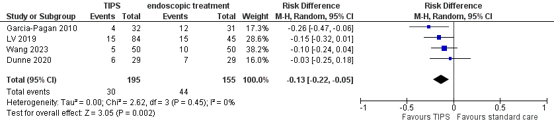
Figure 1. Forest plot of mortality - TIPS vs. standard endoscopic treatment for oesophageal variceal bleeding
Re-bleeding (critical outcome)
All four included RCTs reported variceal re-bleeding rates. A meta-analysis was performed (Figure 2). The pooled RD was -0.25 (95%CI -0.36; -0.14). This difference was clinically significant.
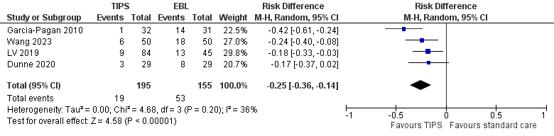
Figure 2. Forest plot of variceal re-bleeding at total follow-up - TIPS vs. standard endoscopic treatment for oesophageal variceal bleeding
Hepatic encephalopathy (important outcome)
All four included RCTs reported rates of hepatic encephalopathy. A meta-analysis was performed (Figure 3). The pooled RD was 0.06 (95%CI -0.09; 0.21). This difference was not clinically significant.
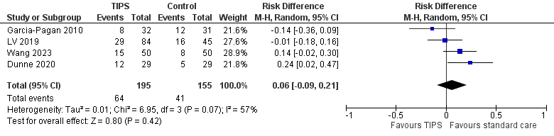
Figure 3. Forest plot of hepatic encephalopathy - TIPS vs. standard endoscopic treatment for oesophageal variceal bleeding
Gastric variceal bleeding
Mortality (critical outcome)
All three included studies reported mortality. A meta-analysis was performed (Figure 4), using the number of deaths as reported for at least 365 days of follow-up. The pooled RD was -0.05 (95% CI -0.13; 0.04)).
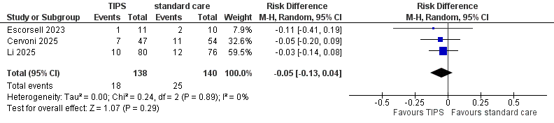
Figure 4. Forest plot of mortality - TIPS for gastric variceal bleeding vs. standard endoscopic treatment
Rebleeding (critical outcome)
All three studies reported variceal rebleeding. The definitions of the outcome per study are presented in Table 5.
A meta-analysis was performed (Figure 5), using data as reported for 365 days of follow-up in the included studies. The pooled RD was -0.21 (95%CI: -0.44; 0.03).
Table 5. Definition of the outcome ‘gastric variceal re-bleeding’ in the included studies
|
Author, year |
Definition |
|
Escorsell, 2023 |
|
|
Li, 2025 |
|
|
Cervoni, 2025 |
|
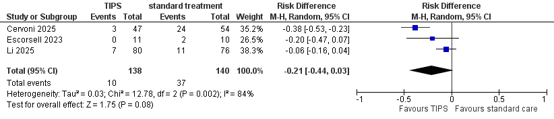
Figure 5. Forest plot of variceal re-bleeding - TIPS for gastric variceal bleeding vs. standard endoscopic treatment
Complications – hepatic encephalopathy (important outcome)
All three studies reported the incidence of hepatic encephalopathy. A meta-analysis was performed (Figure 6). The pooled risk difference for hepatic encephalopathy was RD 0.07 (95%CI -0.10; 0.25). This difference was not
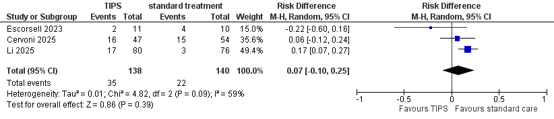
Figure 6. Forrest plot of hepatic encephalopathy - TIPS for gastric variceal bleeding vs. standard endoscopic treatment
A systematic review of the literature was performed to answer the following questions:
- What are the favourable and unfavourable effects of pre-emptive transjugular intrahepatic portosystemic shunt (TIPS) after a successful initial endoscopic treatment, compared to no TIPS in adults with an acute oesophageal variceal bleeding?
- What are the favourable and unfavourable effects of pre-emptive TIPS, compared to no TIPS in adults with an acute gastric variceal bleeding?
Table 1. PICO 1
| Patients | Adults with an acute oesophageal variceal bleeding for which they received successful endoscopic treatment |
| Intervention | Covered transjugular intrahepatic portosystemic shunt (TIPS) within 3 days or maximum 5 days after successful endoscopic treatment (“early TIPS”/ “pre-emptive TIPS”) |
| Control | No TIPS/ standard endoscopic treatment (e.g. variceal (rubber) band ligation)/ standard treatment |
| Outcomes | Mortality, rebleeding, complications (hepatic encephalopathy) |
| Other selection criteria | Study design: systematic reviews and randomized controlled trials |
Table 2. PICO 2
| Patients | Adults with an acute gastric variceal bleeding |
| Intervention | Pre-emptive (“early”) covered TIPS |
| Control | Standard treatment (e.g. cyanoacrylate injection, HistoAcryl glue injection, (rubber) band ligation) |
| Outcomes | Mortality, rebleeding, complications of TIPS (hepatic encephalopathy) |
| Other selection criteria | Study design: systematic reviews and randomized controlled trials |
Relevant outcome measures
The guideline panel considered mortality and rebleeding as critical outcome measures for decision making; and complications (hepatic encephalopathy) as an important outcome measure for decision making.
A priori, the guideline panel did not define the outcome measures listed above but used the definitions used in the studies.
The guideline panel defined the following thresholds as a minimal clinically (patient) important difference per outcome measure:
- mortality: risk difference (RD) ≥ 0.05 (5%);
- rebleeding: RD ≥ 0.20 (20%);
- complications - hepatic encephalopathy: RD ≥ 0.10 (10%).
Search and select (Methods)
A systematic literature search was performed by a medical information specialist using the following bibliographic databases: Embase.com and Ovid/Medline. Both databases were searched from 01-01-2010 to 15-10-2024 for systematic reviews and RCTs investigating the use of TIPS in patients with oesophageal and gastric varices bleeding.
Duplicates were removed using EndNote software. After deduplication a total of 758 records were imported for title/abstract screening. Initially, 88 studies were selected based on title and abstract screening by two independent reviewers. After reading the full text, four RCT’s investigating early covered TIPS in patients with an oesophageal variceal bleeding and two RCT’s in patients with an acute gastric variceal bleeding were included. Another RCT in patients with gastric variceal bleeding published after the search date (Cervoni, 2025) was also included, because it was in preparation at the time of the search and was used as a key article for the search terms. See the table of excluded studies under the tab ‘Evidence tabellen’.
- Biswas S, Vaishnav M, Gamanagatti S, Swaroop S, Arora U, Aggarwal A, Elhence A, Gunjan D, Kedia S, Mahapatra SJ, Mishra AK, Shalimar. Endoscopic Glue Injection vs Glue Plus BRTO or TIPSS for Preventing Gastric Variceal Bleeding: A Randomized Controlled Trial. Clin Gastroenterol Hepatol. 2025 May;23(6):954-964.e10. doi: 10.1016/j.cgh.2024.06.023. Epub 2024 Jul 4. PMID: 38969074.
- Bureau C, Thabut D, Jezequel C, Archambeaud I, D'Alteroche L, Dharancy S, Borentain P, Oberti F, Plessier A, De Ledinghen V, Ganne-Carrié N, Carbonell N, Rousseau V, Sommet A, Péron JM, Vinel JP. The Use of Rifaximin in the Prevention of Overt Hepatic Encephalopathy After Transjugular Intrahepatic Portosystemic Shunt : A Randomized Controlled Trial. Ann Intern Med. 2021 May;174(5):633-640. doi: 10.7326/M20-0202. Epub 2021 Feb 2. PMID: 33524293.
- Cervoni JP, Weil D, Desmarets M, Lannes A, D'Alteroche L, Bouzbib C, Larrue H, Lemaitre E, Faure S, Latournerie M, Jézéquel C, Billioud C, Carbonell N, Saliba F, Tanné F, Hiriart JB, Olivier-Hourmand I, Nguyen Khac E, Archambeaud I, Hilleret MN, Oberti F, Elkrief L, Meunier L, Gerster T, Rode A, Bardou-Jacquet E, Robic MA, Ozenne V, Sacleux SC, Reboux N, Chermak F, Calame P, Borentain P, Thevenot T, Di Martino V, Thabut D, Louvet A, Rudler M, Bureau C; le Club Francophone pour l'Etude de l'Hypertension Portale, and the GAVAPROSEC study group. Pre-emptive TIPS for gastric variceal bleeding in patients with cirrhosis (GAVAPROSEC): an open-label randomised clinical trial. Lancet Gastroenterol Hepatol. 2025 Aug;10(8):726-733. doi: 10.1016/S2468-1253(25)00156-6. Epub 2025 Jun 12. PMID: 40517780.
- de Franchis R, Bosch J, Garcia-Tsao G, Reiberger T, Ripoll C; Baveno VII Faculty. Baveno VII - Renewing consensus in portal hypertension. J Hepatol. 2022 Apr;76(4):959-974. doi: 10.1016/j.jhep.2021.12.022. Epub 2021 Dec 30. Erratum in: J Hepatol. 2022 Jul;77(1):271. doi: 10.1016/j.jhep.2022.03.024. PMID: 35120736; PMCID: PMC11090185.
- Dunne, P. D. J. and Sinha, R. and Stanley, A. J. and Lachlan, N. and Ireland, H. and Shams, A. and Kasthuri, R. and Forrest, E. H. and Hayes, P. C. Randomised clinical trial: standard of care versus early-transjugular intrahepatic porto-systemic shunt (TIPSS) in patients with cirrhosis and oesophageal variceal bleeding. Alimentary Pharmacology and Therapeutics. 2020; 52 (1):98-106.
- Escorsell, A. and Garcia-Pagán, J. C. and Alvarado-Tapia, E. and Aracil, C. and Masnou, H. and Villanueva, C. and Bosch, J. Pre-emptive TIPS for the treatment of bleeding from gastric fundal varices: Results of a randomised controlled trial. JHEP Reports. 2023; 5 (6) :100717.
- García-Pagán, J. C. and Caca, K. and Bureau, C. and Laleman, W. and Appenrodt, B. and Luca, A. and Abraldes, J. G. and Nevens, F. and Vinel, J. P. and Mössner, J. and Bosch, J. Early use of TIPS in patients with cirrhosis and variceal bleeding. New England Journal of Medicine. 2010; 362 (25) :2370-2379.
- Gralnek IM, Bisschops R, Matharoo M, Rutter M, Veitch A, Meier P, Beilenhoff U, Hassan C, Dinis-Ribeiro M, Messmann H. Guidance for the implementation of a safety checklist for gastrointestinal endoscopic procedures: European Society of Gastrointestinal Endoscopy (ESGE) and European Society of Gastroenterology and Endoscopy Nurses and Associates (ESGENA) Position Statement. Endoscopy. 2022 Feb;54(2):206-210. doi: 10.1055/a-1695-3244. Epub 2021 Dec 14. PMID: 34905797.
- Holster, I. L. and Tjwa, E. T. T. L. and Moelker, A. and Wils, A. and Hansen, B. E. and Vermeijden, J. R. and Scholten, P. and van Hoek, B. and Nicolai, J. J. and Kuipers, E. J. and Pattynama, P. M. T. and van Buuren, H. R. Covered transjugular intrahepatic portosystemic shunt versus endoscopic therapy+β-blocker for prevention of variceal rebleeding. Hepatology. 2016; 63 (2) :581-589.
- Jihan Harki, I. Lisanne Holster, Suzanne Polinder, Adriaan Moelker, Henk R. van Buuren, Ernst J. Kuipers, Eric T. Tjwa, Tu1661 Cost Effectiveness of Covered Transjugular Intrahepatic Portosystemic Shunt (TIPS) Versus Endoscopic Treatment for Secondary Prevention of Gastro-Oesophageal Variceal Bleeding, Gastroenterology, Volume 150, Issue 4, Supplement 1, 2016, Page S1160, ISSN 0016-5085, https://doi.org/10.1016/S0016-5085(16)33918-X.
- Kaplan, David E.1,,2; Ripoll, Cristina3; Thiele, Maja4; Fortune, Brett E.5; Simonetto, Douglas A.6; Garcia-Tsao, Guadalupe7; Bosch, Jaime8,,9. AASLD Practice Guidance on risk stratification and management of portal hypertension and varices in cirrhosis. Hepatology 79(5):p 1180-1211, May 2024. | DOI: 10.1097/HEP.0000000000000647.
- Li J, Chen Z, Kuai Y, Zhang F, Li H, Kong D. Endoscopic clipping combined with cyanoacrylate injection vs. transjugular intrahepatic portosystemic shunt in the treatment of isolated gastric variceal bleeding: Randomized controlled trial. Dig Endosc. 2025 Mar;37(3):275-284. doi: 10.1111/den.14916. Epub 2024 Sep 10. PMID: 39253829.
- Lv, Y. and Yang, Z. and Liu, L. and Li, K. and He, C. and Wang, Z. and Bai, W. and Guo, W. and Yu, T. and Yuan, X. and Zhang, H. and Xie, H. and Yao, L. and Wang, J. and Li, T. and Wang, Q. and Chen, H. and Wang, E. and Xia, D. and Luo, B. and Li, X. and Yuan, J. and Han, N. and Zhu, Y. and Niu, J. and Cai, H. and Xia, J. and Yin, Z. and Wu, K. and Fan, D. and Han, G. Early TIPS with covered stents versus standard treatment for acute variceal bleeding in patients with advanced cirrhosis: a randomised controlled trial. The Lancet Gastroenterology and Hepatology. 2019; 4 (8) :587-598.
- NCT04073290; EudraCT 2018 004323 37: Prevention of Post-TIPS Hepatic Encephalopathy by Administration of Rifaximin and Lactulose (PEARL): https://www.clinicaltrials.gov/study/NCT04073290.
- Wang, X. and Liu, G. and Wu, J. and Xiao, X. and Yan, Y. and Guo, Y. and Yang, J. and Li, X. and He, Y. and Yang, L. and Luo, X. Small-Diameter Transjugular Intrahepatic Portosystemic Shunt versus Endoscopic Variceal Ligation Plus Propranolol for Variceal Rebleeding in Advanced Cirrhosis. Radiology. 2023; 308 (2) :e223201.
- Wang Z, Li H, Zeng Z, Zhang W, Mei X, Bai Y, Zhang Q, Ma C, Chen H, Kong D. Endoscopic ultrasound-guided coils embolization with cyanoacrylate injection versus transjugular intrahepatic portosystemic shunt with variceal embolization for gastric variceal bleeding: a multicenter propensity-matched analysis. Gastrointest Endosc. 2026 Jan 22:S0016-5107(26)00043-X. doi: 10.1016/j.gie.2026.01.011. Epub ahead of print. PMID: 41577300.
- Wang ZW, Liu JC, Zhao F, Zhang WG, Duan XH, Chen PF, Yang SF, Li HW, Chen FW, Shi HS, Ren JZ. Comparison of the Effects of TIPS versus BRTO on Bleeding Gastric Varices: A Meta-Analysis. Can J Gastroenterol Hepatol. 2020 Feb 11;2020:5143013. doi: 10.1155/2020/5143013. PMID: 32104670; PMCID: PMC7036113.
Risk of Bias tables for intervention studies (randomized controlled trials; based on Cochrane risk of bias tool and suggestions by the CLARITY Group at McMaster University)
Risk of bias table 1
Research question: Which patients should receive a transjugular intrahepatic portosystemic shunt (TIPS) after successful standard treatment of acute oesophageal variceal bleeding to prevent recurrence?
|
Study reference
(first author, publication year) |
Was the allocation sequence adequately generated?
Definitely yes Probably yes Probably no Definitely no |
Was the allocation adequately concealed?
Definitely yes Probably yes Probably no Definitely no |
Blinding: Was knowledge of the allocated interventions adequately prevented?
Were patients blinded?
Were healthcare providers blinded?
Were data collectors blinded?
Were outcome assessors blinded?
Were data analysts blinded?
Definitely yes Probably yes Probably no Definitely no |
Was loss to follow-up (missing outcome data) infrequent?
Definitely yes Probably yes Probably no Definitely no |
Are reports of the study free of selective outcome reporting?
Definitely yes Probably yes Probably no Definitely no |
Was the study apparently free of other problems that could put it at a risk of bias?
Definitely yes Probably yes Probably no Definitely no |
Overall risk of bias If applicable/necessary, per outcome measure
LOW Some concerns HIGH
|
|
Garcia-Pagan, 2010 |
Definitely yes
Reason: the randomisation sequence was generated by computer with a concealed block size of four |
Definitely yes
Reason: opaque, sealed envelopes were used and opened by an independent researcher |
Definitely no
Reason: open-label design due to the nature of the intervention
|
Probably yes
Reason: loss to follow-up in both groups was infrequent |
Definitely yes
Reason: all relevant outcomes were reported |
Definitely yes
Reason: No other problems noted |
LOW (mortality, re-bleeding, complications, length of hospital stay) |
|
Lv, 2019 |
Definitely yes
Reason: web-based randomisation system |
Probably yes Reason: not enough information in the article |
Probably no
Reason: open-label design due to the nature of the intervention; allocation was concealed to outcome assessors and investigators analysing data |
Probably yes
Reason: loss to follow-up in both groups was infrequent |
Definitely yes
Reason: all relevant outcomes were reported |
Definitely yes
Reason: No other problems noted |
LOW (mortality, re-bleeding, complications, length of hospital stay) |
|
Dunne, 2020 |
Definitely yes
Reason: web-based randomisation service |
Probably yes
Reason: not enough information in the article |
Definitely no
Reason: open-label design due to the nature of the intervention |
Probably yes
Reason: loss to follow-up in both groups was infrequent |
Definitely yes
Reason: all relevant outcomes were reported |
Probably yes
Reason: study did not reach the calculated needed number of patients per arm |
LOW (mortality, re-bleeding, complications, length of hospital stay) |
|
Wang, 2023 |
Definitely yes
Reason: computer-generated randomisation scheme |
Definitely yes
Reason: sealed opaque envelopes were used |
Definitely no
Reason: open-label design due to the nature of the intervention |
Probably yes
Reason: loss to follow-up in both groups was infrequent |
Definitely yes
Reason: all relevant outcomes were reported |
Probably yes
Reason: in the control arm 3 patients switched to TIPS due to variceal rebleeding, in the intervention group 1 patient switched to EVL because of failure of TIPS revision; different type of stents were used at the beginning of the trial (Fluency vs dedicated TIPS stent) |
LOW (mortality, complications, length of hospital stay)
Some concerns (re-bleeding)
|
Randomization: generation of allocation sequences have to be unpredictable, for example computer generated random-numbers or drawing lots or envelopes. Examples of inadequate procedures are generation of allocation sequences by alternation, according to case record number, date of birth or date of admission.
Allocation concealment: refers to the protection (blinding) of the randomization process. Concealment of allocation sequences is adequate if patients and enrolling investigators cannot foresee assignment, for example central randomization (performed at a site remote from trial location). Inadequate procedures are all procedures based on inadequate randomization procedures or open allocation schedules.
Blinding: neither the patient nor the care provider (attending physician) knows which patient is getting the special treatment. Blinding is sometimes impossible, for example when comparing surgical with non-surgical treatments, but this should not affect the risk of bias judgement. Blinding of those assessing and collecting outcomes prevents that the knowledge of patient assignment influences the process of outcome assessment or data collection (detection or information bias). If a study has hard (objective) outcome measures, like death, blinding of outcome assessment is usually not necessary. If a study has “soft” (subjective) outcome measures, like the assessment of an X-ray, blinding of outcome assessment is necessary. Finally, data analysts should be blinded to patient assignment to prevents that knowledge of patient assignment influences data analysis.
Lost to follow-up: If the percentage of patients lost to follow-up or the percentage of missing outcome data is large, or differs between treatment groups, or the reasons for loss to follow-up or missing outcome data differ between treatment groups, bias is likely unless the proportion of missing outcomes compared with observed event risk is not enough to have an important impact on the intervention effect estimate or appropriate imputation methods have been used.
Selective outcome reporting: Results of all predefined outcome measures should be reported; if the protocol is available (in publication or trial registry), then outcomes in the protocol and published report can be compared; if not, outcomes listed in the methods section of an article can be compared with those whose results are reported.
Other biases: Problems may include: a potential source of bias related to the specific study design used (e.g. lead-time bias or survivor bias); trial stopped early due to some data-dependent process (including formal stopping rules); relevant baseline imbalance between intervention groups; claims of fraudulent behavior; deviations from intention-to-treat (ITT) analysis; (the role of the) funding body (see also downgrading due to industry funding https://kennisinstituut.viadesk.com/do/document?id=1607796-646f63756d656e74). Note: The principles of an ITT analysis implies that (a) participants are kept in the intervention groups to which they were randomized, regardless of the intervention they actually received, (b) outcome data are measured on all participants, and (c) all randomized participants are included in the analysis.
Overall judgement of risk of bias per study and per outcome measure, including predicted direction of bias (e.g. favors experimental, or favors comparator). Note: the decision to downgrade the certainty of the evidence for a particular outcome measure is taken based on the body of evidence, i.e. considering potential bias and its impact on the certainty of the evidence in all included studies reporting on the outcome.
Risk of Bias table 2
Research questions: What are the (un)favorable effects of covered transjugular intrahepatic portosystemic shunt (TIPS) in adult patients with gastric variceal bleeding, compared to standard treatment?
|
Study reference
(first author, publication year) |
Was the allocation sequence adequately generated?
Definitely yes Probably yes Probably no Definitely no |
Was the allocation adequately concealed?
Definitely yes Probably yes Probably no Definitely no |
Blinding: Was knowledge of the allocated interventions adequately prevented?
Were patients blinded?
Were healthcare providers blinded?
Were data collectors blinded?
Were outcome assessors blinded?
Were data analysts blinded?
Definitely yes Probably yes Probably no Definitely no |
Was loss to follow-up (missing outcome data) infrequent?
Definitely yes Probably yes Probably no Definitely no |
Are reports of the study free of selective outcome reporting?
Definitely yes Probably yes Probably no Definitely no |
Was the study apparently free of other problems that could put it at a risk of bias?
Definitely yes Probably yes Probably no Definitely no |
Overall risk of bias If applicable/necessary, per outcome measure
LOW Some concerns HIGH
|
|
Escorsell, 2023 |
Probably yes
Reason: not enough information; randomisation was centralized and performed by phone provided by IP on 24/7 basis
|
Not enough information
|
Definitely no
Reason: open-label design due to the nature of the intervention |
Probably yes
Reason: loss to follow-up in both groups was infrequent |
Probably yes
Reason: pre-defined outcomes were reported, however overall survival and rebleeding (for the full length of follow-up) were reported as one outcome |
Probably no
Reason: The trial did not reach predefined sample size |
HIGH (all outcomes) |
|
Li, 2025 |
Definitely yes
Reason: treatment group assignments were were randomly generated by online sofware |
Definitely yes
Reason: sealed opaque envelopes were used |
Definitely no
Reason: open-label design due to the nature of the intervention |
Probably yes
Reason: loss to follow-up in both groups was infrequent |
Definitely yes
Reason: all relevant outcomes were reported |
Definitely yes
Reason: No other problems noted |
LOW (mortality, re-bleeding, complications, length of hospital stay)
|
|
Cervoni, 2025 |
Definitely yes
Reason: randomisation was performed centrally in blocks of four, in a 1:1 ratio, stratified by enrolment centre; with a centralised interactive web response system (CleanWeb, Telemedecine Technologies, Boulogne-Billancourt, France) |
Probably yes
Reason: not enough information in the main article |
Definitely no
Reason: open-label design due to the nature of the intervention; outcome assessors were not masked to treatment group assignment |
Probably yes
Reason: loss to follow-up in both groups was infrequent |
Definitely yes
Reason: all relevant outcomes were reported |
Definitely yes
Reason: no other problems noted.
Note: analysis was performed in modified intention-to-treat (mITT) population, which excluded patients who were randomly assigned by error and those who withdrew consent; eight patients received TIPS after the 72-h window (seven at day 4 and one at day 7) and were excluded from the per-protocol population; |
LOW (mortality, re-bleeding, complications (hepatic encephalopathy), length of hospital stay)
|
Table of excluded studies
|
Reference |
Reason for exclusion |
|
Abuelazm, M. T. and Cheema, H. A. and Jafar, U. and Awad, A. K. and Atef, M. and Abdalshafy, H. and Alashwah, M. and Shahid, A. and Awan, R. U. and Afifi, A. M. and Jalal, P. K. and Aziz, H. Transjugular intrahepatic portosystemic shunt with or without variceal embolization to prevent variceal rebleeding: an updated meta-analysis. Expert Review of Gastroenterology and Hepatology. 2023; 17 (7) :741-751 |
wrong comparison (efficacy and safety of TIPS with variceal embolization versus TIPS alone to prevent variceal rebleeding) |
|
Aggeletopoulou, I. and Konstantakis, C. and Manolakopoulos, S. and Triantos, C. Role of band ligation for secondary prophylaxis of variceal bleeding. World Journal of Gastroenterology. 2018; 24 (26) :2902-2914 |
narrative review |
|
Berengy, M. S. and Abd El-Hamid Hassan, E. M. and Ibrahim, A. H. and Mohamed, E. F. Safety and efficacy of transjugular intrahepatic portosystemic shunts vs endoscopic band ligation plus propranolol in patients with cirrhosis with portal vein thrombosis: a systematic review and meta-analysis. Journal of gastrointestinal surgery : official journal of the Society for Surgery of the Alimentary Tract. 2024; 28 (3) :316-326 |
wrong P |
|
Biswas S, Vaishnav M, Gamanagatti S, Swaroop S, Arora U, Aggarwal A, Elhence A, Gunjan D, Kedia S, Mahapatra SJ, Mishra AK, Shalimar. Endoscopic Glue Injection vs Glue Plus BRTO or TIPSS for Preventing Gastric Variceal Bleeding: A Randomized Controlled Trial. Clin Gastroenterol Hepatol. 2025 May;23(6):954-964.e10. doi: 10.1016/j.cgh.2024.06.023. Epub 2024 Jul 4. PMID: 38969074. |
wrong comparison (TIPS+EIS-CYA vs EIS-CYA) |
|
Bittencourt, P. L. and Farias, A. Q. and Strauss, E. and De Mattos, A. A. and Ribeiro, A. V. S. and Brandão, A. B. D. M. and Lyra, A. and Cavalcanti, A. R. and Dominici, A. and Terra, C. and Marroni, C. A. and Tovo, C. V. and Crespo, D. and Parise, E. R. and Marinho, F. and Carrilho, F. J. and Souto, F. J. D. and Cotrim, H. and Coelho, H. S. and Paes, I. and Galizzi, J. and Soares, J. S. and Silva, L. and Lyra, L. G. and Costa, M. A. and Herman, P. and Mascarenhas, R. and Paraná, R. Variceal bleeding: Consensus meeting report from the Brazilian Society of Hepatology. Arquivos de Gastroenterologia. 2010; 47 (2) :202-213 |
consensus paper |
|
Boike, J. R. and Thornburg, B. G. and Asrani, S. K. and Fallon, M. B. and Fortune, B. E. and Izzy, M. J. and Verna, E. C. and Abraldes, J. G. and Allegretti, A. S. and Bajaj, J. S. and Biggins, S. W. and Darcy, M. D. and Farr, M. A. and Farsad, K. and Garcia-Tsao, G. and Hall, S. A. and Jadlowiec, C. C. and Krowka, M. J. and Laberge, J. and Lee, E. W. and Mulligan, D. C. and Nadim, M. K. and Northup, P. G. and Salem, R. and Shatzel, J. J. and Shaw, C. J. and Simonetto, D. A. and Susman, J. and Kolli, K. P. and VanWagner, L. B. North American Practice-Based Recommendations for Transjugular Intrahepatic Portosystemic Shunts in Portal Hypertension. Clinical Gastroenterology and Hepatology. 2022; 20 (8) :1636-1662.e36 |
guideline |
|
Bucsics, Theresa and Schoder, Maria and Goeschl, Nicolas and Schwabl, Philipp and Mandorfer, Mattias and Diermayr, Magdalena and Feldner, Maria and Riedl, Florian and Bauer, David and Angermayr, Bernhard and Cejna, Manfred and Ferlitsch, Arnulf and Sieghart, Wolfgang and Trauner, Michael and Peck-Radosavljevic, Markus and Karner, Josef and Karnel, Franz and Reiberger, Thomas Re-bleeding rates and survival after early transjugular intrahepatic portosystemic shunt (TIPS) in clinical practice. Digestive and liver disease : official journal of the Italian Society of Gastroenterology and the Italian Association for the Study of the Liver. 2017; 49 (12) :1360-1367 |
retrospective observational study |
|
Chen, Y. and Ma, X. and Zhang, X. and Luo, J. and An, L. and Zhang, Y. and Chang, X. and Dong, Z. and Zhang, W. and Kong, H. and Zhao, J. and Ding, H. and Liu, F. and Yang, Y. Prevention of variceal rebleeding in cirrhotic patients with advanced hepatocellular carcinoma receiving molecularly targeted therapy: a randomized pilot study of transjugular intrahepatic portosystemic shunt versus endoscopic plus β-blocker. Hepatology International. 2022; 16 (6) :1379-1389 |
wrong I |
|
Corbett, C. and Murphy, N. and Olliff, S. and Mangat, K. S. and Tripathi, D. A case-control study of transjugular intrahepatic portosystemic stent shunts for patients admitted to intensive care following variceal bleeding. European Journal of Gastroenterology and Hepatology. 2013; 25 (3) :344-351 |
wrong study design; observational study |
|
Dunne, P. and Finkel, J. and Khan, F. and Lachlan, N. and Patch, D. and Tripathi, D. and Stanley, A. and Hayes, P. Effect of time to pre-emptive transjugular intrahepatic portosystemic shunt on patient outcome, a UK multicentre cohort study. Alimentary Pharmacology and Therapeutics. 2023; 57 (2) :237-244 |
observational study |
|
Edelson, J. and Basso, J. E. and Rockey, D. C. Updated strategies in the management of acute variceal haemorrhage. Current Opinion in Gastroenterology. 2021; 37 (3) :167-172 |
narrative review |
|
Garcia-Pagán, J. C. and Di Pascoli, M. and Caca, K. and Laleman, W. and Bureau, C. and Appenrodt, B. and Luca, A. and Zipprich, A. and Abraldes, J. G. and Nevens, F. and Vinel, J. P. and Sauerbruch, T. and Bosch, J. Use of early-TIPS for high-risk variceal bleeding: Results of a post-RCT surveillance study. Journal of Hepatology. 2013; 58 (1) :45-50 |
wrong study design; observational study |
|
Ginès, P. and Angeli, P. and Lenz, K. and Møller, S. and Moore, K. and Moreau, R. and Merkel, C. and Larsen, H. R. and Bernardi, M. and Garcia-Tsao, G. and Hayes, P. EASL clinical practice guidelines on the management of ascites, spontaneous bacterial peritonitis, and hepatorenal syndrome in cirrhosis. Journal of Hepatology. 2010; 53 (3) :397-417 |
guideline |
|
Giri, Suprabhat and Jearth, Vaneet and Seth, Vishal and Darak, Harish and Sundaram, Sridhar Comparison of efficacy and safety of endoscopic and radiological interventions for gastric varices: A systematic review and network meta-analysis. Clinical and experimental hepatology. 2023; 9 (1) :57-70 |
wrong I en C |
|
Harman, D. J. and McCorry, R. B. and Jacob, R. P. and Lim, T. R. and O'Neill, R. and Ryder, S. D. and James, M. W. and Aithal, G. P. and Guha, I. N. Economic modelling of early transjugular intrahepatic portosystemic shunt insertion for acute variceal haemorrhage. European Journal of Gastroenterology and Hepatology. 2013; 25 (2) :201-207 |
past niet bij de pico |
|
Helzberg, J. H. and Henson, J. B. and Muir, A. J. Recent updates in preemptive transjugular intrahepatic portosystemic shunt for acute variceal bleeding. Clinical Liver Disease. 2022; 20 (3) :97-101 |
narrative review |
|
Hernández-Gea, V. and Procopet, B. and Giráldez, Á and Amitrano, L. and Villanueva, C. and Thabut, D. and Ibañez-Samaniego, L. and Silva-Junior, G. and Martinez, J. and Genescà, J. and Bureau, C. and Trebicka, J. and Llop, E. and Laleman, W. and Palazon, J. M. and Castellote, J. and Rodrigues, S. and Gluud, L. L. and Noronha Ferreira, C. and Barcelo, R. and Cañete, N. and Rodríguez, M. and Ferlitsch, A. and Mundi, J. L. and Gronbaek, H. and Hernández-Guerra, M. and Sassatelli, R. and Dell’Era, A. and Senzolo, M. and Abraldes, J. G. and Romero-Gómez, M. and Zipprich, A. and Casas, M. and Masnou, H. and Primignani, M. and Krag, A. and Nevens, F. and Calleja, J. L. and Jansen, C. and Robic, M. A. and Conejo, I. and Catalina, M. V. and Albillos, A. and Rudler, M. and Alvarado, E. and Guardascione, M. A. and Tantau, M. and Bosch, J. and Torres, F. and Garcia-Pagán, J. C. Preemptive-TIPS Improves Outcome in High-Risk Variceal Bleeding: An Observational Study. Hepatology. 2019; 69 (1) :282-293 |
observational study |
|
Jing, L. and Zhang, Q. and Chang, Z. and Liu, H. and Shi, X. and Li, X. and Wang, J. and Mo, Y. and Zhang, X. and Ma, L. and Li, Z. and Zhang, C. Nonsurgical Secondary Prophylaxis of Esophageal Variceal Bleeding in Cirrhotic Patients: A Systematic Review and Network Meta-analysis. Journal of Clinical Gastroenterology. 2021; 55 (2) :159-168 |
wrong P: study participants are cirrhotic patients who had only one previous episode of variceal hemorrhage; NMA, seacrh up to 2019 |
|
Lv Y, Bai W, Zhu X, Xue H, Zhao J, Zhuge Y, Sun J, Zhang C, Ding P, Jiang Z, Zhu X, Ren W, Li Y, Zhang K, Zhang W, Li K, Wang Z, Luo B, Li X, Yang Z, Wang Q, Guo W, Xia D, Yang C, Pan Y, Yin Z, Fan D, Han G. CLIF-C AD score predicts survival benefit from pre-emptive TIPS in individuals with Child-Pugh B cirrhosis and acute variceal bleeding. JHEP Rep. 2022 Oct 28;4(12):100621. doi: 10.1016/j.jhepr.2022.100621. PMID: 36439638; PMCID: PMC9685385. |
observational study/ prediction model study |
|
Lv, Yong and Zuo, Luo and Zhu, Xuan and Zhao, Jianbo and Xue, Hui and Jiang, Zaibo and Zhuge, Yuzheng and Zhang, Chunqing and Sun, Junhui and Ding, Pengxu and Ren, Weixin and Li, Yingchun and Zhang, Kewei and Zhang, Wenguang and He, Chuangye and Zhong, Jiawei and Peng, Qifeng and Ma, Fuquan and Luo, Junyang and Zhang, Ming and Wang, Guangchuan and Sun, Minhuang and Dong, Junjiao and Bai, Wei and Guo, Wengang and Wang, Qiuhe and Yuan, Xulong and Wang, Zhengyu and Yu, Tianlei and Luo, Bohan and Li, Xiaomei and Yuan, Jie and Han, Na and Zhu, Ying and Niu, Jing and Li, Kai and Yin, Zhanxin and Nie, Yongzhan and Fan, Daiming and Han, Guohong Identifying optimal candidates for early TIPS among patients with cirrhosis and acute variceal bleeding: a multicentre observational study. Gut. 2019; 68 (7) :1297-1310 |
observational study |
|
Miao, Z. and Lu, J. and Yan, J. and Lu, L. and Ye, B. and Gu, M. Comparison of Therapies for Secondary Prophylaxis of Esophageal Variceal Bleeding in Cirrhosis: A Network Meta-analysis of Randomized Controlled Trials. Clinical Therapeutics. 2020; 42 (7) :1246-1275.e3 |
NMA secondary profylaxis |
|
Mohan, Babu P. and Chandan, Saurabh and Khan, Shahab R. and Kotagiri, Rajesh and Kassab, Lena L. and Olaiya, Babatunde and Ponnada, Suresh and Ofosu, Andrew and Adler, Douglas G. Self-expanding metal stents versus TIPS in treatment of refractory bleeding esophageal varices: a systematic review and meta-analysis. Endoscopy international open. 2020; 8 (3) :E291-E300 |
wrong comparison |
|
Ni, J. B. and Xiang, X. X. and Wu, W. and Chen, S. Y. and Zhang, F. and Zhang, M. and Peng, C. Y. and Xiao, J. Q. and Zhuge, Y. Z. and Zhang, C. Q. Transjugular intrahepatic portosystemic shunt in patients treated with a balloon tamponade for variceal hemorrhage without response to high doses of vasoactive drugs: A real-world multicenter retrospective study. Journal of Digestive Diseases. 2021; 22 (5) :236-245 |
observational study |
|
Plaz Torres, Maria Corina and Best, Lawrence Mj and Freeman, Suzanne C. and Roberts, Danielle and Cooper, Nicola J. and Sutton, Alex J. and Roccarina, Davide and Benmassaoud, Amine and Iogna Prat, Laura and Williams, Norman R. and Csenar, Mario and Fritche, Dominic and Begum, Tanjia and Arunan, Sivapatham and Tapp, Maxine and Milne, Elisabeth Jane and Pavlov, Chavdar S. and Davidson, Brian R. and Tsochatzis, Emmanuel and Gurusamy, Kurinchi Selvan Secondary prevention of variceal bleeding in adults with previous oesophageal variceal bleeding due to decompensated liver cirrhosis: a network meta-analysis. The Cochrane database of systematic reviews. 2021; 3 :CD013122 |
wrong P: secondary prevention of variceal bleeding in adults with previous |
|
Sarin, S. K. and Kumar, A. and Angus, P. W. and Baijal, S. S. and Baik, S. K. and Bayraktar, Y. and Chawla, Y. K. and Choudhuri, G. and Chung, J. W. and De Franchis, R. and De Silva, H. J. and Garg, H. and Garg, P. K. and Helmy, A. and Hou, M. C. and Jafri, W. and Jia, J. D. and Lau, G. K. and Li, C. Z. and Lui, H. F. and Maruyama, H. and Pandey, C. M. and Puri, A. S. and Rerknimitr, R. and Sahni, P. and Saraya, A. and Sharma, B. C. and Sharma, P. and Shiha, G. and Sollano, J. D. and Wu, J. and Xu, R. Y. and Yachha, S. K. and Zhang, C. Diagnosis and management of acute variceal bleeding: Asian Pacific Association for study of the Liver recommendations. Hepatology International. 2011; 5 (2) :607-624 |
consensus paper |
|
Singh, S. P. and Wadhawan, M. and Acharya, S. K. and Bopanna, S. and Madan, K. and Sahoo, M. K. and Bhat, N. and Misra, S. P. and Duseja, A. and Mukund, A. and Anand, A. C. and Goel, A. and Satyaprakash, B. S. and Varghese, J. and Panigrahi, M. K. and Tandan, M. and Mohapatra, M. K. and Puri, P. and Rathi, P. M. and Wadhwa, R. P. and Taneja, S. and Thomas, V. and Bhatia, V. Management of portal hypertensive upper gastrointestinal bleeding: Report of the Coorg Consensus workshop of the Indian Society of Gastroenterology Task Force on Upper Gastrointestinal Bleeding. Indian Journal of Gastroenterology. 2021; 40 (5) :519-540 |
consensus paper |
|
Thabut, D. and Pauwels, A. and Carbonell, N. and Remy, A. J. and Nahon, P. and Causse, X. and Cervoni, J. P. and Cadranel, J. F. and Archambeaud, I. and Bramli, S. and Ehrhard, F. and Ah-Soune, P. and Rostain, F. and Pariente, A. and Vergniol, J. and Dupuychaffray, J. P. and Pelletier, A. L. and Skinazi, F. and Guillygomarc'h, A. and Vitte, R. L. and Henrion, J. and Combet, S. and Rudler, M. and Bureau, C. and Amathieu, R. and Archambeaud, I. and de Hayes, C. D. and Aziz, K. and Barraud, H. and Bellaïche, G. and Bernard, P. O. and Bour, B. and Boussarah, F. Z. and Buscail, L. and Chageanu-Derrode, K. and Dadamessi, I. and David, M. and Dao, T. and Dewaele, F. and Dib, N. and Donato, L. and Doumet, S. and Eccochard, M. and Elriz, K. and Faure, S. and Gillet, A. L. and Guivarch, P. and Jouannaud, V. and Lamare, L. and Bricquir, Y. L. and Leroy, V. and Lousteau-ratti, V. and Louvet, A. and Macaigne, G. and De Montigny, S. and Khac, E. N. and Ozenne, V. and Payen, J. L. and Pélaquier, A. and Perarnau, J. M. and Plessier, A. and Pofelski, D. J. and Riachi, G. and Seyrig, J. A. and Saliba, F. and Sogni, P. Cirrhotic patients with portal hypertension-related bleeding and an indication for early-TIPS: A large multicentre audit with real-life results. Journal of Hepatology. 2018; 68 (1) :73-81 |
observational study |
|
Thabut, D. and Rudler, M. and Lebrec, D. Early TIPS with covered stents in high-risk patients with cirrhosis presenting with variceal bleeding: Are we ready to dive into the deep end of the pool?. Journal of Hepatology. 2011; 55 (5) :1148-1149 |
commentary |
|
Tripathi D, Patch D, Mehrzad H, Yu D, Aspinall RJ, Armstrong MJ, Stanley A, Ireland H, Travis S, Hayes P, Lomax M, Roslund N, Lam E, Slinn G, Jowett S, Moakes C, Maher A, Brettell E, Sehmi S; REACT-AVB trial collaborative group. Study protocol for a Randomised controlled trial of EArly transjugular intrahepatiC porTosystemic stent-shunt in Acute Variceal Bleeding (REACT-AVB trial). BMJ Open Gastroenterol. 2024 Mar 22;11(1):e001314. doi: 10.1136/bmjgast-2023-001314. PMID: 38519049; PMCID: PMC10966777. |
study protocol |
|
Wang, Z. Y. and Han, G. H. An excerpt from the 2023 AASLD practice guidelines: TIPS, variceal embolization, and retrograde transvenous embolization for the treatment of variceal hemorrhage. Zhonghua gan zang bing za zhi = Zhonghua ganzangbing zazhi = Chinese journal of hepatology. 2023; 31 (10) :1030-1034 |
consensus paper |
|
Wang, Z. W. and Liu, J. C. and Zhao, F. and Zhang, W. G. and Duan, X. H. and Chen, P. F. and Yang, S. F. and Li, H. W. and Chen, F. W. and Shi, H. S. and Ren, J. Z. Comparison of the Effects of TIPS versus BRTO on Bleeding Gastric Varices: A Meta-Analysis. Canadian Journal of Gastroenterology and Hepatology. 2020; 2020 :5143013 |
wrong coparison |
|
Weichselbaum, L. and Lepida, A. and Marot, A. and Trépo, E. and Moreno, C. and Deltenre, P. Salvage transjugular intrahepatic portosystemic shunt in patients with cirrhosis and refractory variceal bleeding: A systematic review with meta-analysis. United European Gastroenterology Journal. 2022; 10 (8) :874-887 |
meta-analysis, includes only observational studies = case series (also before 2000) |
|
Xia Y, Tie J, Wang G, Zhuge Y, Wu H, Zhu X, Xue H, Xu J, Zhang F, Zhao L, Huang G, Zhang M, Wei B, Li P, Wang Z, Wu W, Chen C, Yang S, Han Y, Tang C, Zhang C. Small Transjugular Intrahepatic Portosystemic Shunt Plus Variceal Embolization for Gastric Varices: A Multicenter Cohort Study. Clin Gastroenterol Hepatol. 2025 May;23(6):965-977.e20. doi: 10.1016/j.cgh.2024.04.037. Epub 2024 May 16. PMID: 38759828. |
observational study |
|
Yiadom, E. B. and Akhtar, T. S. and Abbas, S. and Abbasi, D. S. and Khan, A. Prevalence, causes and management of gastric varices – a literature review. Gastroenterologie a Hepatologie. 2024; 78 (3) :247-258 |
narrative review |
|
Zhang, Xiaowu and Tsauo, Jiaywei and Tie, Jun and Xue, Hui and Zhao, Jian-Bo and Li, Jian-Jun and Fang, Zhu-Ting and Guo, Wu-Hua and Li, Xiao Emergent Transjugular Intrahepatic Portosystemic Shunt Creation for Acute Gastric Variceal Bleeding in Patients with Hepatocellular Carcinoma. Journal of vascular and interventional radiology : JVIR. 2022; 33 (6) :702-706 |
retrospective observational study |
|
Zhu, J. and Xia, Y. and Liu, X. and Zhang, C. Preventing variceal rebleeding in cirrhotic patients with portal vein thrombosis: A systematic review and meta-analysis. Journal of Gastroenterology and Hepatology (Australia). 2024; 39 (4) :642-648 |
includes retrospective observational studies |
|
CCI clinical practice guidelines: management of TIPS for portal hypertension (2019 edition). Zhonghua gan zang bing za zhi = Zhonghua ganzangbing zazhi = Chinese journal of hepatology. 2019; 27 (8) :582-593 |
guideline |
|
Alqadi, Murad M. and Chadha, Sakshum and Patel, Shovik S. and Chen, Yi-Fan and Gaba, Ron C. Transjugular Intrahepatic Portosystemic Shunt Creation for Treatment of Gastric Varices: Systematic Literature Review and Meta-Analysis of Clinical Outcomes. Cardiovascular and interventional radiology. 2021; 44 (8) :1231-1239 |
more recent meta-analyis available |
|
Bai, Ming and Qi, Xing-Shun and Yang, Zhi-Ping and Wu, Kai-Chun and Fan, Dai-Ming and Han, Guo-Hong EVS vs TIPS shunt for gastric variceal bleeding in patients with cirrhosis: A meta-analysis. World journal of gastrointestinal pharmacology and therapeutics. 2014; 5 (2) :97-104 |
meta-analysis, does not include more recent studies |
|
Bureau, C. and Thabut, D. and Oberti, F. and Dharancy, S. and Carbonell, N. and Bouvier, A. and Mathurin, P. and Otal, P. and Cabarrou, P. and Péron, J. M. and Vinel, J. P. Transjugular Intrahepatic Portosystemic Shunts With Covered Stents Increase Transplant-Free Survival of Patients With Cirrhosis and Recurrent Ascites. Gastroenterology. 2017; 152 (1) :157-163 |
past niet bij de pico |
|
Corbett, C. and Murphy, N. and Olliff, S. and Mangat, K. S. and Tripathi, D. A case-control study of transjugular intrahepatic portosystemic stent shunts for patients admitted to intensive care following variceal bleeding. European Journal of Gastroenterology and Hepatology. 2013; 25 (3) :344-351 |
|
|
Deltenre, P. and Trépo, E. and Rudler, M. and Monescillo, A. and Fraga, M. and Denys, A. and Doerig, C. and Fournier, N. and Moreno, C. and Moradpour, D. and Bureau, C. and Thabut, D. Early transjugular intrahepatic portosystemic shunt in cirrhotic patients with acute variceal bleeding: A systematic review and meta-analysis of controlled trials. European Journal of Gastroenterology and Hepatology. 2015; 27 (9) :e1-e9 |
more recent meta-analysis available |
|
Garcia-Pagán, J. C. and Di Pascoli, M. and Caca, K. and Laleman, W. and Bureau, C. and Appenrodt, B. and Luca, A. and Zipprich, A. and Abraldes, J. G. and Nevens, F. and Vinel, J. P. and Sauerbruch, T. and Bosch, J. Use of early-TIPS for high-risk variceal bleeding: Results of a post-RCT surveillance study. Journal of Hepatology. 2013; 58 (1) :45-50 |
retrospective observational study |
|
Giri, Suprabhat and Jearth, Vaneet and Seth, Vishal and Darak, Harish and Sundaram, Sridhar Comparison of efficacy and safety of endoscopic and radiological interventions for gastric varices: A systematic review and network meta-analysis. Clinical and experimental hepatology. 2023; 9 (1) :57-70 |
NMA, includes observational studies; compares all endoscopic treatments between each other + TIPS, mixed population - gastric and esophageal; also included conference abstracts |
|
Halabi, S. A. and Sawas, T. and Sadat, B. and Jandali, A. and Halabi, H. A. and Halabi, F. A. and Kapoor, B. and Carey, W. D. Early TIPS versus endoscopic therapy for secondary prophylaxis after management of acute esophageal variceal bleeding in cirrhotic patients: a meta-analysis of randomized controlled trials. Journal of Gastroenterology and Hepatology (Australia). 2016; 31 (9) :1519-1526 |
more recent meta-analysis available |
|
He, F. L. and Qi, R. Z. and Zhang, Y. N. and Zhang, K. and Zhu-Ge, Y. Z. and Wang, M. and Wang, Y. and Jia, J. D. and Liu, F. Q. Transjugular intrahepatic portosystemic shunt and splenectomy are more effective than endoscopic therapy for recurrent variceal bleeding in patients with idiopathic noncirrhotic portal hypertension. World Journal of Clinical Cases. 2020; 8 (10) :1871-1877 |
wrong comparison |
|
Holster, I. L. and Tjwa, E. T. T. L. and Moelker, A. and Wils, A. and Hansen, B. E. and Vermeijden, J. R. and Scholten, P. and van Hoek, B. and Nicolai, J. J. and Kuipers, E. J. and Pattynama, P. M. T. and van Buuren, H. R. Covered transjugular intrahepatic portosystemic shunt versus endoscopic therapy+β-blocker for prevention of variceal rebleeding. Hepatology. 2016; 63 (2) :581-589 |
wrong P (also Child-Puh A class) and I (not only early TIPS) |
|
Huang, Y. and Wang, X. and Li, X. and Sun, S. and Xie, Y. and Yin, X. Comparative efficacy of early TIPS, Non-early TIPS, and Standard treatment in patients with cirrhosis and acute variceal bleeding: a network meta-analysis. International journal of surgery (London, England). 2024; 110 (2) :1149-1158 |
past niet bij de pico (wrong P): combined analysis of duodenal and gastric varices |
|
Hussain, I. and Wong, Y. J. and Lohan, R. and Lin, S. and Kumar, R. Does preemptive transjugular intrahepatic portosystemic shunt improve survival after acute variceal bleeding? Systematic review, meta-analysis, and trial sequential analysis of randomized trials. Journal of Gastroenterology and Hepatology (Australia). 2022; 37 (3) :455-463 |
more recent IPD meta-analyis of the same trials available |
|
Kim, M. Y. and Um, S. H. and Baik, S. K. and Seo, Y. S. and Park, S. Y. and Lee, J. I. and Lee, J. W. and Cheon, G. J. and Sohn, J. H. and Kim, T. Y. and Lim, Y. S. and Kim, T. H. and Lee, T. H. and Park, S. J. and Park, S. H. and Kim, J. D. and Han, S. Y. and Choi, C. S. and Cho, E. Y. and Kim, D. J. and Hwang, J. S. and Jang, B. K. and Lee, J. S. and Kim, S. G. and Kim, Y. S. and Kwon, S. Y. and Choe, W. H. and Lee, C. H. and Kim, B. S. and Jang, J. Y. and Jeong, S. W. and Kim, B. H. and Shim, J. J. and Cho, Y. K. and Koh, M. S. and Lee, H. W. Clinical features and outcomes of gastric variceal bleeding: retrospective Korean multicenter data. Clinical and molecular hepatology. 2013; 19 (1) :36-44 |
retrospective observational study: incidence rates of initial hemostasis |
|
Kong, Y. and Shi, L. Comparison of the effectiveness of 11 mainstay treatments for secondary prophylaxis of variceal bleeding in patients with cirrhosis: A network meta-analysis. Experimental and Therapeutic Medicine. 2020; 19 (6) :3479-3496 |
wrong comparison |
|
Koulia, K. and Brountzos, E. N. Use of early-TIPS for high-risk variceal bleeding: Results of a post-RCT surveillance study. Annals of Gastroenterology. 2013; 26 (2) :180-181 |
commentary |
|
Li, Shuang and Zhang, Chao and Lin, Lu-Lu and Wang, Qi and Zuo, Hong-Xia and Zhan, Ai-Ling and Luo, Jie and Niu, Yu-Ming and Zhong, Guo-Qing Early-TIPS Versus Current Standard Therapy for Acute Variceal Bleeding in Cirrhosis Patients: A Systemic Review With Meta-analysis. Frontiers in pharmacology. 2020; 11 :603 |
more recent meta-analysis of the same studies available (also includes observational studies) |
|
Lin, Lu-Lu and Du, Shi-Ming and Fu, Yan and Gu, Hui-Yun and Wang, Lei and Jian, Zhi-Yuan and Shen, Xian-Feng and Luo, Jie and Zhang, Chao Combination therapy versus pharmacotherapy, endoscopic variceal ligation, or the transjugular intrahepatic portosystemic shunt alone in the secondary prevention of esophageal variceal bleeding: a meta-analysis of randomized controlled trials. Oncotarget. 2017; 8 (34) :57399-57408 |
more recent meta-analysis available |
|
Luo, X. and Wang, Z. and Tsauo, J. and Zhou, B. and Zhang, H. and Li, X. Advanced cirrhosis combined with portal vein thrombosis: A randomized trial of TIPS versus endoscopic band ligation plus propranolol for the prevention of recurrent esophageal variceal bleeding. Radiology. 2015; 276 (1) :286-293 |
wrong P: pt with liver cirrosis and portal vein thormbosis |
|
Lv, Y. and Qi, X. and He, C. and Wang, Z. and Yin, Z. and Niu, J. and Guo, W. and Bai, W. and Zhang, H. and Xie, H. and Yao, L. and Wang, J. and Li, T. and Wang, Q. and Chen, H. and Liu, H. and Wang, E. and Xia, D. and Luo, B. and Li, X. and Yuan, J. and Han, N. and Zhu, Y. and Xia, J. and Cai, H. and Yang, Z. and Wu, K. and Fan, D. and Han, G. Covered TIPS versus endoscopic band ligation plus propranolol for the prevention of variceal rebleeding in cirrhotic patients with portal vein thrombosis: A randomised controlled trial. Gut. 2018; 67 (12) :2156-2168 |
wrong population |
|
Miao, Z. and Lu, J. and Yan, J. and Lu, L. and Ye, B. and Gu, M. Comparison of Therapies for Secondary Prophylaxis of Esophageal Variceal Bleeding in Cirrhosis: A Network Meta-analysis of Randomized Controlled Trials. Clinical Therapeutics. 2020; 42 (7) :1246-1275.e3 |
wrong comparison |
|
Mohan, Babu P. and Chandan, Saurabh and Khan, Shahab R. and Kotagiri, Rajesh and Kassab, Lena L. and Olaiya, Babatunde and Ponnada, Suresh and Ofosu, Andrew and Adler, Douglas G. Self-expanding metal stents versus TIPS in treatment of refractory bleeding esophageal varices: a systematic review and meta-analysis. Endoscopy international open. 2020; 8 (3) :E291-E300 |
wrong comparison |
|
Nicoara-Farcau, Oana and Han, Guohong and Rudler, Marika and Angrisani, Debora and Monescillo, Alberto and Torres, Ferran and Casanovas, Georgina and Bosch, Jaime and Lv, Yong and Dunne, Philip D. J. and Hayes, Peter C. and Thabut, Dominique and Fan, Daiming and Hernandez-Gea, Virginia and Garcia-Pagan, Juan C. Pre-emptive TIPS in high-risk acute variceal bleeding. An updated and revised individual patient data meta-analysis. Hepatology (Baltimore, Md.). 2024; 79 (3) :624-635 |
literature search tot 2022, includes observational studies, update of the previous IPD by the same author including 1 new RCT (Dunne) |
|
Nicoara-Farcau, Oana and Han, Guohong and Rudler, Marika and Angrisani, Debora and Monescillo, Alberto and Torres, Ferran and Casanovas, Georgina and Bosch, Jaime and Lv, Yong and Thabut, Dominique and Fan, Daiming and Hernandez-Gea, Virginia and Garcia-Pagan, Juan Carlos Effects of Early Placement of Transjugular Portosystemic Shunts in Patients With High-Risk Acute Variceal Bleeding: a Meta-analysis of Individual Patient Data. Gastroenterology. 2021; 160 (1) :193-205.e10 |
more recent meta-analyis available |
|
Niekamp, Andrew and Kuban, Joshua D. and Lee, Stephen R. and Yevich, Steven and Metwalli, Zeyad and McCarthy, Colin J. and Huang, Steven Y. and Sheth, Sunil A. and Sheth, Rahul A. Transjugular Intrahepatic Portosystemic Shunts Reduce Variceal Bleeding and Improve Survival in Patients with Cirrhosis: A Population-Based Analysis. Journal of vascular and interventional radiology : JVIR. 2020; 31 (9) :1382-1391.e2 |
wrong study design |
|
Orloff, M. J. and Hye, R. J. and Wheeler, H. O. and Isenberg, J. I. and Haynes, K. S. and Vaida, F. and Girard, B. and Orloff, K. J. Randomized trials of endoscopic therapy and transjugular intrahepatic portosystemic shunt versus portacaval shunt for emergency and elective treatment of bleeding gastric varices in cirrhosis. Surgery (United States). 2015; 157 (6) :1028-1045 |
wrong comparison (vs portacaval shunt) |
|
Orloff, M. J. and Vaida, F. and Haynes, K. S. and Hye, R. J. and Isenberg, J. I. and Jinich-Brook, H. Randomized Controlled Trial of Emergency Transjugular Intrahepatic Portosystemic Shunt Versus Emergency Portacaval Shunt Treatment of Acute Bleeding Esophageal Varices in Cirrhosis. Journal of Gastrointestinal Surgery. 2012; 16 (11) :2094-2111 |
wrong comparison: Emergency Transjugular Intrahepatic Portosystemic Shunt Versus Emergency Portacaval Shunt |
|
Paleti, S. and Nutalapati, V. and Fathallah, J. and Jeepalyam, S. and Rustagi, T. Balloon-occluded retrograde transvenous obliteration (BRTO) versus transjugular intrahepatic portosystemic shunt (TIPS) for treatment of gastric varices because of portal hypertension: A systematic review and meta-analysis. Journal of Clinical Gastroenterology. 2020; 54 (7) :655-660 |
wrong intervention |
|
Qi, X. and Tian, Y. and Wei, Z. and Zhao, H. and Han, G. and Guo, X. Covered TIPS for secondary prophylaxis of variceal bleeding in liver cirrhosis: A systematic review and meta-analysis of randomized controlled trials. Medicine (United States). 2016; 95 (50) :e5680 |
more recent meta-analysis available |
|
Qi, X. and He, C. and Guo, W. and Yin, Z. and Wang, J. and Wang, Z. and Niu, J. and Bai, M. and Yang, Z. and Fan, D. and Han, G. Transjugular intrahepatic portosystemic shunt for portal vein thrombosis with variceal bleeding in liver cirrhosis: Outcomes and predictors in a prospective cohort study. Liver International. 2016; 36 (5) :667 |
wrong study design: prospective observational study |
|
Qi, X. and Jia, J. and Bai, M. and Guo, X. and Su, C. and García-Pagán, J. C. and Han, G. and Fan, D. Transjugular intrahepatic portosystemic shunt for acute variceal bleeding. Journal of Clinical Gastroenterology. 2015; 49 (6) :495-505 |
newer meta-analysis available |
|
Qi, X. and Liu, L. and Bai, M. and Chen, H. and Wang, J. and Yang, Z. and Han, G. and Fan, D. Transjugular intrahepatic portosystemic shunt in combination with or without variceal embolization for the prevention of variceal rebleeding: A meta-analysis. Journal of Gastroenterology and Hepatology (Australia). 2014; 29 (4) :688-696 |
newer meta-analysis available |
|
Qi, X. and Han, G. and He, C. and Yin, Z. and Zhang, H. and Wang, J. and Xia, J. and Cai, H. and Yang, Z. and Bai, M. and Wu, K. and Fan, D. Transjugular intrahepatic portosystemic shunt may be superior to conservative therapy for variceal rebleeding in cirrhotic patients with non-tumoral portal vein thrombosis: A hypothesis. Medical Science Monitor. 2012; 18 (8) :HY37-HY41 |
opinion paper |
|
Roberts, Danielle and Best, Lawrence Mj and Freeman, Suzanne C. and Sutton, Alex J. and Cooper, Nicola J. and Arunan, Sivapatham and Begum, Tanjia and Williams, Norman R. and Walshaw, Dana and Milne, Elisabeth Jane and Tapp, Maxine and Csenar, Mario and Pavlov, Chavdar S. and Davidson, Brian R. and Tsochatzis, Emmanuel and Gurusamy, Kurinchi Selvan Treatment for bleeding oesophageal varices in people with decompensated liver cirrhosis: a network meta-analysis. The Cochrane database of systematic reviews. 2021; 4 :CD013155 |
wrong comparison |
|
Rudler, M. and Cluzel, P. and Corvec, T. L. and Benosman, H. and Rousseau, G. and Poynard, T. and Thabut, D. Early-TIPSS placement prevents rebleeding in high-risk patients with variceal bleeding, without improving survival. Alimentary Pharmacology and Therapeutics. 2014; 40 (9) :1074-1080 |
wrong study design: observational study |
|
Sabri, Saher S. and Abi-Jaoudeh, Nadine and Swee, Warren and Saad, Wael E. and Turba, Ulku C. and Caldwell, Stephen H. and Angle, John F. and Matsumoto, Alan H. Short-term rebleeding rates for isolated gastric varices managed by transjugular intrahepatic portosystemic shunt versus balloon-occluded retrograde transvenous obliteration. Journal of vascular and interventional radiology : JVIR. 2014; 25 (3) :355-361 |
wrong comparison: TIPS vs Balloon-Occluded |
|
Simonetti, R. G. and Perricone, G. and Robbins, H. L. and Battula, N. R. and Weickert, M. O. and Sutton, R. and Khan, S. Portosystemic shunts versus endoscopic intervention with or without medical treatment for prevention of rebleeding in people with cirrhosis. Cochrane Database of Systematic Reviews. 2020; 2020 (10) :CD000553 |
wrong interventions and comparison |
|
Tang, S. W. and Zhao, X. J. and Wang, Z. M. and Hou, W. W. and Chen, J. and Wang, C. and Wu, Z. L. The treatment of cirrhosis esophageal variceal bleeding: A meta-analysis of TIPS versus EBL. Journal of Interventional Radiology (China). 2016; 25 (9) :761-765 |
article in Chinese |
|
Trebicka, J. and Gu, W. and Ibáñez-Samaniego, L. and Hernández-Gea, V. and Pitarch, C. and Garcia, E. and Procopet, B. and Giráldez, Á and Amitrano, L. and Villanueva, C. and Thabut, D. and Silva-Junior, G. and Martinez, J. and Genescà, J. and Bureau, C. and Llop, E. and Laleman, W. and Palazon, J. M. and Castellote, J. and Rodrigues, S. and Gluud, L. and Ferreira, C. N. and Barcelo, R. and Cañete, N. and Rodríguez, M. and Ferlitsch, A. and Mundi, J. L. and Gronbaek, H. and Hernández-Guerra, M. and Sassatelli, R. and Dell'Era, A. and Senzolo, M. and Abraldes, J. G. and Romero-Gómez, M. and Zipprich, A. and Casas, M. and Masnou, H. and Primignani, M. and Weiss, E. and Catalina, M. V. and Erasmus, H. P. and Uschner, F. E. and Schulz, M. and Brol, M. J. and Praktiknjo, M. and Chang, J. and Krag, A. and Nevens, F. and Calleja, J. L. and Robic, M. A. and Conejo, I. and Albillos, A. and Rudler, M. and Alvarado, E. and Guardascione, M. A. and Tantau, M. and Bosch, J. and Torres, F. and Pavesi, M. and Garcia-Pagán, J. C. and Jansen, C. and Bañares, R. Rebleeding and mortality risk are increased by ACLF but reduced by pre-emptive TIPS. Journal of Hepatology. 2020; 73 (5) :1082-1091 |
wrong comparison |
|
Wang, Z. W. and Liu, J. C. and Zhao, F. and Zhang, W. G. and Duan, X. H. and Chen, P. F. and Yang, S. F. and Li, H. W. and Chen, F. W. and Shi, H. S. and Ren, J. Z. Comparison of the Effects of TIPS versus BRTO on Bleeding Gastric Varices: A Meta-Analysis. Canadian Journal of Gastroenterology and Hepatology. 2020; 2020 :5143013 |
wrong interventions and comparison |
|
Wang, Yun-Bing and Zhang, Jian-Ying and Gong, Jian-Ping and Zhang, Fan and Zhao, Yong Balloon-occluded retrograde transvenous obliteration versus transjugular intrahepatic portosystemic shunt for treatment of gastric varices due to portal hypertension: A meta-analysis. Journal of gastroenterology and hepatology. 2016; 31 (4) :727-733 |
wrong comparison: Balloon-occluded retrograde transvenous obliteration vs tips; gastric varices |
|
Yao, Q. and Chen, W. and Yan, C. and Yu, J. and Jiang, T. and Cao, H. Efficacy and Safety of Treatments for Patients With Portal Hypertension and Cirrhosis: A Systematic Review and Bayesian Network Meta-Analysis. Frontiers in Medicine. 2021; 8 :712918 |
wrong comparison |
|
Zhang, Hu and Zhang, Hui and Li, Hui and Zhang, Heng and Zheng, Dan and Sun, Chen-Ming and Wu, Jie TIPS versus endoscopic therapy for variceal rebleeding in cirrhosis: A meta-analysis update. Journal of Huazhong University of Science and Technology. Medical sciences = Hua zhong ke ji da xue xue bao. Yi xue Ying De wen ban = Huazhong keji daxue xuebao. Yixue Yingdewen ban. 2017; 37 (4) :475-485 |
more recent meta-analysis available |
|
Zhang, M. and Wang, G. and Zhao, L. and Wu, Z. and Zhang, W. and Zhang, C. Second prophylaxis of variceal bleeding in cirrhotic patients with a high HVPG. Scandinavian Journal of Gastroenterology. 2016; 51 (12) :1502-1506 |
|
|
Zhou, Guang-Peng and Jiang, Yi-Zhou and Sun, Li-Ying and Zhu, Zhi-Jun Early transjugular intrahepatic portosystemic shunt for acute variceal bleeding: a systematic review and meta-analysis. European radiology. 2021; 31 (7) :5390-5399 |
more recent meta-analysis of the same studies available |
|
Zhou, Guang-Peng and Sun, Li-Ying and Wei, Lin and Qu, Wei and Zeng, Zhi-Gui and Liu, Ying and Jiang, Yi-Zhou and Zhu, Zhi-Jun Comparision between portosystemic shunts and endoscopic therapy for prevention of variceal re-bleeding: a systematic review and meta-analysis. Chinese medical journal. 2019; 132 (9) :1087-1099 |
more recent meta-analyis available |
Beoordelingsdatum en geldigheid
Publicatiedatum : 24-08-2026
Beoordeeld op geldigheid : 24-08-2026
Algemene gegevens
De ontwikkeling/herziening van deze richtlijnmodule werd ondersteund door het Kennisinstituut van de Federatie Medisch Specialisten (www.demedischspecialist.nl/kennisinstituut) en werd gefinancierd door de Stichting Kwaliteitsgelden Medisch Specialisten (SKMS). De financier heeft geen enkele invloed gehad op de inhoud van de richtlijnmodule.
Samenstelling werkgroep
Voor het ontwikkelen van de richtlijnmodule is in 2023 een multidisciplinaire werkgroep ingesteld, bestaande uit vertegenwoordigers van relevante specialismen (zie hiervoor de Samenstelling van de werkgroep) die betrokken zijn bij de zorg voor patiënten met (acute) tractus digestivus bloedingen.
Werkgroep
- Dr. I.L. (Lisanne) Holster (voorzitter), MDL-arts, Maasstad Ziekenhuis (NVMDL)
- Dr. E.T.T.L. (Eric) Tjwa, MDL-arts, Radboud UMC (NVMDL)
- Dr. L.G. (Lisette) Capelle, MDL-arts, Meander Medisch Centrum Amersfoort (NVMDL)
- Dr. N.L. (Nicolette) de Groot, MDL-arts, Rode Kruis Ziekenhuis Beverwijk (NVMDL)
- Dr. J.F. (Jilling) Bergmann, MDL-arts, HagaZiekenhuis (NVMDL)
- Dr. J.J. (Jurjen) Boonstra, MDL-arts, Leids Universitair Medisch Centrum (NVMDL)
- Dr. C.M.J. (Lia) Goltstein, AIOS MDL-ziekten, Jeroen Bosch ziekenhuis (NVMDL)
- Drs. T.E.A. (Tychon) Geeraedts, Radboud UMC (NVvR)
Klankbordgroep
- Dr. K.H. (Klaas) de Groot, internist-intensivist, Franciscus en Vlietland te Rotterdam en Schiedam (NVIC)
- Drs. K.S. (Kay) van Wonderen, SEH-arts, Treant (NVSHA)
- Dr. C. (Charlotte) van Noord, internist, Maasstad Ziekenhuis (NIV)
Met ondersteuning van
- Dr. E. V. (Ekaterina) Baranova-van Dorp, adviseur, Kennisinstituut van de Federatie Medisch Specialisten
- Dr. N. (Nikita) van der Zwaluw, senior adviseur, Kennisinstituut van de Federatie Medisch Specialisten (tot 22-09-2025)
- E. (Esther) van der Bijl, medisch informatiespecialist, Kennisinstituut van de Federatie Medisch Specialisten
Belangenverklaringen
Een overzicht van de belangen van werkgroepleden en het oordeel over het omgaan met eventuele belangen vindt u in onderstaande tabel. De ondertekende belangenverklaringen zijn op te vragen bij het secretariaat van het Kennisinstituut van de Federatie Medisch Specialisten via secretariaat@kennisinstituut.nl.
Gemelde (neven)functies en belangen werkgroepleden
|
Naam |
Hoofdfunctie |
Nevenwerkzaamheden |
Persoonlijke Financiële belangen |
Persoonlijke Relaties |
Extern gefinancierd onderzoek |
Intell, belangen en reputaties |
Overige belangen |
Actie |
|
Eric Tjwa |
MDL-arts Radboudumc 0.9 fte |
Geen |
Geen |
Geen |
Geen |
Geen |
Geen |
geen restrictie |
|
Jilling Bergmann |
MDL-arts in Haga Ziekenhuis Den Haag |
MDL-arts DC Klinieken Lairesse |
Geen |
Geen |
Geen |
Geen |
Geen |
geen restrictie |
|
Jurjen Boonstra |
Maag-, Darm-, Leverarts Leids Universitair Medisch Centrum (LUMC)
1.0 fte |
Redactieraad Nederlands tijdschrift voor Oncologie |
Geen |
Neen |
1. TRIASSIC studie (gerandomiseerde studie ESD vs TAMIS rectum laesies >2cm) - darmkanker- gesponsord door ZonMW, geen projectleider* 2. RUBATO trial (studie naar patient preferentie follow-up na T1 CRC), vragenlijst onderzoek onder patienten en dokters, na darmkanker, gesponsord door ZonMW, geen projectleider**
* ZonMw - 'A multicentre, randomised controlled trial comparing Transanal minimal invAsive Suergery (TAMIS) and and endoscopic Submucosal dIsseCtion (ESD) for resection of non-pedunculated rectal lesions.'- Geen projectleider ** ZonMw - 'ExploRing preferences and attitUdes of Both patients And doctors TOwards surveillance after local resection of T1 colorectal cancer: the RUBATO-study' - Geen Projectleider |
Geen |
Geen |
geen restrictie |
|
Lia Goltstein |
AIOS Maag-, Darm- en Leverziekten (betaald) - Radboudumc AIOS Interne geneeskunde, vooropleiding MDL (betaald) - Jeroen Bosch ziekenhuis |
Arts-onderzoeker Evidence based management of Gastrointestinal angiodysplasias (onbetaald) - Radboudumc |
Geen persoonlijke financiële belangen. |
Geen persoonlijke relaties die baat kunnen hebben bij een bepaalde uitkomst van het advies. |
De SAIPAN studie* (binnen mijn promotietraject; Clinicaltrials. Gov ID: NCT02874326) - werd gesponsord door ZonMw - Geen projectleider
* 'Effectiveness of Somatostatin Analogues in Patients with hereditary hemorrhagic telangiectasia and symptomatic gastrointestinal bleeding, the SAIPAN-trial: a multicenter, randomized, open-label, parallel-group, superiority trial' |
Geen intellectuele belangen of reputatie die baat hebben/heeft bij een bepaalde uitkomst. |
Niet van toepassing |
geen restrictie |
|
Lisanne Holster (vz.) |
NVMDL MDL-arts in het Maasstad ziekenhuis |
Geen |
Geen |
Geen |
Geen |
Geen |
Geen |
geen restrictie |
|
Lisette Capelle |
MDL-arts in Meander Medisch centrum |
Geen |
Geen |
Geen |
Geen |
Geen |
Geen |
geen restrictie |
|
Nicolette de Groot |
MDL-arts zelfstandig werkzaam in RKZ Beverwijk |
Geen |
Geen |
Nee |
Nee |
Niet van toepassing |
Niet van toepassing |
geen restrictie |
|
Tychon Geeraedts |
Interventieradioloog bij Radboud UMC |
Geen |
Geen |
Geen |
Geen |
Geen |
Geen |
geen restrictie |
Gemelde (neven)functies en belangen klankbordgroepleden
|
Naam |
Hoofdfunctie |
Nevenwerkzaamheden |
Persoonlijke Financiële belangen |
Persoonlijke Relaties |
Extern gefinancierd onderzoek |
Intell, belangen en reputaties |
Overige belangen |
Actie |
|
Charlotte van Noord |
Internist-acute geneeskunde Maasstad Ziekenhuis |
sinds 30 oktober 2025 geen voorzitter meer |
Geen |
Niet van toepassing |
Niet van toepassing |
Niet van toepassing |
Niet van toepassing |
geen restrictie |
|
Kay van Wonderen |
SEH-arts, Treant |
Penningmeester NVSHA Vacatiegelden |
Geen |
Geen |
Geen |
Geen |
Geen |
geen restrictie |
|
Klaas de Groot |
Internist-intensivist, Franciscus en Vlietland te Rotterdam en Schiedam |
Commissie Richtlijnontwikkeling NVIC, onbetaald FMS - kennisinstituut, clusterstuurgroep IC, onbetaald |
Geen financieel belang |
Geen |
REMAP-CAP - ZonMw - Pneumonie behandeling - Geen projectleider - REMAP-CAP (tot januari 2025 locale hoofdonderzoeker) |
Geen |
Geen |
geen restrictie |
Inbreng patiëntenperspectief
Inbreng patiëntenperspectief
De werkgroep besteedde aandacht aan het patiëntenperspectief door het uitnodigen van Patiëntenfederatie Nederland voor de schriftelijke knelpunteninventarisatie. Het verslag hiervan is besproken in de werkgroep. De conceptrichtlijn is tevens ter commentaar voorgelegd aan Patiëntenfederatie Nederland. De paragraaf ‘waarden en voorkeuren van patiënten’ binnen de overwegingen is door Patiëntenfederatie Nederland opgesteld.
Kwalitatieve raming van mogelijke financiële gevolgen in het kader van de Wkkgz
Bij de richtlijnmodule voerde de werkgroep conform de Wet kwaliteit, klachten en geschillen zorg (Wkkgz) een kwalitatieve raming uit om te beoordelen of de aanbevelingen mogelijk leiden tot substantiële financiële gevolgen. Bij het uitvoeren van deze beoordeling is de richtlijnmodule op verschillende domeinen getoetst (zie het stroomschema bij Werkwijze).
|
Module |
Uitkomst raming |
Toelichting |
|
Varixbloedingen |
||
|
Submodule Transjugulaire Intrahepatische Portosystemische Shunt (TIPS) - behandeling |
geen financiële gevolgen |
Uit de toetsing volgt dat de aanbevelingen niet breed toepasbaar zijn (<5.000 patiënten) en daarom naar verwachting geen substantiële financiële gevolgen zullen hebben voor de collectieve uitgaven. |
Werkwijze
Voor meer details over de gebruikte richtlijnmethodologie verwijzen wij u naar de Werkwijze. Relevante informatie voor de ontwikkeling/herziening van deze richtlijnmodule is hieronder weergegeven.
Zoekverantwoording
Zoekstrategie - 15 oktober 2024
Embase.com
|
No. |
Query |
Results |
|
#1 |
'acute variceal bleeding'/exp OR 'variceal bleeding'/exp OR 'variceal rebleeding'/exp OR 'variceal hemorrhage'/exp OR 'acute variceal hemorrhage'/exp OR (((variceal OR varix) NEAR/3 (bleed* OR rebleed* OR hemorrhage* OR haemorrhage*)):ti,ab,kw) |
15676 |
|
#2 |
'esophagus varices'/exp OR 'esophagus varices bleeding'/exp OR (((esophag* OR oesophag*) NEAR/3 (varic* OR varix)):ti,ab,kw) |
29452 |
|
#3 |
'liver cirrhosis'/exp OR 'portal hypertension'/exp OR ((porta* NEAR/3 (hypertension* OR congestion*)):ti,ab,kw) OR 'cirrhosis':ti,ab,kw |
282475 |
|
#4 |
'stomach varices'/exp OR 'gastric variceal bleeding'/exp OR 'stomach varices bleeding'/exp OR (((gastric* OR stomach*) NEAR/3 (varic* OR varix)):ti,ab,kw) OR igv1:ti,ab,kw OR 'igv 1':ti,ab,kw OR igvi:ti,ab,kw OR 'igv i':ti,ab,kw OR igv2:ti,ab,kw OR 'igv 2':ti,ab,kw OR igvii:ti,ab,kw OR 'igv ii':ti,ab,kw |
7202 |
|
#5 |
#1 OR #2 OR #3 OR #4 |
295231 |
|
#6 |
'transjugular intrahepatic portosystemic shunt'/exp OR ((transjugular* NEAR/3 (intrahepatic* OR 'intra hepatic*') NEAR/3 (shunt* OR stent*)):ti,ab,kw) OR ((transjugular* NEAR/3 (portosystemic* OR portasystemic* OR 'porto systemic*' OR 'porta systemic*' OR portacaval OR portal) NEAR/3 (shunt* OR stent*)):ti,ab,kw) OR tips:ti,ab,kw OR tipss:ti,ab,kw OR 'ptips':ti,ab,kw OR 'ptipss':ti,ab,kw |
54998 |
|
#7 |
#5 AND #6 |
8712 |
|
#8 |
#7 AND [2010-2025]/py NOT ('conference abstract'/it OR 'editorial'/it OR 'letter'/it OR 'note'/it) NOT (('animal'/exp OR 'animal experiment'/exp OR 'animal model'/exp OR 'nonhuman'/exp) NOT 'human'/exp) |
3483 |
|
#9 |
'meta analysis'/exp OR 'meta analysis (topic)'/exp OR metaanaly*:ti,ab OR 'meta analy*':ti,ab OR metanaly*:ti,ab OR 'systematic review'/de OR 'cochrane database of systematic reviews'/jt OR prisma:ti,ab OR prospero:ti,ab OR (((systemati* OR scoping OR umbrella OR 'structured literature') NEAR/3 (review* OR overview*)):ti,ab) OR ((systemic* NEAR/1 review*):ti,ab) OR (((systemati* OR literature OR database* OR 'data base*') NEAR/10 search*):ti,ab) OR (((structured OR comprehensive* OR systemic*) NEAR/3 search*):ti,ab) OR (((literature NEAR/3 review*):ti,ab) AND (search*:ti,ab OR database*:ti,ab OR 'data base*':ti,ab)) OR (('data extraction':ti,ab OR 'data source*':ti,ab) AND 'study selection':ti,ab) OR ('search strategy':ti,ab AND 'selection criteria':ti,ab) OR ('data source*':ti,ab AND 'data synthesis':ti,ab) OR medline:ab OR pubmed:ab OR embase:ab OR cochrane:ab OR (((critical OR rapid) NEAR/2 (review* OR overview* OR synthes*)):ti) OR ((((critical* OR rapid*) NEAR/3 (review* OR overview* OR synthes*)):ab) AND (search*:ab OR database*:ab OR 'data base*':ab)) OR metasynthes*:ti,ab OR 'meta synthes*':ti,ab |
1070189 |
|
#10 |
'clinical trial'/exp OR 'randomization'/exp OR 'single blind procedure'/exp OR 'double blind procedure'/exp OR 'crossover procedure'/exp OR 'placebo'/exp OR 'prospective study'/exp OR rct:ab,ti OR random*:ab,ti OR 'single blind':ab,ti OR 'randomised controlled trial':ab,ti OR 'randomized controlled trial'/exp OR placebo*:ab,ti |
4125187 |
|
#11 |
#8 AND #9 - SR |
287 |
|
#12 |
#8 AND #10 NOT #11 - RCT |
374 |
|
#13 |
#11 OR #12 - Totaal |
661 |
Ovid/Medline
|
# |
Searches |
Results |
|
1 |
Gastrointestinal Hemorrhage/ or exp "Esophageal and Gastric Varices"/ or ((variceal or varix) adj3 (bleed* or rebleed* or hemorrhage* or haemorrhage*)).ti,ab,kf. or ((esophag* or oesophag*) adj3 (varic* or varix)).ti,ab,kf. or ((gastric* or stomach*) adj3 (varic* or varix)).ti,ab,kf. or igv1.ti,ab,kf. or igv 1.ti,ab,kf. or igvi.ti,ab,kf. or igv i.ti,ab,kf. or igv2.ti,ab,kf. or igv 2.ti,ab,kf. or igvii.ti,ab,kf. or igv ii.ti,ab,kf. |
58022 |
|
2 |
exp Liver Cirrhosis/ or exp Hypertension, Portal/ or (porta* adj3 (hypertension* or congestion*)).ti,ab,kf. or cirrhosis.ti,ab,kf. |
179296 |
|
3 |
1 or 2 |
216205 |
|
4 |
exp Portasystemic Shunt, Transjugular Intrahepatic/ or (transjugular* adj3 (intrahepatic* or intra hepatic*) adj3 (shunt* or stent*)).ti,ab,kf. or (transjugular* adj3 (portosystemic* or portasystemic* or porto systemic* or porta systemic* or portacaval or portal) adj3 (shunt* or stent*)).ti,ab,kf. or tips.ti,ab,kf. or tipss.ti,ab,kf. or ptips.ti,ab,kf. or ptipss.ti,ab,kf. |
43108 |
|
5 |
3 and 4 |
4484 |
|
6 |
limit 5 to yr="2010 -Current" |
2697 |
|
7 |
6 not (comment/ or editorial/ or letter/) not ((exp animals/ or exp models, animal/) not humans/) |
2429 |
|
8 |
meta-analysis/ or meta-analysis as topic/ or (metaanaly* or meta-analy* or metanaly*).ti,ab,kf. or systematic review/ or cochrane.jw. or (prisma or prospero).ti,ab,kf. or ((systemati* or scoping or umbrella or "structured literature") adj3 (review* or overview*)).ti,ab,kf. or (systemic* adj1 review*).ti,ab,kf. or ((systemati* or literature or database* or data-base*) adj10 search*).ti,ab,kf. or ((structured or comprehensive* or systemic*) adj3 search*).ti,ab,kf. or ((literature adj3 review*) and (search* or database* or data-base*)).ti,ab,kf. or (("data extraction" or "data source*") and "study selection").ti,ab,kf. or ("search strategy" and "selection criteria").ti,ab,kf. or ("data source*" and "data synthesis").ti,ab,kf. or (medline or pubmed or embase or cochrane).ab. or ((critical or rapid) adj2 (review* or overview* or synthes*)).ti. or (((critical* or rapid*) adj3 (review* or overview* or synthes*)) and (search* or database* or data-base*)).ab. or (metasynthes* or meta-synthes*).ti,ab,kf. |
782189 |
|
9 |
exp clinical trial/ or randomized controlled trial/ or exp clinical trials as topic/ or randomized controlled trials as topic/ or Random Allocation/ or Double-Blind Method/ or Single-Blind Method/ or (clinical trial, phase i or clinical trial, phase ii or clinical trial, phase iii or clinical trial, phase iv or controlled clinical trial or randomized controlled trial or multicenter study or clinical trial).pt. or random*.ti,ab. or (clinic* adj trial*).tw. or ((singl* or doubl* or treb* or tripl*) adj (blind$3 or mask$3)).tw. or Placebos/ or placebo*.tw. |
2791351 |
|
10 |
7 and 8 - SR |
182 |
|
11 |
(7 and 9) not 10 - RCT |
212 |
|
12 |
10 or 11 - Totaal |
394 |